If you’re planning to remove a tree from your property, cost is likely one of your first concerns. Tree removal pricing can vary widely depending on where you live, the size and condition of the tree, and how difficult the job is to complete safely. In the tri-state area of Pennsylvania, New Jersey, and Delaware, homeowners face a unique mix of mature trees, older neighborhoods, and strict local regulations—all of which influence pricing.
This 2025 cost guide breaks down what you can realistically expect to pay for professional tree removal, what factors impact pricing the most, and how to make informed decisions before scheduling service.
Average Tree Removal Costs by Region
While every job is unique, the following ranges reflect typical residential tree removal costs across the tri-state area for medium-sized trees under normal conditions.
Pennsylvania (Delaware County and Surrounding Areas)
- Average cost: $400 – $1,200
- Typical range: $300 – $2,000+
Delaware County has many older properties with large shade trees near homes and power lines, which can increase complexity and price.
New Jersey (Southern NJ)
- Average cost: $450 – $1,300
- Typical range: $350 – $2,200+
Costs in New Jersey are often higher due to stricter permit requirements, denser neighborhoods, and limited access in suburban and urban areas.
Delaware (Northern DE)
- Average cost: $400 – $1,150
- Typical range: $300 – $1,800+
Northern Delaware properties tend to have slightly better access, which can keep pricing more moderate compared to nearby metro areas.
These estimates assume standard working conditions. Emergency removals, crane work, or highly restricted access can push costs above these ranges.
Key Factors That Affect Tree Removal Pricing
Tree removal is not priced per hour or per tree alone. Professionals evaluate risk, labor, equipment, and liability before providing a quote. Here are the most important factors that determine final cost.
1. Tree Size
Tree height and trunk diameter have the biggest impact on pricing.
- Small trees (under 30 feet): $300 – $600
Often includes ornamental trees or younger growth that can be removed without heavy equipment.
- Medium trees (30–60 feet): $600 – $1,200
These require more controlled cutting, larger crews, and longer work time.
- Large trees (over 60 feet): $1,200 – $2,500+
Tall or wide trees often require sectional removal, rigging systems, or crane assistance.
Larger trees pose more risk and require significantly more planning and labor.
2. Tree Type and Wood Density
Not all trees are created equal. Species plays a role in difficulty and time required for removal.
- Hardwoods (oak, maple, hickory):
Dense wood, heavy limbs, and broad canopies typically increase cost.
- Softwoods (pine, cedar, spruce):
Generally lighter and easier to cut, which may reduce labor time.
Certain species also have growth patterns that complicate removal, especially when limbs extend over structures.
3. Accessibility and Location
The easier it is to reach the tree, the lower the cost is likely to be.
Factors that increase cost include:
- Fenced-in yards
- Trees close to houses or garages
- Narrow side yards
- Steep slopes or uneven ground
- Limited space for equipment
If crews must carry debris long distances or use specialized machinery to avoid property damage, pricing increases accordingly.
4. Condition of the Tree
The health of the tree significantly impacts removal difficulty.
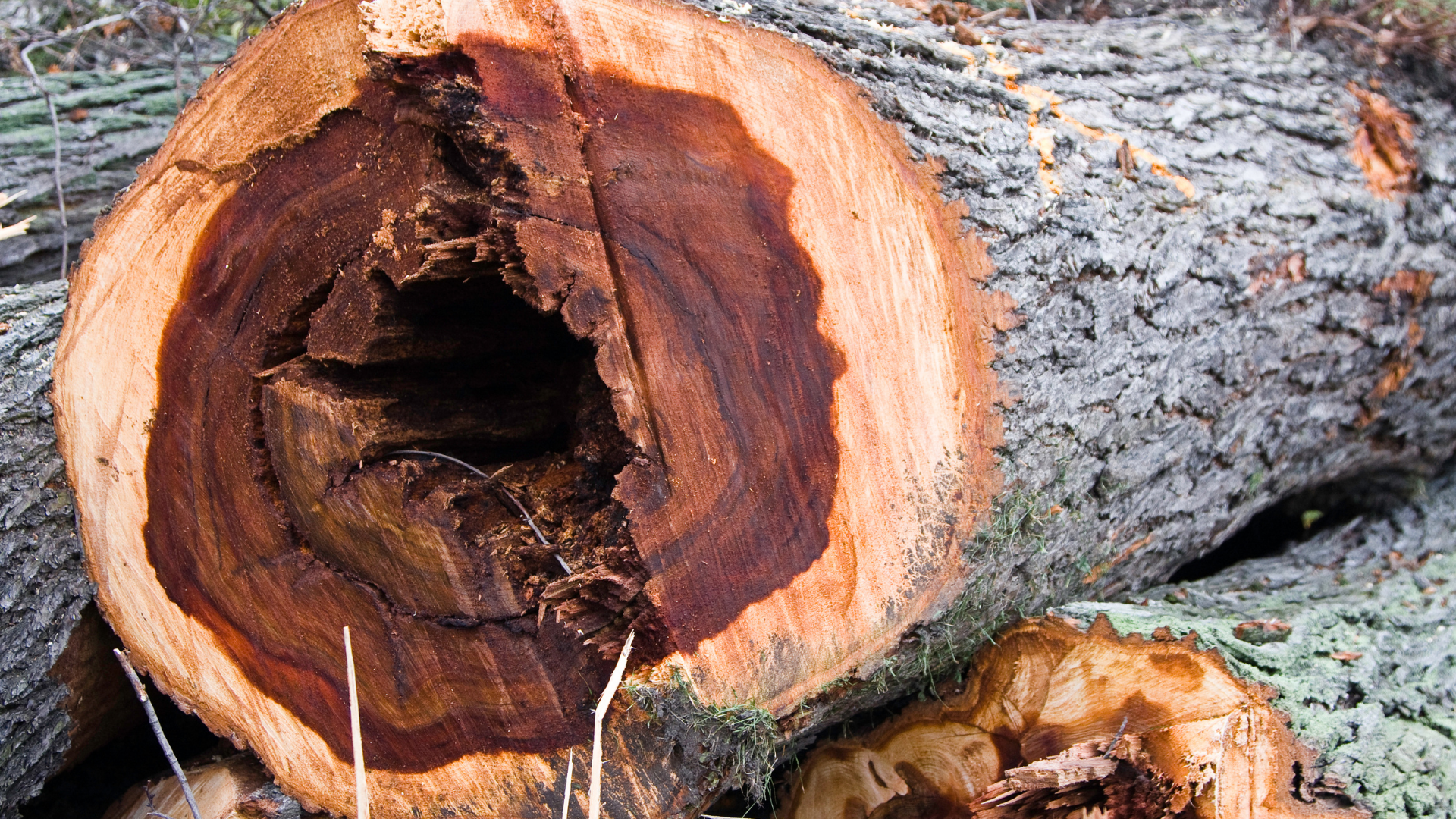
- Dead or decaying trees:
Often more dangerous due to brittle wood and unstable trunks, requiring slower, more controlled removal.
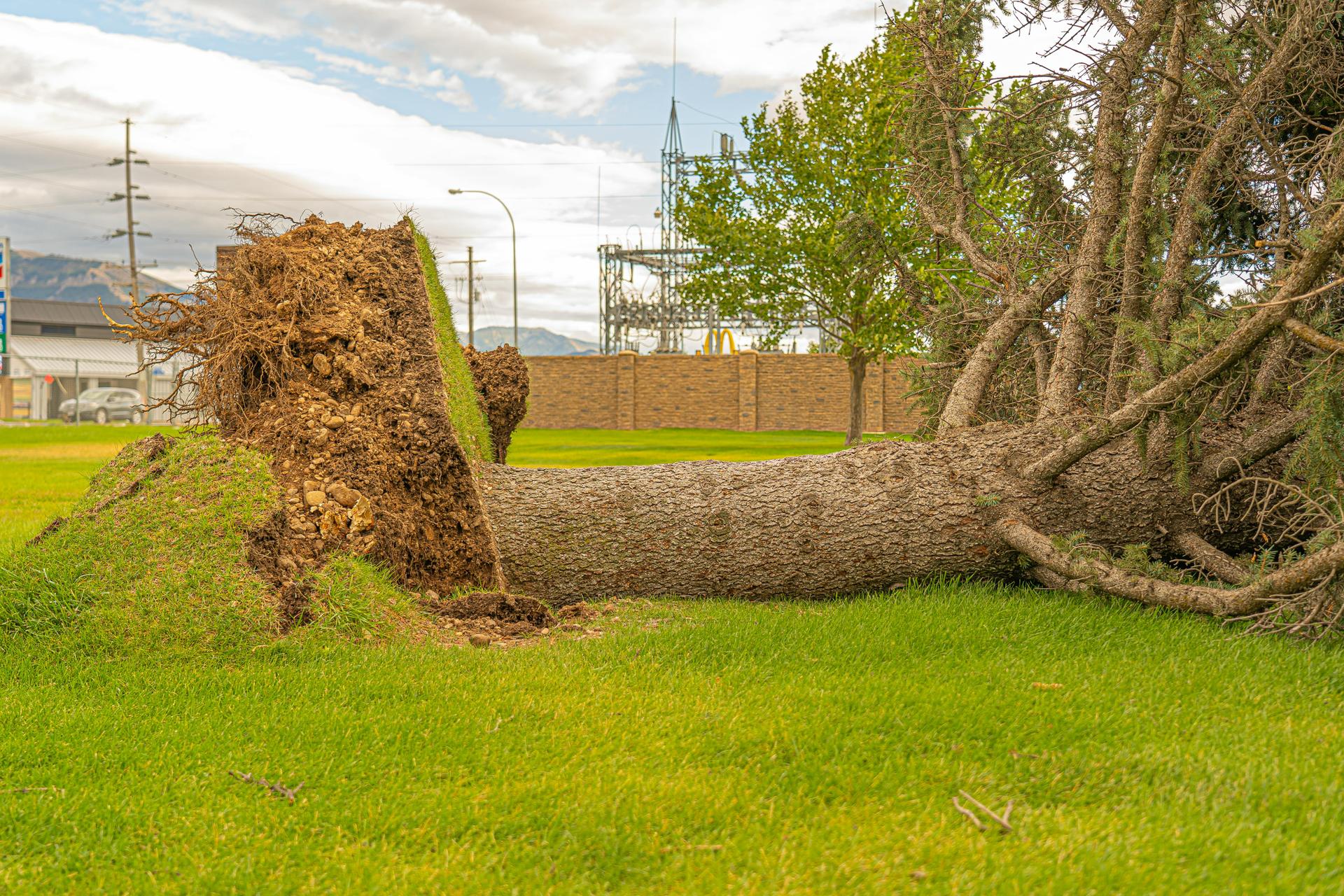
- Storm-damaged trees:
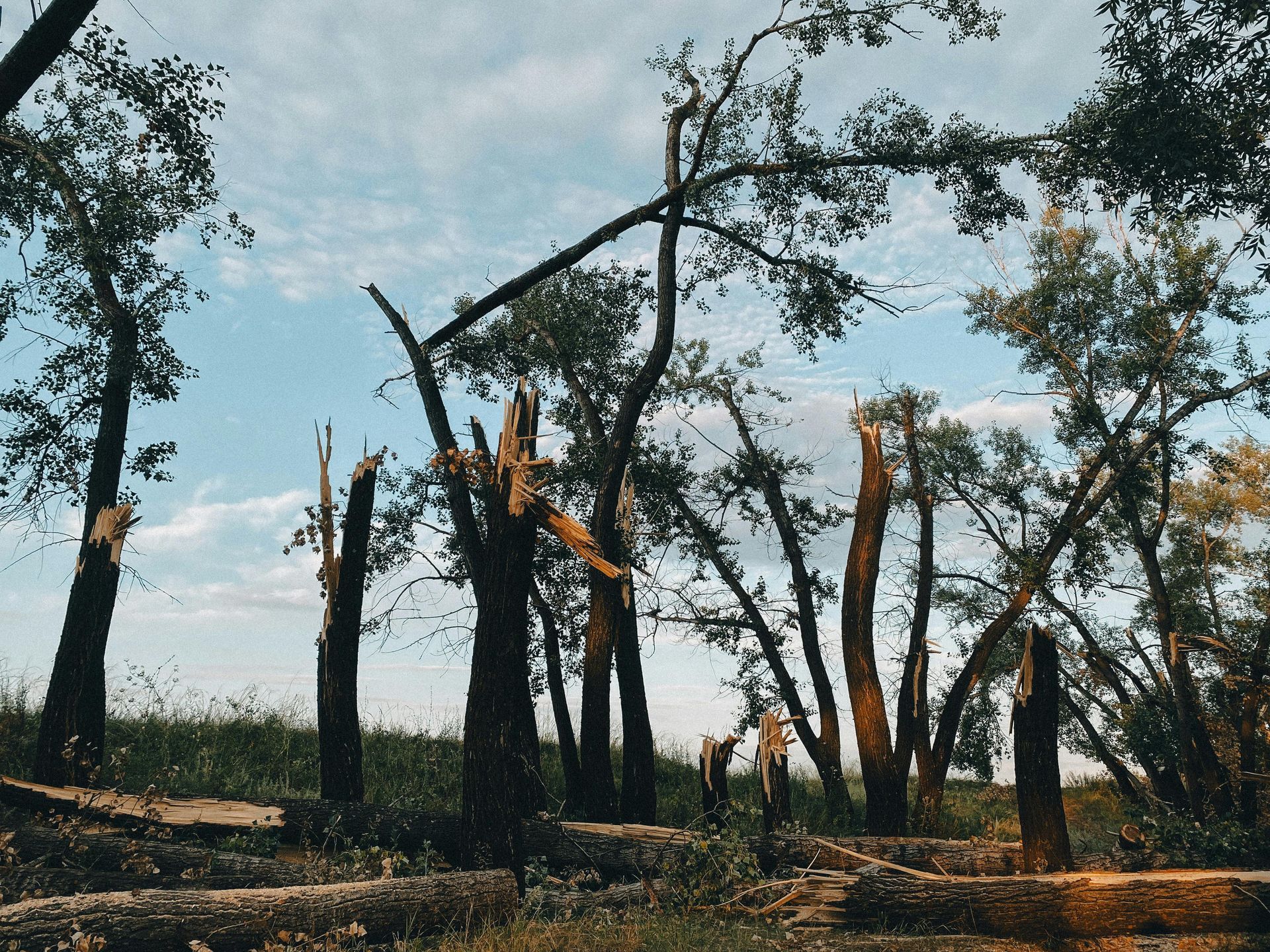
Frequently involve emergency response, unpredictable weight distribution, and added safety risks.
While dead trees may look easier to remove, they often cost more because of the increased hazard.
5. Emergency vs. Scheduled Removal
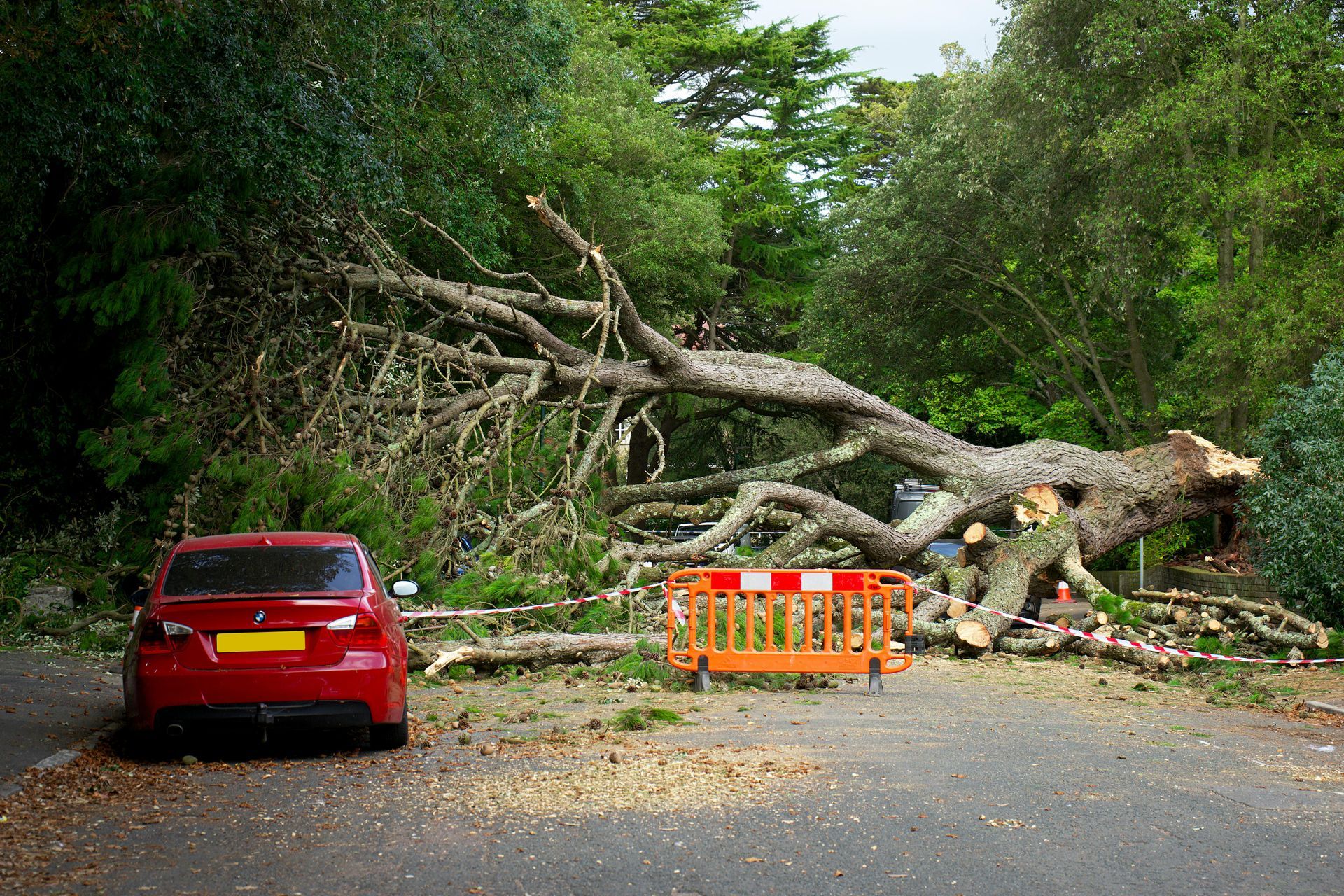
Emergency tree removal—such as after a storm or when a tree is actively threatening a structure—typically costs more due to:
- After-hours labor
- Urgent response requirements
- Increased safety risk
- Priority scheduling
Scheduled removals allow for better planning and often lower pricing.
6. Additional Services and Add-Ons
Tree removal may not be the only service required. Common add-ons include:
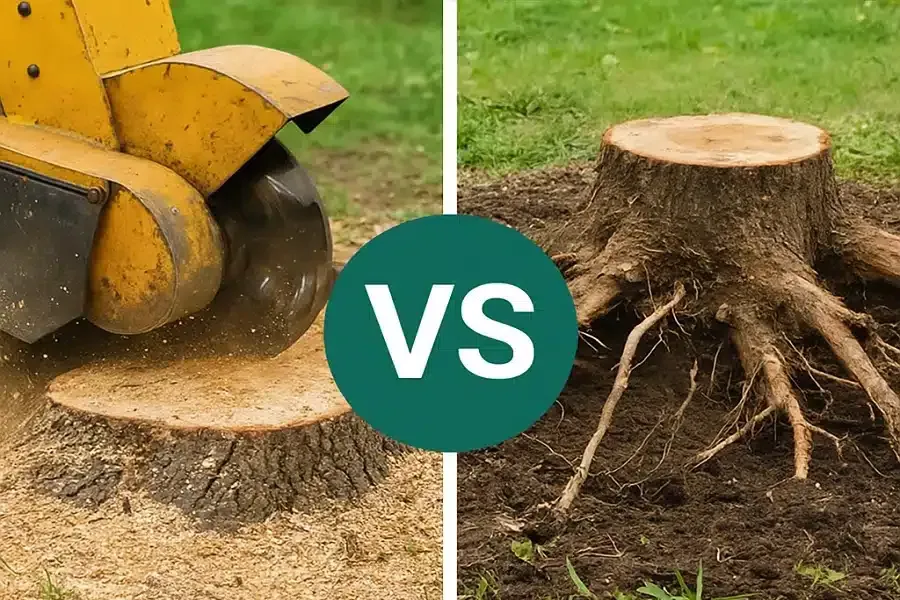
- Stump grinding: $100 – $400
Depends on stump size and depth.
- Debris hauling: $50 – $200
Often included, but large volumes may increase cost.
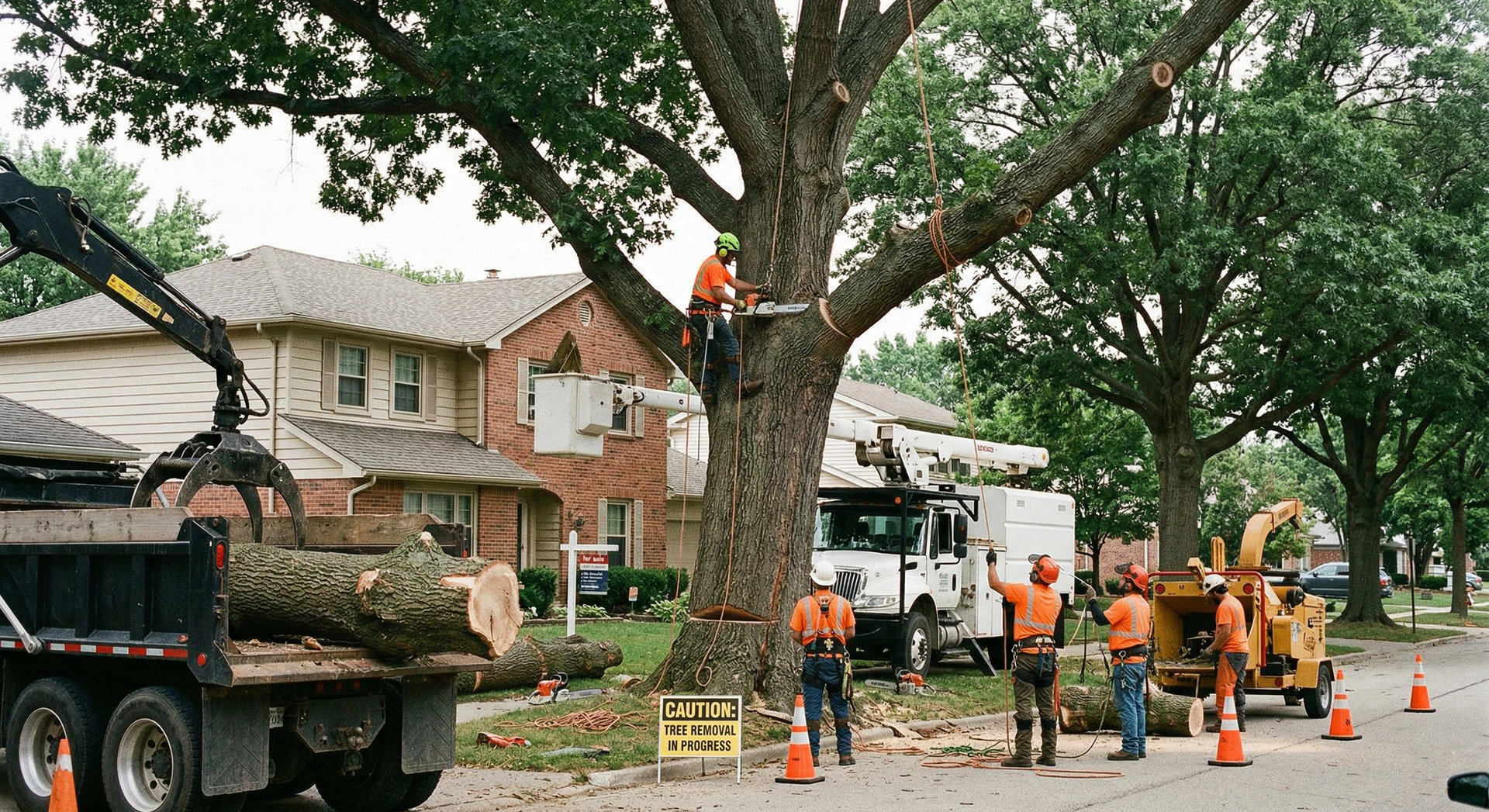
- Crane use: $300 – $800+
Required when trees cannot be safely dropped or sectioned manually.
- Permit handling:
Especially common in New Jersey, where municipalities may require formal approval.
How Local Regulations Affect Cost
In New Jersey especially, tree removal may require a permit depending on:
- Trunk diameter
- Tree species
- Proximity to public roads or sidewalks
- Historic or conservation zoning
Failure to obtain permits can result in fines or forced replanting. Working with a professional service that understands local regulations can prevent costly mistakes.
How to Save on Tree Removal Costs
While tree removal should never be approached as a budget-only decision, there are smart ways to manage cost.
Bundle Services
Combining removal with trimming, stump grinding, or seasonal clean-up can reduce overall pricing.
Schedule During the Off-Season
Late fall and winter often have lower demand, which can result in better availability and pricing.
Get a Professional Assessment
Some trees don’t need full removal. Strategic pruning or limb reduction may solve the problem at a much lower cost.
Act Early
Waiting until a tree becomes hazardous or storm-damaged often turns a standard job into an emergency, which is more expensive.
Insurance and Tree Removal Costs
Is tree removal covered by insurance?
Insurance typically covers tree removal
only if the tree damages a covered structure, such as:
- Your home
- Garage or shed
- Fence
- Vehicle
Removal of a fallen tree that did not cause damage is often not covered. Documentation is critical, and professional services can help provide photos and reports for claims.
How Long Does Tree Removal Take?
Most residential tree removals are completed in:
- 2–6 hours for small to medium trees
- One full day for large or complex jobs
Emergency removals may take longer depending on weather, safety conditions, and coordination with utility companies.
FAQs About Tree Removal Costs
Do estimates include cleanup?
Most professional services include standard cleanup and hauling. Always confirm what is included in your quote.
Do you need to be home during removal?
In most cases, no—as long as access is provided. However, being available for questions is helpful.
Can a tree be removed the same day?
Yes. Same-day or next-day service is often available, especially for hazardous or storm-damaged trees.
Working With a Professional Tree Removal Company
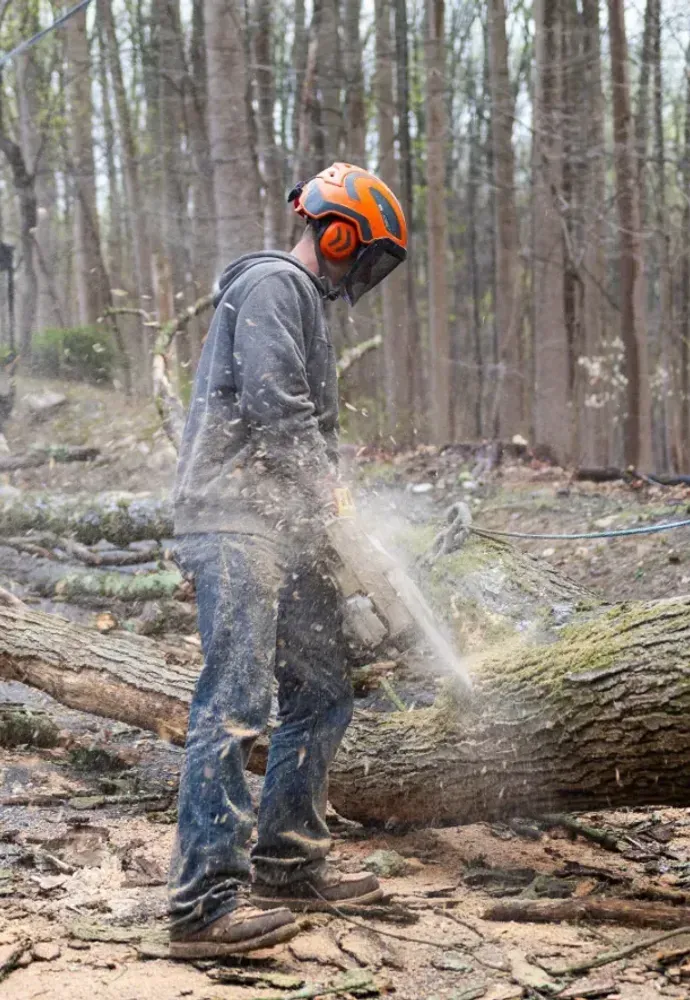
Tree removal is not just about cutting wood—it’s about managing risk, protecting property, and complying with local laws. Licensed and insured professionals provide:
- Proper safety protocols
- Specialized equipment
- Experienced crews
- Liability protection
- Reliable cleanup
Tree State Property Maintenance serves homeowners across Pennsylvania, New Jersey, and Delaware with transparent pricing, professional assessments, and 24/7 emergency support when needed.
Getting an Accurate Quote
Every property is different. The most accurate way to determine cost is with an on-site evaluation that considers:
- Tree size and species
- Location and access
- Condition and risk level
- Permit requirements
- Desired add-on services
For homeowners looking to remove a tree safely and legally, Tree State Property Maintenance provides free estimates and clear explanations—so there are no surprises.
To request a quote or schedule an evaluation, contact Tree State Property Maintenance at 610-338-5008 or visit:
https://www.treestatepm.com/contact