When Is Tree Removal an Emergency?

February 20, 2026

when tree damage requires emergency removal and when it can wait

Person wearing gloves sawing a tree branch with a hand saw outdoors.

Not every damaged or unhealthy tree requires immediate removal—but some situations demand urgent action. Knowing the difference between a routine tree service need and a true tree emergency can help you protect your home, avoid injuries, and reduce long-term costs.

In Pennsylvania, New Jersey, and Delaware, tree emergencies are especially common due to strong storms, heavy snow, saturated soil, and mature tree canopies near homes and roadways. Trees that appear stable one day can become dangerous the next, particularly after severe weather.

This guide explains what qualifies as an emergency, when you should seek immediate professional help, and why waiting can make a bad situation significantly worse.

What Makes Tree Removal an Emergency?

Tree removal becomes an emergency when there is an immediate risk to:

  • People or pets

  • Homes or structures

  • Vehicles

  • Roads, driveways, or sidewalks

  • Utility lines

Emergency situations typically involve instability, sudden damage, or conditions where a tree or limb could fall at any moment.

If delaying service increases the likelihood of injury or property damage, the situation should be treated as an emergency.

Common Emergency Tree Removal Scenarios


1. A Tree Has Fallen on a Home or Building

A tree resting on a house, garage, or shed is always an emergency—even if the structure appears intact. The weight of the tree can:

  • Compromise roof supports

  • Crack framing or walls

  • Create entry points for water

  • Lead to progressive collapse

In these cases, the tree must be removed carefully to avoid worsening structural damage.

2. Large Limbs Are Hanging Overhead

Broken or partially attached limbs—often called “hangers”—are extremely dangerous. These limbs can fall without warning due to gravity, wind, or vibration.

Hanging limbs are especially hazardous when located:

  • Over driveways

  • Above walkways

  • Near play areas

  • Over roofs or vehicles

These situations require immediate professional attention.

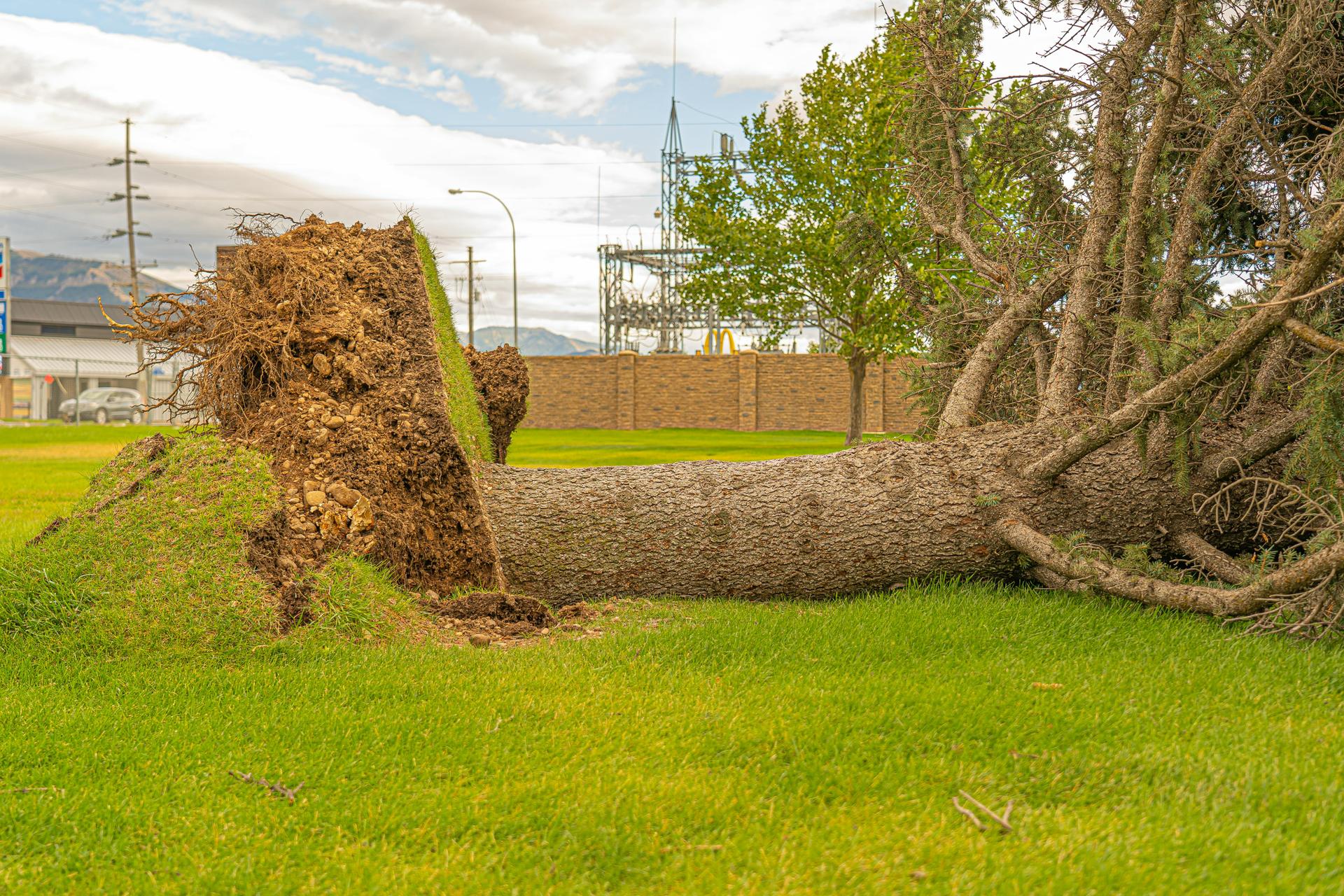
3. A Tree Is Uprooted or Suddenly Leaning

Trees that lean slightly over time may be stable, but a sudden lean, especially after a storm, usually indicates root failure.

Warning signs include:

  • Soil lifting around the base

  • Exposed roots

  • Cracks in the ground

  • A noticeable change in angle

Uprooted trees can fall even in calm conditions and should be addressed urgently.

4. Trees or Limbs Are in Contact With Power Lines

This is one of the most dangerous tree emergencies. A tree touching or entangled with power lines poses a serious risk of:

  • Electrocution

  • Fire

  • Power outages

  • Widespread property damage

Never approach a tree near power lines. Emergency services or the utility company must be notified first. Professional tree crews coordinate with utilities before removal.

5. Trees Blocking Driveways, Roads, or Access Points

Trees that block access can prevent:

  • Emergency responders from reaching your property

  • Residents from evacuating

  • Vehicles from entering or exiting

Blocked access is considered an emergency, especially during storms, medical situations, or power outages.

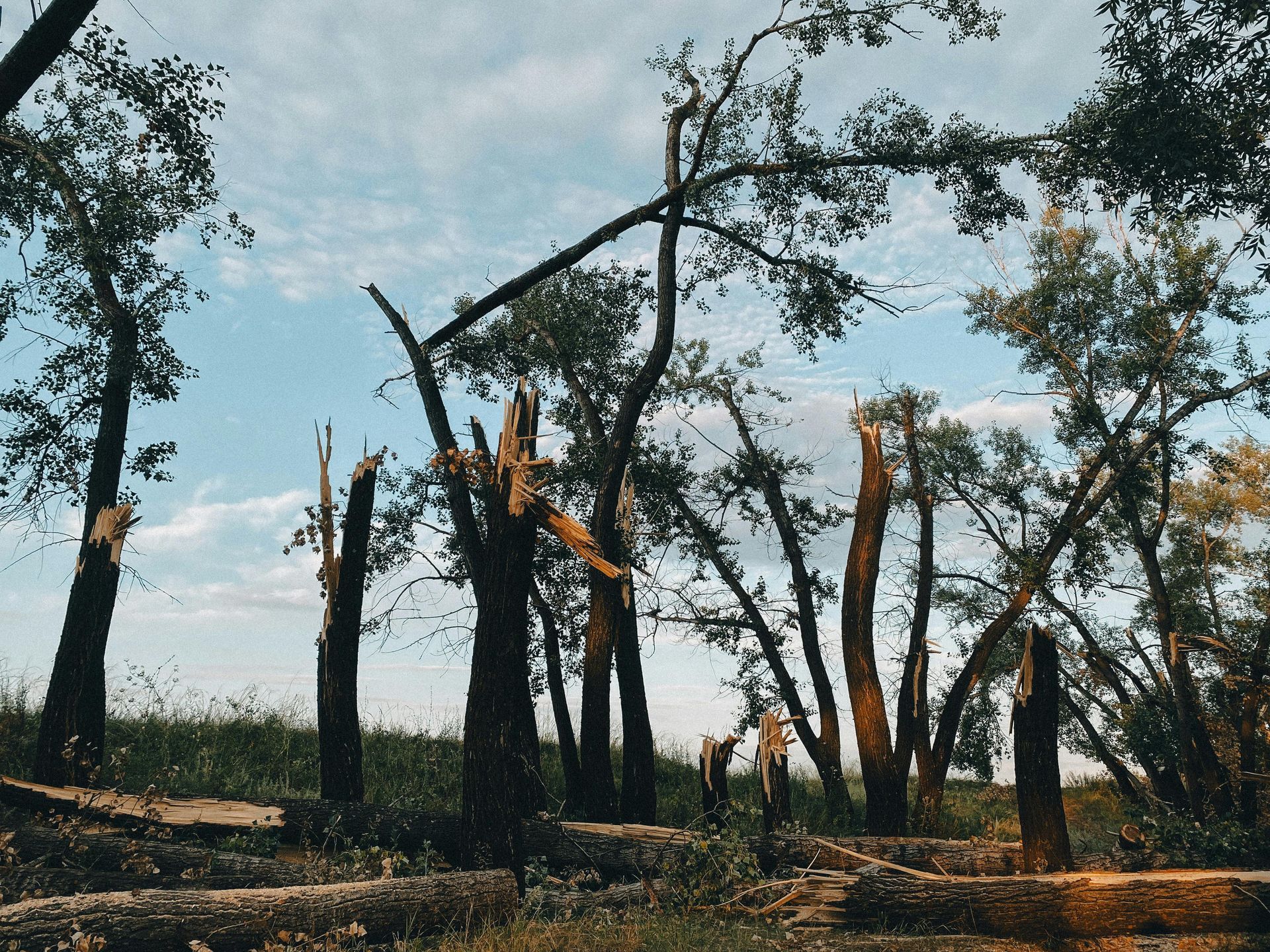
6. Storm-Damaged Trees With Structural Failure

Storms can cause internal damage that isn’t immediately visible. Trees with cracked trunks, split branches, or twisted canopies may fail hours or days after the storm has passed.

Delayed failures are common and dangerous, making post-storm inspections critical.

Situations That May Not Be Immediate Emergencies

Not all tree problems require urgent response. These situations may be scheduled rather than treated as emergencies:

  • Minor deadwood high in the canopy

  • Trees with slow, gradual decline

  • Cosmetic damage without structural risk

  • Trees far from structures or walkways

However, even non-emergency issues can become emergencies if left unaddressed.

Why Waiting Can Make Tree Emergencies Worse

Delaying emergency tree removal can lead to:

  • Increased structural damage

  • Secondary limb failures

  • Higher removal costs

  • More complex insurance claims

  • Greater safety risks

For example, a cracked limb that could be safely removed today may fall during the next wind gust—damaging property or injuring someone.

Emergency removal is often more expensive than scheduled service, but waiting too long frequently makes the situation far more costly.

What Emergency Tree Service Typically Includes

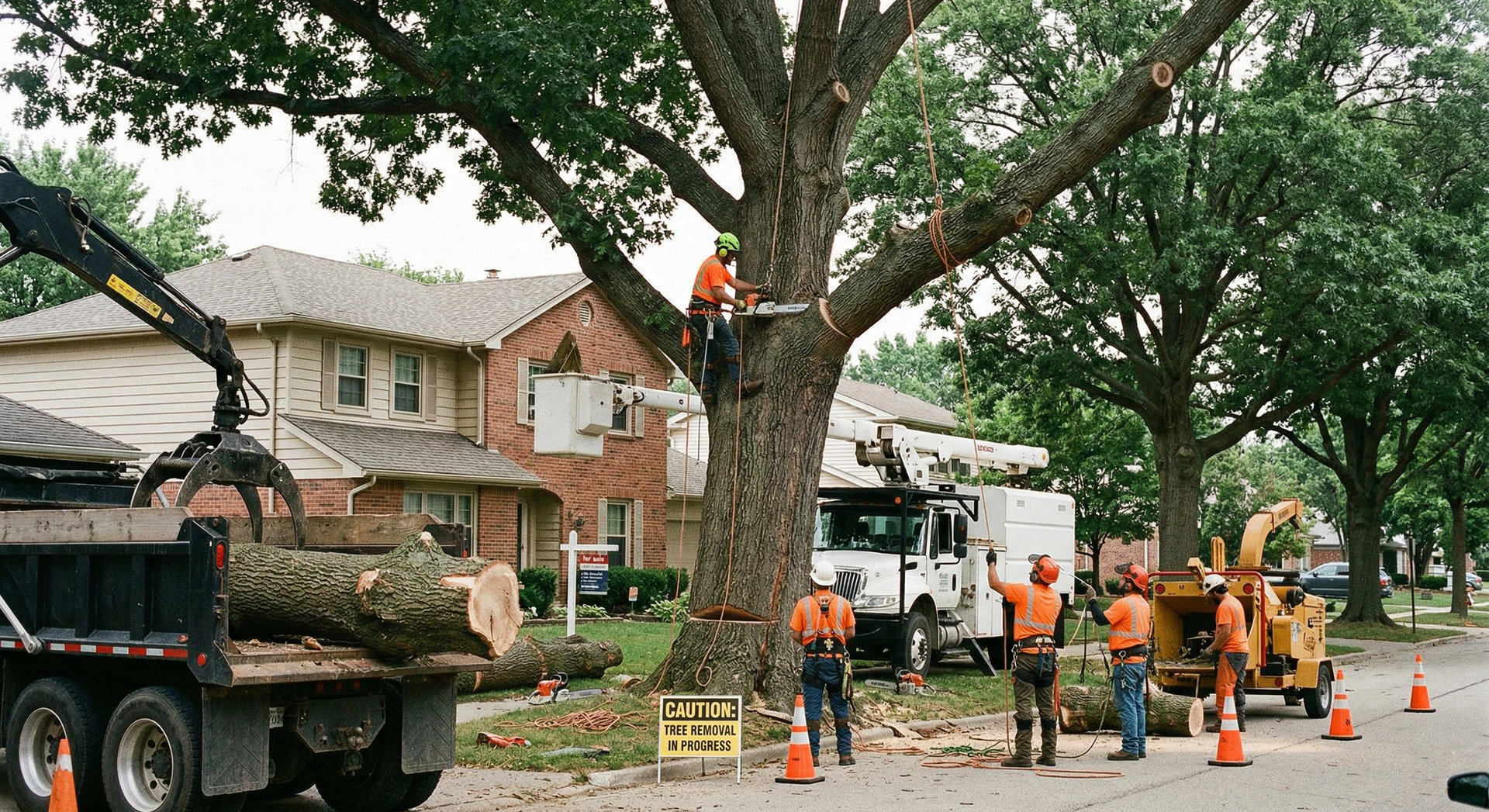
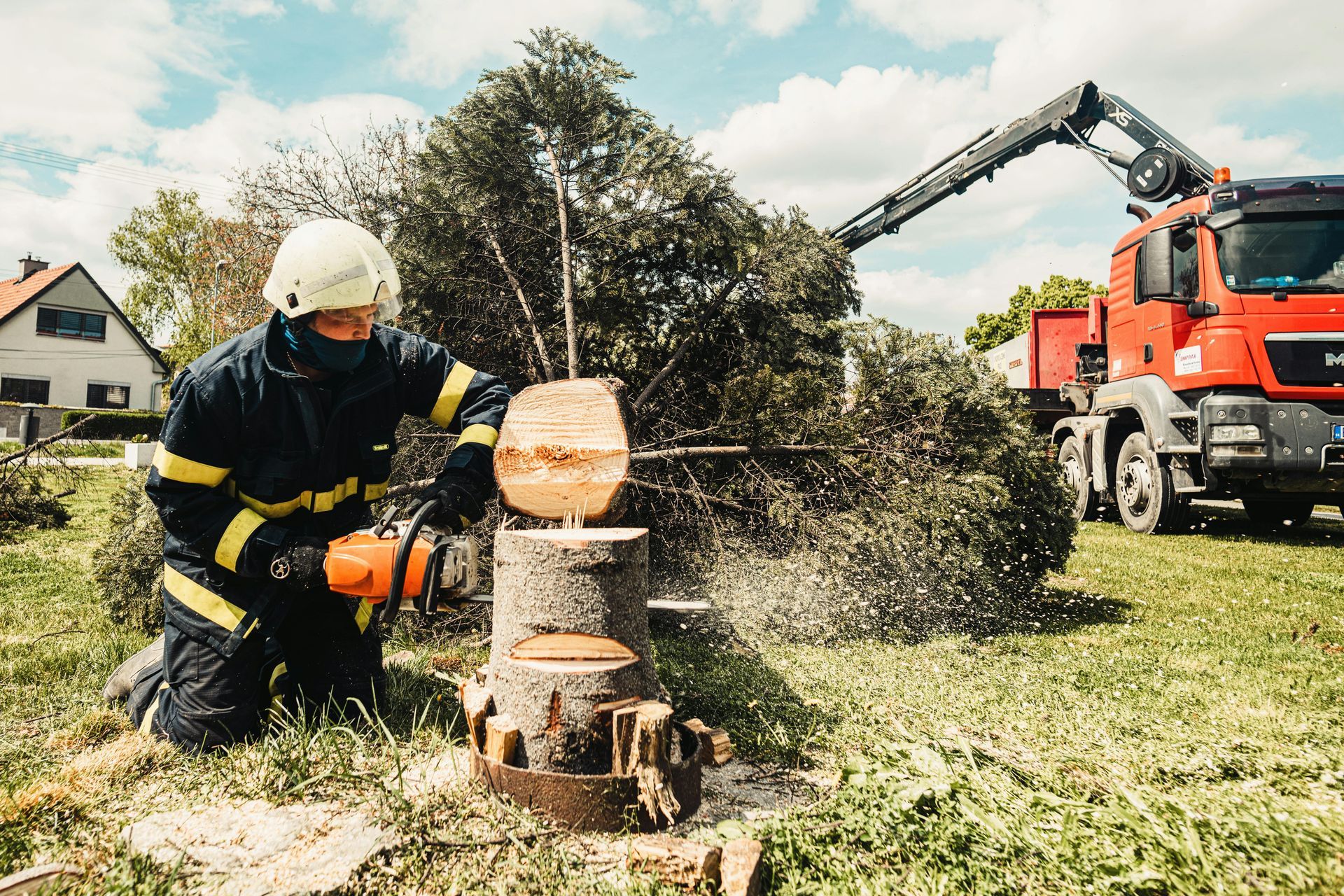
Professional emergency tree service is designed to stabilize dangerous situations quickly and safely.

Services often include:

Rapid Response

Emergency crews are dispatched quickly, often within hours, depending on severity and location.

Hazard Assessment

Professionals assess risks, identify unstable components, and plan safe removal strategies.

Site Stabilization

This may include removing hanging limbs, securing leaning trees, or clearing access paths.

Controlled Removal

Trees and limbs are removed using specialized equipment such as rigging systems, cranes, and controlled cutting techniques.

Debris Cleanup

Branches, logs, and debris are cleared to restore safe access and reduce further hazards.

Documentation

Photos and reports may be provided to support insurance claims.

Emergency Tree Removal vs Scheduled Removal

Emergency Removal Scheduled Removal
Immediate risk No immediate danger
Requires rapid response Can wait days or weeks
Often storm-related Routine maintenance
Higher cost Lower cost
Priority service Standard scheduling

Understanding this distinction helps homeowners make informed decisions during stressful situations.

Seasonal Tree Emergencies in the Northeast

Winter

  • Ice accumulation

  • Heavy snow loading

  • Frozen ground causes uprooting

Spring

  • Saturated soil

  • High winds

  • Early leaf-out failures

Summer

  • Thunderstorms

  • Microbursts

  • Lightning strikes

Fall

  • Hurricanes

  • Nor’easters

  • Leaf-heavy canopies catching wind

Each season presents unique risks that can turn a healthy tree into an emergency hazard.

Insurance and Emergency Tree Removal

Homeowner’s insurance often covers emergency tree removal if the tree damages a covered structure, such as a home, garage, or fence.

Insurance typically does not cover:

  • Preventive removal

  • Trees that fall without causing damage

Professional documentation is critical for claims, and experienced tree services can help provide necessary records.

When to Call a Professional Immediately

You should seek emergency tree service if:

  • A tree or limb could fall at any moment

  • The tree is touching a structure or power line

  • Access to your property is blocked

  • You hear cracking or splitting sounds

  • The tree shifted suddenly after a storm

When in doubt, it’s safer to treat the situation as urgent and have a professional evaluate it.

Professional Emergency Tree Service in the Tri-State Area

Tree State Property Maintenance provides emergency tree removal throughout Pennsylvania, New Jersey, and Delaware. Our crews are trained to handle high-risk situations safely, using professional equipment and proven techniques.

We assist homeowners with:

  • Storm damage response

  • Hazardous tree stabilization

  • Controlled removals

  • Full debris cleanup

  • Insurance documentation

Frequently Asked Questions

How fast can emergency crews respond?

Response times depend on severity and conditions, but many emergencies are handled the same day.


Is emergency tree removal more expensive?

Yes, due to urgency, labor demands, and increased risk.


Can emergency work be done at night or in bad weather?

Safety is always the priority. Crews may stabilize hazards first and complete removal when conditions allow.

Understanding the Risk Can Prevent an Emergency

Many tree emergencies are preventable with regular inspections, pruning, and early removal of compromised trees. If you suspect a tree on your property may become hazardous, addressing it before it fails is often safer and less expensive.

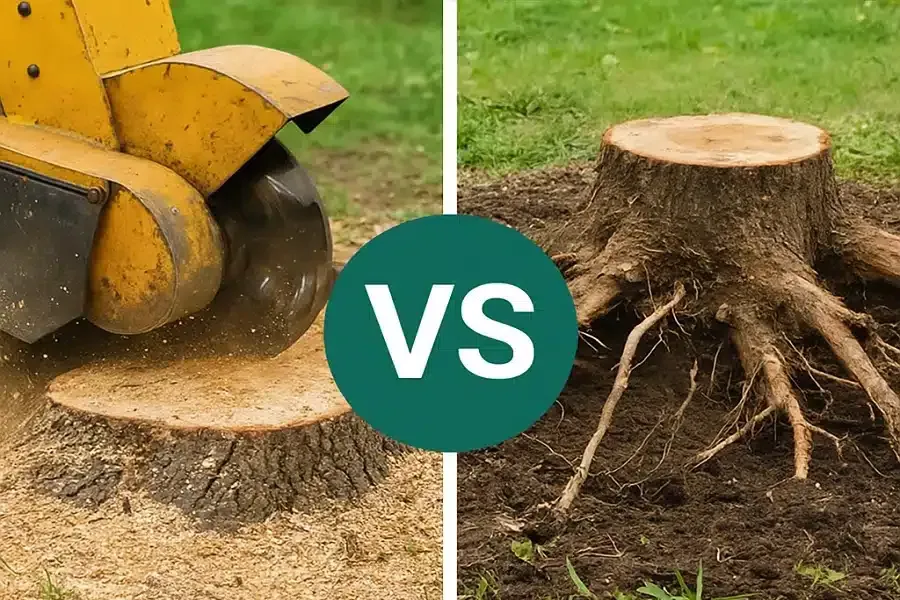
A stump grinder grinding a tree stump vs a tree stump with exposed roots in a grassy area.
February 4, 2026
Learn the difference between tree removal and stump grinding, when each service is needed, and how to choose the right option for your property.
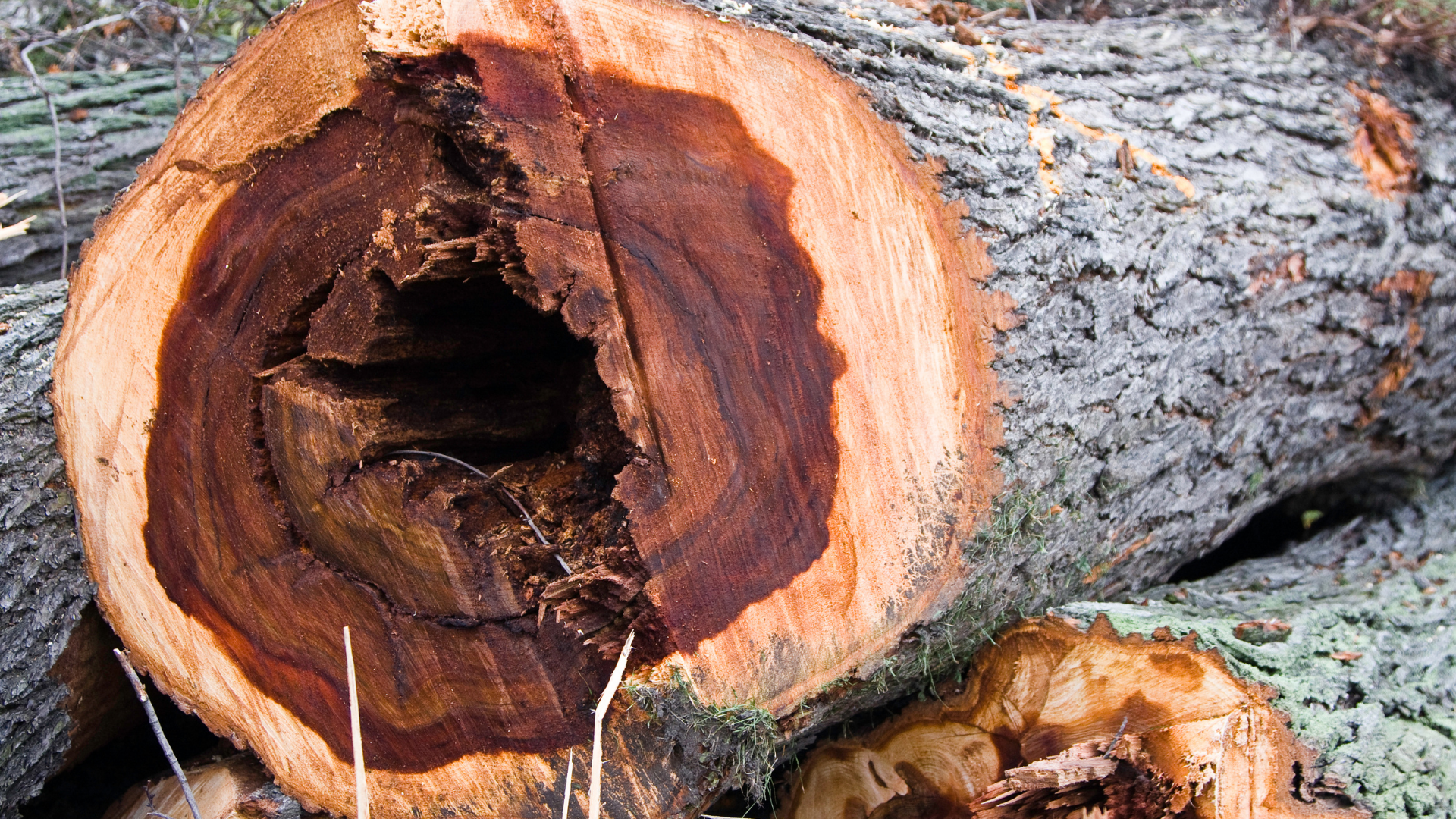
Cross-section of a tree trunk with a large, hollowed-out center. The wood is brown and tan.
January 20, 2026
Learn the warning signs of a dead or dying tree and when removal is necessary. Serving PA, NJ, and DE.
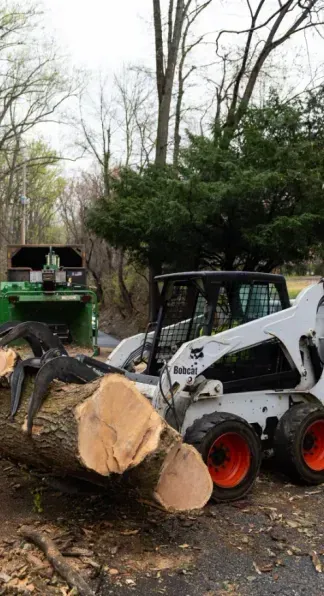
White Bobcat skid steer holding a large tree trunk, with a wood chipper in the background on a residential street.
December 26, 2025
How much does tree removal cost in Pennsylvania, New Jersey, and Delaware? Get 2025 pricing estimates and expert tips from Tree State PM.
Man wearing safety gear cutting a log with a chainsaw in a forest.
December 10, 2025
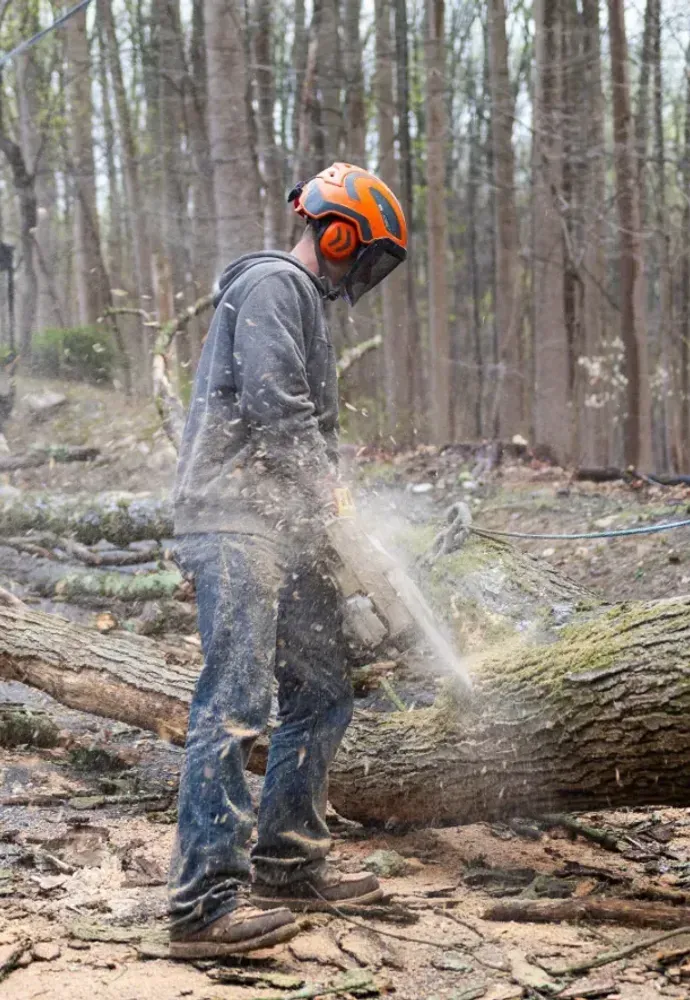
Tree down? Get emergency tree service 24/7 from Tree State PM. Serving PA, NJ, DE with fast, safe removal and storm response.
A green wood chipper next to a large tree, being used for tree removal. Cloudy sky and a building in the background.
November 25, 2025
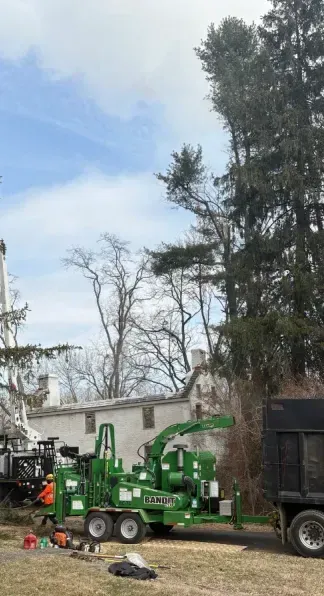
Protect your trees and home this winter with expert tree care tips. Tree State PM offers storm prep and winter maintenance services.
Person pruning a tree with long-handled shears; trees in the background.
November 12, 2025
Find out how often to prune trees in PA, NJ, and DE. Expert pruning advice from Tree State PM for healthy growth and safety.
Hand with glove using saw to cut through tree branch.
October 28, 2025
DIY tree removal is risky and costly. Learn why Pennsylvania homeowners should trust licensed pros. Free estimates from Tree State PM.
Spring Yard Clean-Up in Delaware | Seasonal Checklist
October 13, 2025
Get your Delaware yard ready for spring. Use our clean-up checklist or book professional service with Tree State PM. Free estimates available.
5 Benefits of Stump Grinding | Tree State PM
September 26, 2025
Discover why stump grinding is essential for a safer, cleaner lawn. Tree State PM offers stump grinding across PA, NJ, and DE. Free estimates.
Tree Removal Laws in New Jersey | Permit Guide 2025
September 11, 2025
Find out if you need a permit to remove a tree in NJ. Learn local tree removal laws and avoid fines. Tree State PM helps you stay compliant.
Show More