How Storm Damage Affects Tree Stability

March 24, 2026
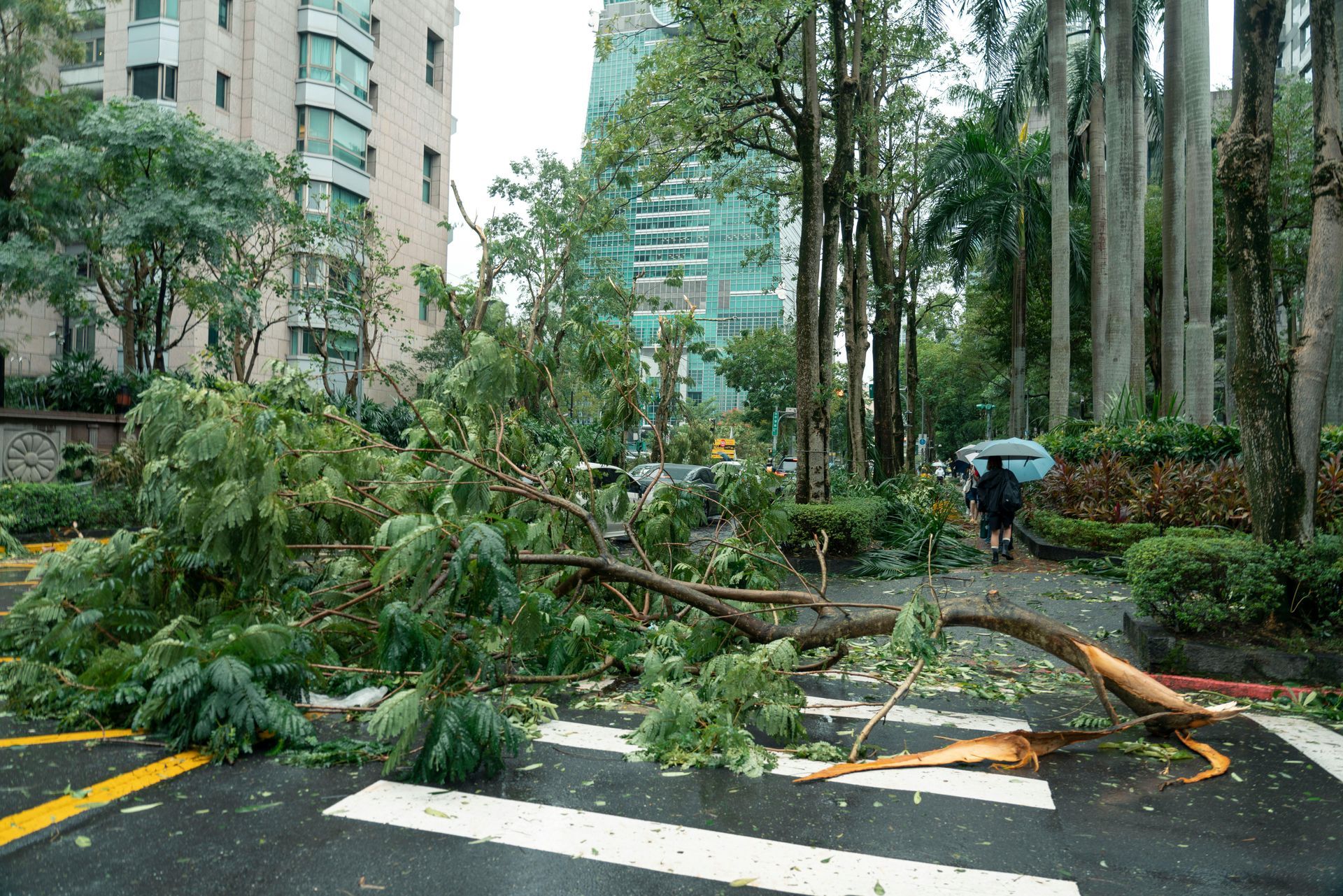
A fallen tree blocks a street intersection with a crosswalk, with tall buildings and lush greenery in the background.

Severe storms are one of the leading causes of sudden tree failure in the Northeast. High winds, heavy rain, snow, ice, and lightning can all compromise a tree’s structure—sometimes in ways that aren’t immediately visible. While a tree may appear upright and intact after a storm passes, internal damage can leave it dangerously unstable and prone to failure days, weeks, or even months later.

In Pennsylvania, New Jersey, and Delaware, storms are frequent and often intense. Understanding how storm damage affects tree stability helps homeowners recognize warning signs early and take action before a weakened tree causes property damage or personal injury.

This guide explains the different types of storm damage, how they affect a tree’s structural integrity, and why professional post-storm inspections are critical for safety.

Why Storm Damage Is Especially Dangerous for Trees

Trees rely on a balance of roots, trunk strength, branch structure, and canopy weight to remain stable. Storms disrupt this balance by applying sudden force from directions trees aren’t designed to handle.

Unlike gradual environmental stress, storm damage is often:

  • Sudden

  • Uneven

  • Internal

  • Progressive

A tree that survives the initial storm may continue to deteriorate afterward, especially as moisture, decay, and additional weather events compound the damage.

Common Types of Storm Damage to Trees

1. Wind Damage


High winds are the most common cause of storm-related tree failure. Wind places stress on every part of a tree simultaneously.

Wind damage can cause:

  • Twisting of the trunk

  • Cracks in major limbs

  • Splits at branch junctions

  • Root plate movement below ground

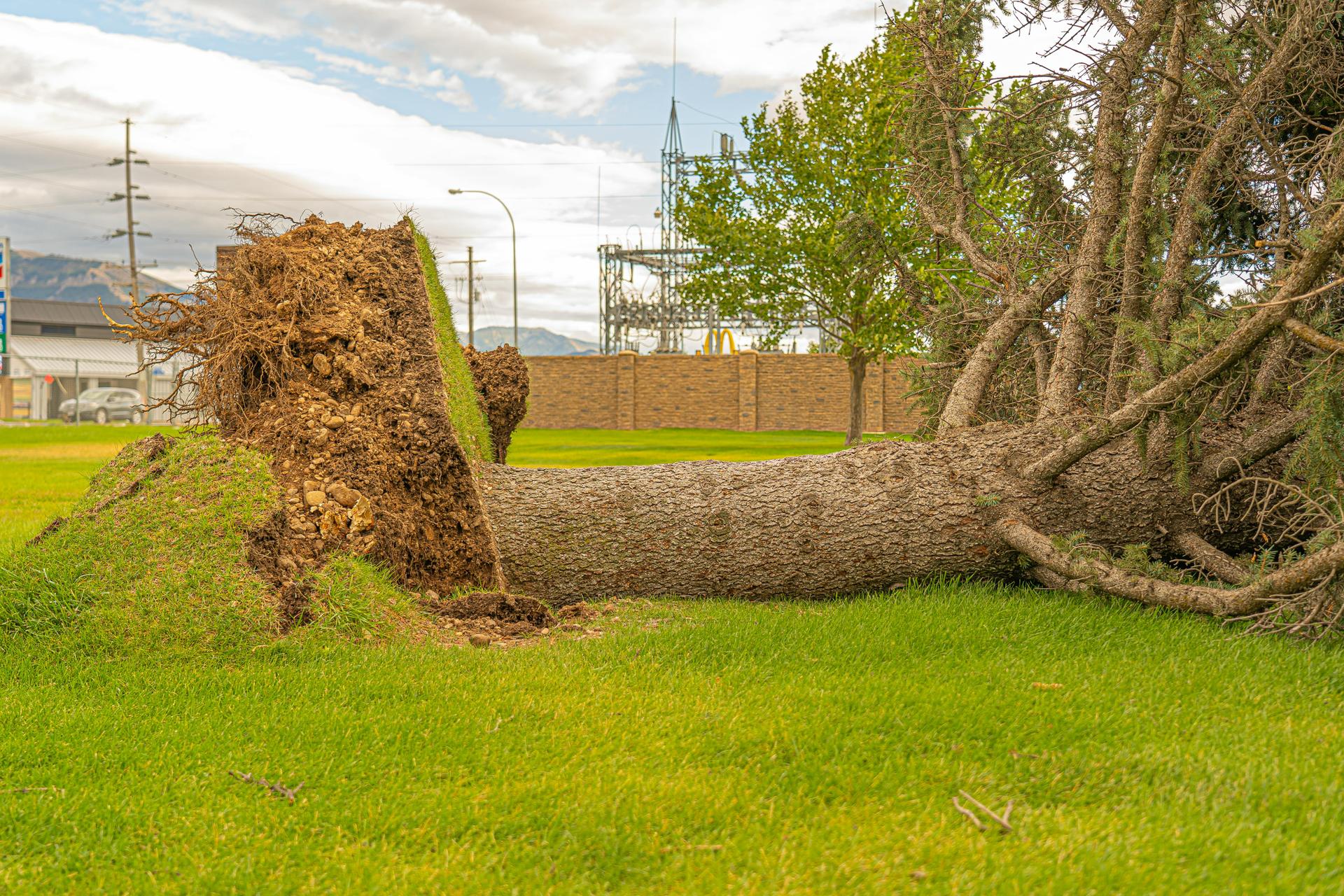
Trees that lean or sway excessively during storms may have already lost root anchoring, even if they return upright afterward.


2. Root Damage From Saturated Soil


Heavy rainfall saturates soil, reducing its ability to hold roots firmly in place. In saturated conditions:

  • Roots lose grip

  • Soil becomes unstable

  • Trees can uproot more easily

This is why trees often fall during or after prolonged rain—even with moderate wind.


Signs of root damage include:

  • Soil lifting or cracking around the base

  • Newly leaning trees

  • Exposed roots

Root damage is particularly dangerous because it compromises the entire tree’s stability.


3. Ice and Snow Accumulation


Ice storms and heavy snow add enormous weight to branches and canopies. This extra load often leads to:

  • Limb breakage

  • Split trunks

  • Permanent canopy imbalance

Evergreens are especially vulnerable because they retain needles year-round, allowing snow and ice to accumulate more easily.

Damage from ice is often cumulative, weakening limbs that may fail later during a wind event.


4. Lightning Strikes


Lightning can severely damage trees, even if the strike isn’t obvious. Electrical current travels through the tree’s vascular system, often causing:

  • Internal tissue damage

  • Bark blow-out

  • Root death

  • Delayed decline

Trees struck by lightning may survive initially but deteriorate rapidly over the following months.


5. Broken or Hanging Limbs


Storms frequently leave behind partially broken branches that remain suspended in the canopy. These “hangers” are extremely dangerous because:

  • They can fall without warning

  • They are often heavy

  • They may drop during calm weather

Hanging limbs should always be addressed promptly by professionals.

Hidden Damage: Why Trees Fail After the Storm

One of the most dangerous aspects of storm damage is that much of it is not immediately visible. Internal cracks, root fractures, and structural weaknesses may only reveal themselves over time.

Hidden damage can include:

  • Internal trunk fractures

  • Split branch unions

  • Root shearing below soil level

  • Compromised wood fibers

This is why trees often fail days or weeks after a storm, even without additional weather stress.

Delayed Tree Failure: A Common but Overlooked Risk

Many homeowners assume that if a tree doesn’t fall during the storm, it’s safe. Unfortunately, this is not always true.

Delayed failures occur because:

  • Damaged roots slowly lose anchoring

  • Cracks expand with temperature changes

  • Decay sets in where wood was exposed

  • Subsequent minor winds finish the job

Delayed tree failures are especially common in large, mature trees near homes or driveways.

Signs a Tree’s Stability Has Been Compromised

After a storm, homeowners should watch for the following warning signs:

Visible Indicators

  • New lean or increased tilt

  • Cracks in the trunk or major limbs

  • Bark splitting or peeling

  • Broken branch stubs

  • Hanging or partially attached limbs


Ground-Level Indicators

  • Soil mounding near the base

  • Exposed or broken roots

  • Soft or sunken soil around the trunk

Canopy Changes

  • Sudden loss of large limbs

  • Uneven or lopsided canopy

  • Excessive leaf drop out of season

Any of these signs indicate that professional inspection is needed.

Which Trees Are Most Vulnerable to Storm Damage?

Some trees are naturally more prone to storm-related instability.

High-risk factors include:

  • Tall trees with large canopies

  • Trees with shallow root systems

  • Species prone to brittle wood

  • Trees already affected by disease or pests

  • Trees growing in compacted or wet soil

  • Trees located in open or exposed areas

Older trees are also more vulnerable, especially if they have not been regularly pruned or inspected.

Why Post-Storm Tree Inspections Are Critical

A professional post-storm inspection evaluates:

  • Structural integrity of the trunk

  • Root stability

  • Branch attachment strength

  • Overall risk of failure

Tree professionals are trained to identify internal damage that homeowners cannot see. Early detection allows for corrective pruning or planned removal rather than emergency response.

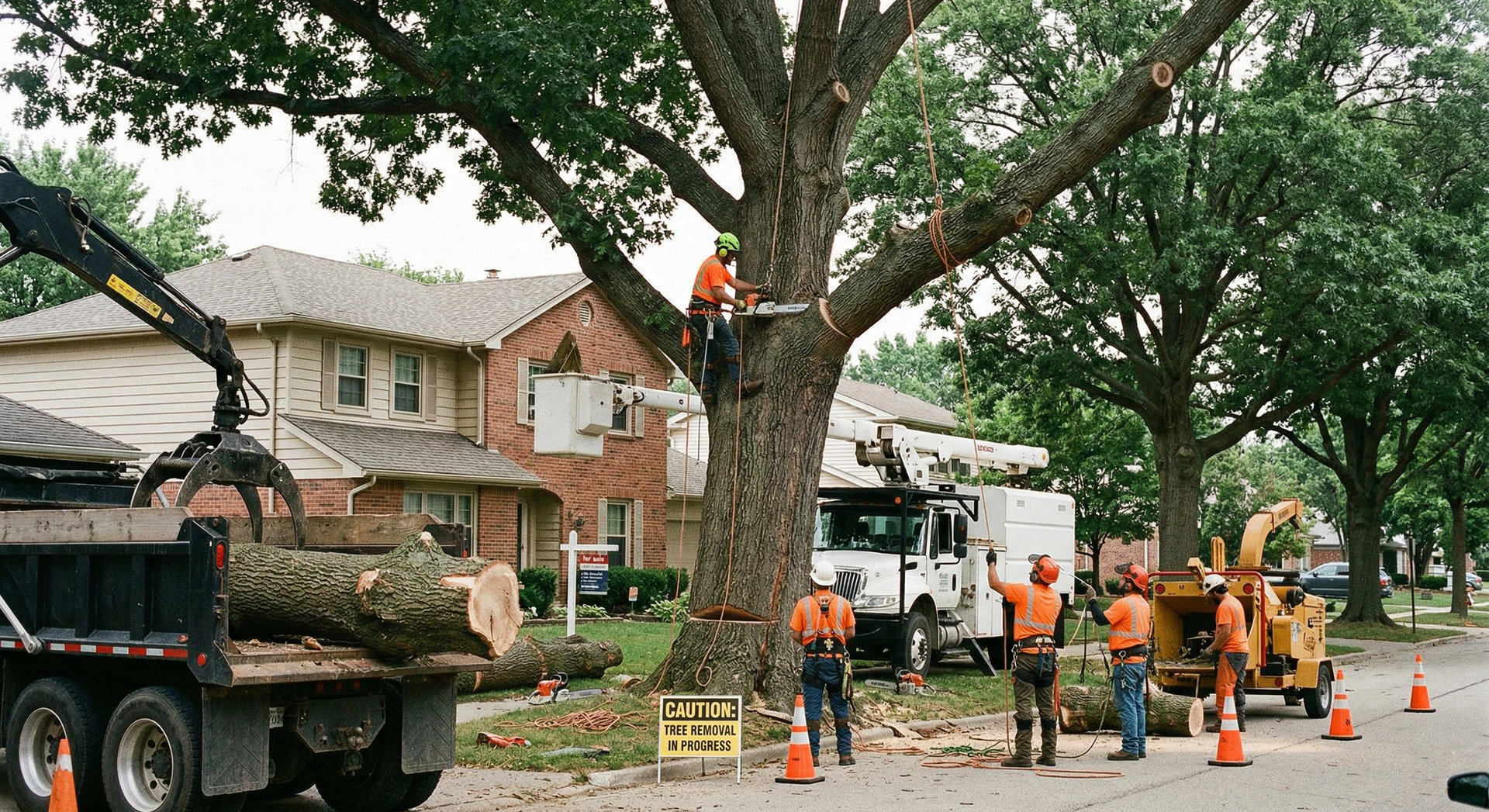
What Professional Storm Damage Tree Service Includes

Storm damage service may involve:

  • Hazard assessments

  • Removal of hanging limbs

  • Structural pruning

  • Stabilization of leaning trees

  • Full tree removal when necessary

  • Debris cleanup

In emergency situations, crews may prioritize stabilizing hazards before completing full removal once conditions are safe.

Insurance Considerations After Storm Damage

Homeowner’s insurance often covers tree removal if:

  • The tree damages a covered structure

  • Access is blocked due to fallen trees

Insurance typically does not cover preventive removal of damaged but standing trees. Documentation is important, and professional tree services can help provide photos and reports for claims.

Preventing Storm-Related Tree Failure

While storms can’t be prevented, damage can often be minimized through:

  • Regular tree inspections

  • Proper pruning to reduce canopy weight

  • Removing dead or weakened limbs

  • Addressing root zone issues

  • Proactive removal of hazardous trees

Preventive care is almost always less expensive than emergency removal.

When to Seek Immediate Help

You should seek professional assistance immediately if:

  • A tree is leaning suddenly

  • Large limbs are hanging

  • Roots are lifting from the ground

  • A tree is near structures or power lines

  • You hear cracking sounds

Even if the tree hasn’t fallen, these conditions pose serious risk.

Frequently Asked Questions

Can a tree fall days after a storm?

Yes. Delayed failure is common due to hidden damage.

Should every tree be inspected after a storm?

Large trees near structures or access points should always be inspected.

Is storm damage always visible?

No. Internal and root damage often cannot be seen without professional evaluation.

Professional Storm Damage Tree Services in the Tri-State Area

Tree State Property Maintenance provides storm damage assessment, stabilization, and removal throughout Pennsylvania, New Jersey, and Delaware. Our crews are trained to evaluate storm-related risks and respond quickly to prevent further damage.

From post-storm inspections to emergency removals, professional care helps protect your property and restore safety after severe weather.

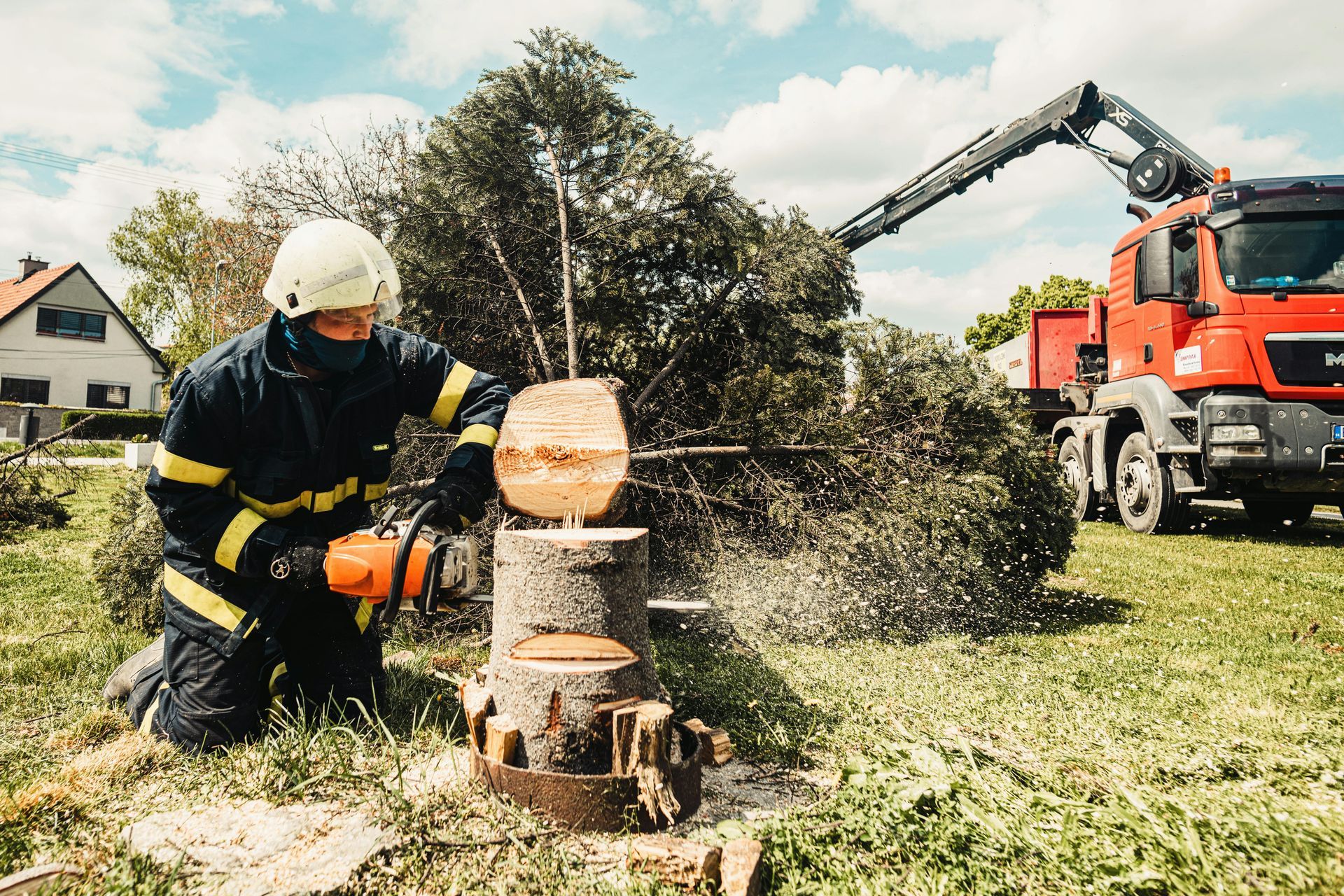
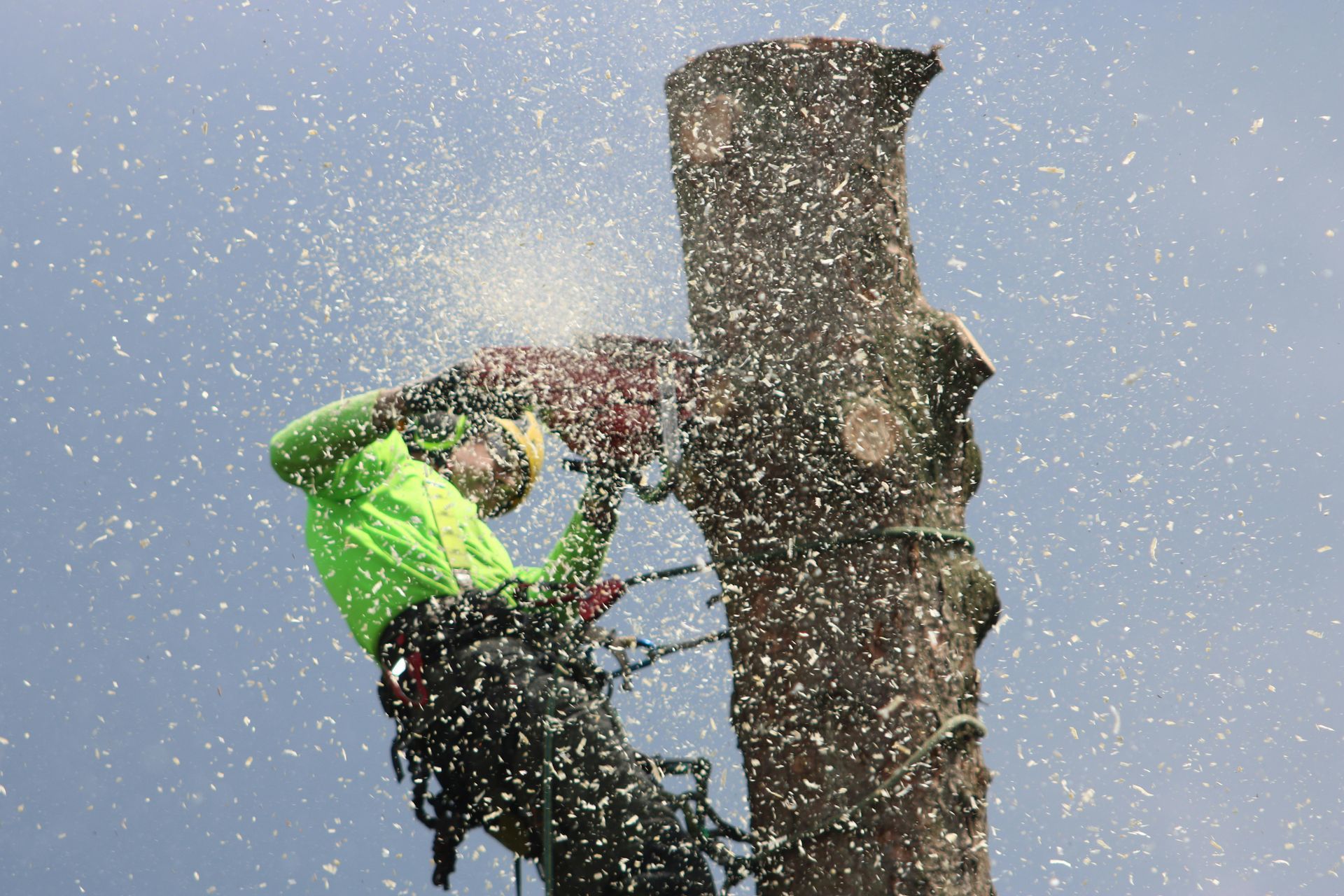
Firefighter using a chainsaw to cut a tree trunk; truck with a crane in the background.
March 9, 2026
Do you need a permit to remove a tree in Pennsylvania? Learn PA tree removal laws, local rules, and how to avoid fines.
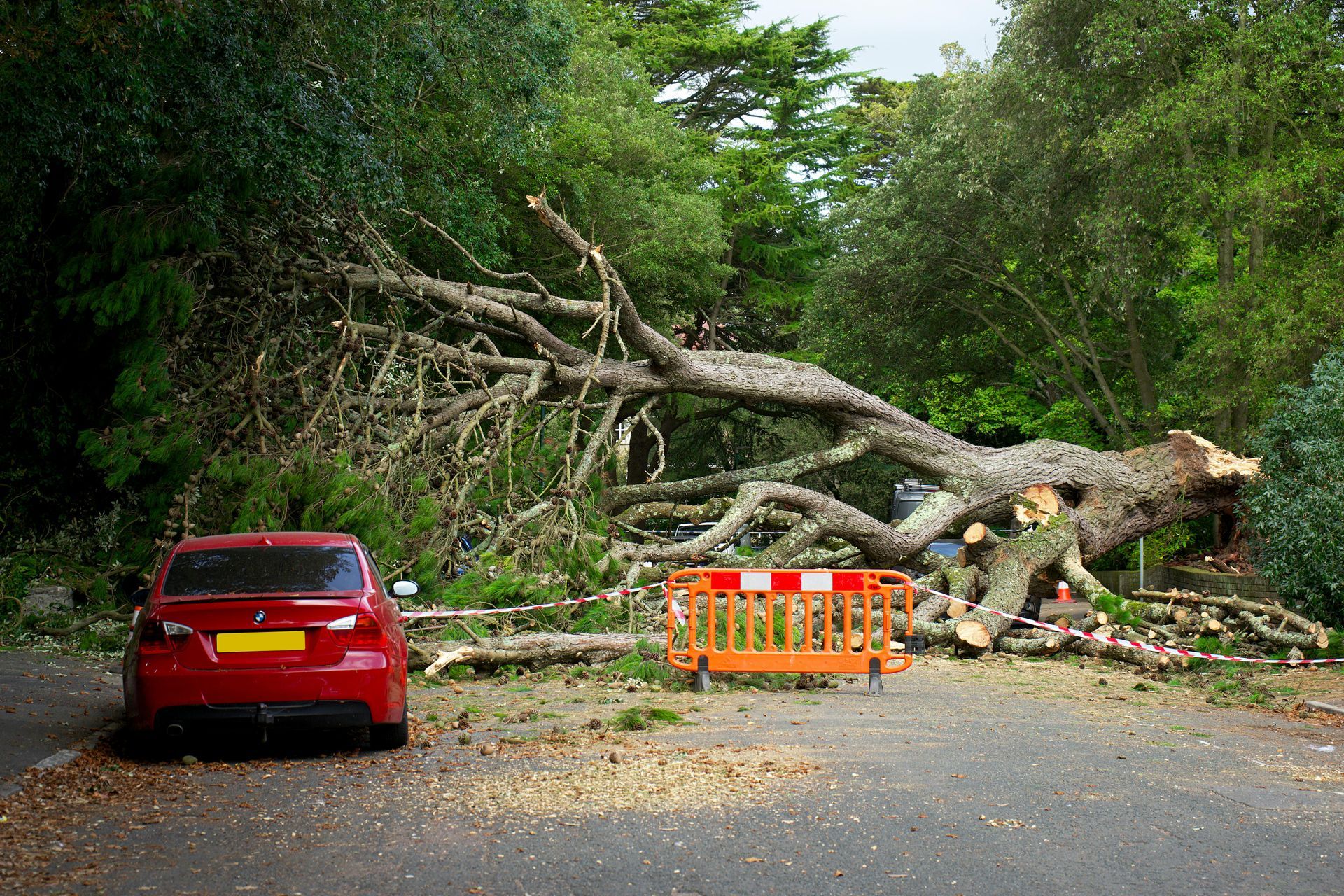
Red car parked near a fallen tree blocking a road, with an orange barrier.
February 20, 2026
Learn when tree damage requires emergency removal and when it can wait. Serving PA, NJ, and DE with fast response, expert service, and reliable care you can trust.
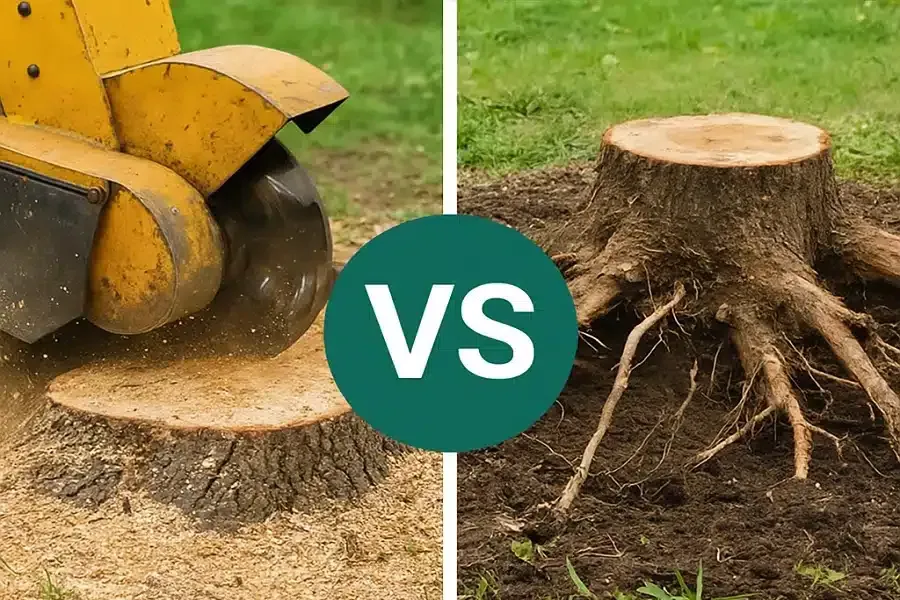
A stump grinder grinding a tree stump vs a tree stump with exposed roots in a grassy area.
February 4, 2026
Learn the difference between tree removal and stump grinding, when each service is needed, and how to choose the right option for your property.
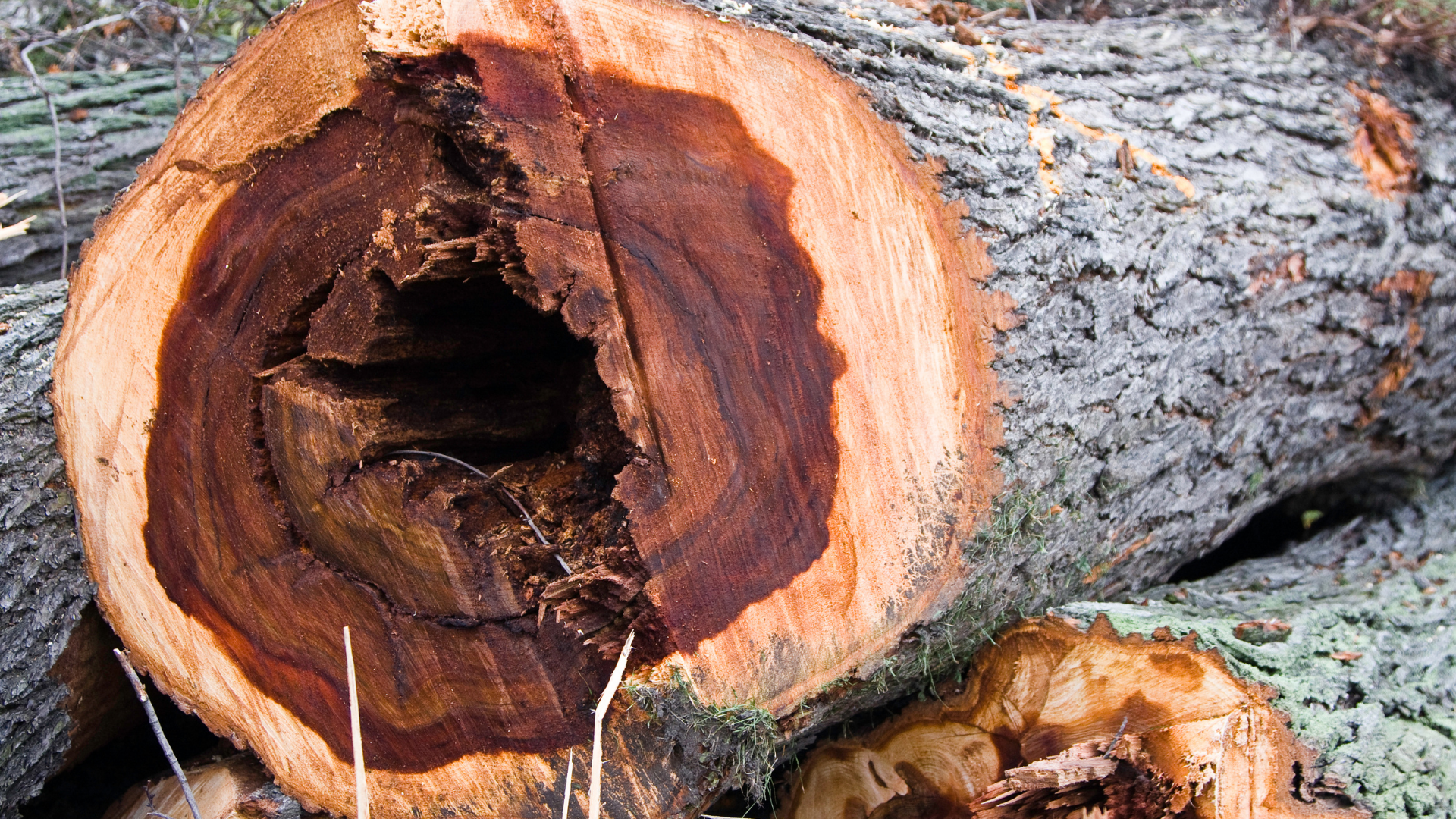
Cross-section of a tree trunk with a large, hollowed-out center. The wood is brown and tan.
January 20, 2026
Learn the warning signs of a dead or dying tree and when removal is necessary. Serving PA, NJ, and DE.
White Bobcat skid steer holding a large tree trunk, with a wood chipper in the background on a residential street.
December 26, 2025
How much does tree removal cost in Pennsylvania, New Jersey, and Delaware? Get 2025 pricing estimates and expert tips from Tree State PM.
Man wearing safety gear cutting a log with a chainsaw in a forest.
December 10, 2025
Tree down? Get emergency tree service 24/7 from Tree State PM. Serving PA, NJ, DE with fast, safe removal and storm response.
A green wood chipper next to a large tree, being used for tree removal. Cloudy sky and a building in the background.
November 25, 2025
Protect your trees and home this winter with expert tree care tips. Tree State PM offers storm prep and winter maintenance services.
Person pruning a tree with long-handled shears; trees in the background.
November 12, 2025
Find out how often to prune trees in PA, NJ, and DE. Expert pruning advice from Tree State PM for healthy growth and safety.
Hand with glove using saw to cut through tree branch.
October 28, 2025
DIY tree removal is risky and costly. Learn why Pennsylvania homeowners should trust licensed pros. Free estimates from Tree State PM.
Spring Yard Clean-Up in Delaware | Seasonal Checklist
October 13, 2025
Get your Delaware yard ready for spring. Use our clean-up checklist or book professional service with Tree State PM. Free estimates available.
Show More