Why Large Trees Require Professional Removal

April 8, 2026

Understanding the Need for Professional Tree Removal Services 

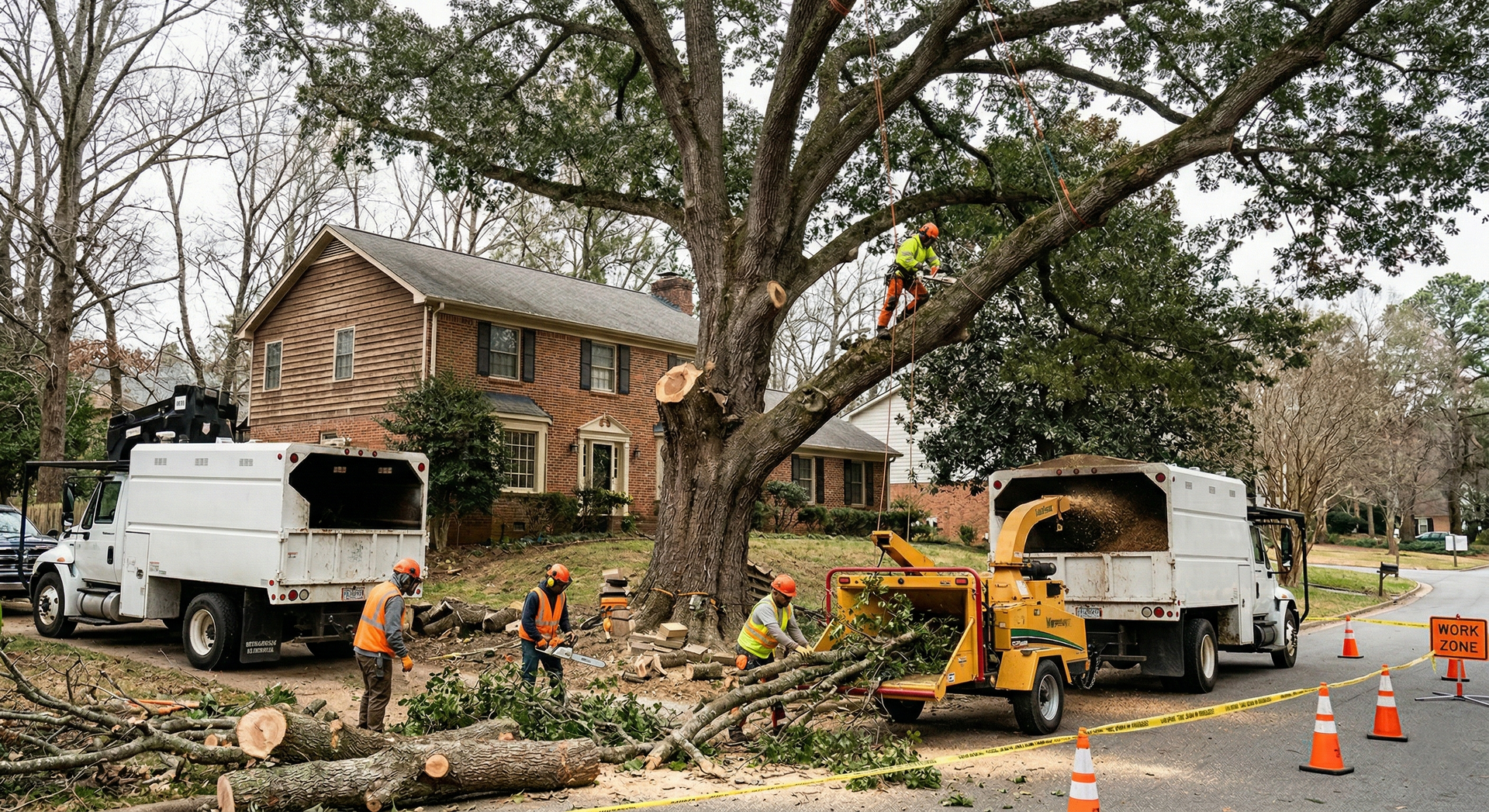
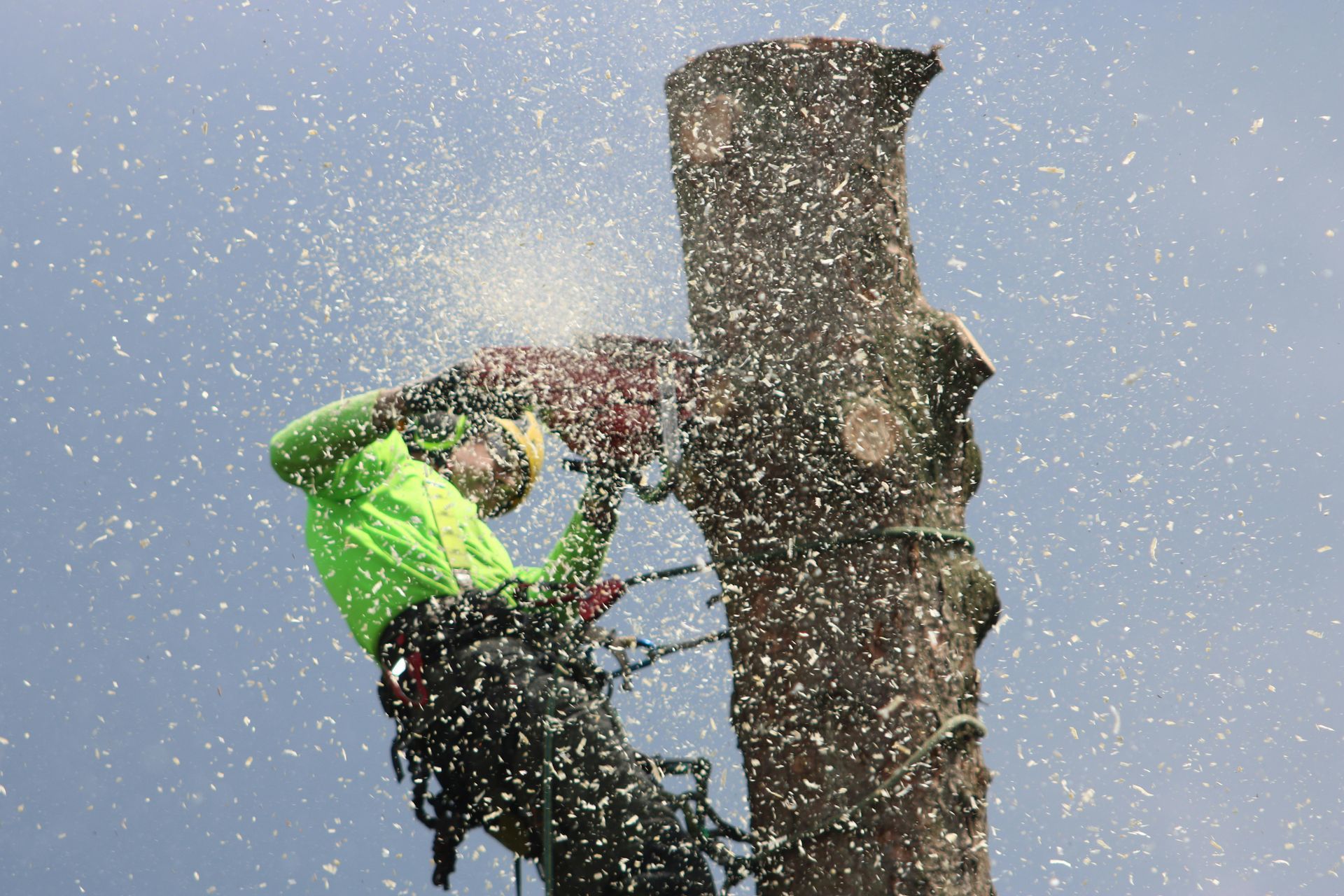
Three arborists work in a residential yard, trimming a large tree with a wood chipper and trucks nearby.

Large trees add beauty, shade, and value to a property—but when one needs to be removed, it becomes a serious undertaking that should never be handled casually. Unlike small ornamental trees, large trees present complex safety risks that require professional training, specialized equipment, and careful planning.

In Pennsylvania, New Jersey, and Delaware, many residential properties feature mature trees that are 50, 70, or even 100 feet tall. These trees often grow close to homes, garages, driveways, power lines, and neighboring properties. Attempting to remove a large tree without professional expertise can lead to severe property damage, personal injury, or worse.

This guide explains why large trees are fundamentally different from small trees, the risks involved in removing them, and why professional tree services are essential for safe and effective removal.

What Qualifies as a Large Tree?

While definitions vary slightly, a tree is generally considered “large” when it exceeds:

  • 60 feet in height, or

  • 24 inches in trunk diameter, or

  • Has a wide, heavy canopy that extends over structures

Common large-tree species in the Northeast include oak, maple, sycamore, tulip poplar, pine, and beech. These trees can weigh several tons and require advanced removal techniques.

The Physics of Large Tree Removal

One of the most important reasons large trees require professionals is simple physics. The size and weight of a large tree make it unpredictable once cutting begins.

Key challenges include:

  • Extreme weight distribution

  • Shifting center of gravity

  • Stored tension in limbs

  • Wind influence during cutting

A single large limb can weigh hundreds or even thousands of pounds. Misjudging a cut by just a few inches can cause a limb to swing or fall in an unintended direction, leading to catastrophic damage.

Professionals understand how to calculate load, tension, and fall paths before making a single cut.

Major Risks of Removing Large Trees Without Professionals

1. Uncontrolled Falls


Large trees cannot simply be cut at the base and dropped safely in residential areas. Without controlled removal, the tree may:

  • Fall onto a house or garage

  • Crush vehicles

  • Damage neighboring properties

  • Break utility lines

Once a large tree starts to fall, there is no way to stop or redirect it.


2. Severe Injury or Fatality


Tree removal consistently ranks among the most dangerous professions—and that risk increases dramatically with tree size.

Common injuries include:

  • Falls from height

  • Chainsaw injuries

  • Crushing injuries from falling limbs

  • Being struck by swinging branches

Homeowners attempting large tree removal often lack:

  • Proper climbing gear

  • Fall protection

  • Rigging systems

  • Emergency response planning


3. Structural Damage to Property


Large trees often grow close to structures. Without professional control, falling limbs can cause:

  • Roof collapse

  • Broken windows

  • Damaged siding

  • Destroyed fences and decks

Repairing this damage typically costs far more than professional removal would have.


4. Power Line Hazards


Large trees frequently grow into or over power lines. Contact with energized lines can result in:

  • Electrocution

  • Fires

  • Neighborhood power outages

Professional crews coordinate with utility companies and follow strict safety protocols when working near electrical infrastructure.


5. Unstable or Decayed Wood


Many large trees require removal because they are dead, dying, or storm damaged. Decay makes wood brittle and unpredictable, increasing the risk of sudden failure during cutting.

Professionals are trained to identify decay and adjust techniques accordingly.

Why Specialized Equipment Is Essential

Large tree removal requires equipment that most homeowners do not have—and should not attempt to operate without training.

Professional equipment may include:

  • Aerial lifts and bucket trucks

  • Cranes for controlled lifting

  • Advanced rigging and rope systems

  • Commercial-grade chainsaws

  • Helmets, harnesses, and fall protection gear

Cranes are often used to lift large sections of the tree away from structures safely, something that cannot be done manually.

Sectional Removal: The Professional Approach

Instead of cutting a large tree down in one piece, professionals remove it section by section, starting at the top.

This process involves:

  1. Securing limbs with ropes

  2. Making controlled cuts

  3. Lowering sections safely to the ground

  4. Gradually dismantling the tree

Sectional removal minimizes risk and allows precise control over where each piece lands.

Environmental and Site Considerations

consider factors such as:

  • Soil conditions

  • Slope and grade

  • Root stability

  • Nearby landscaping

  • Drainage patterns

Removing a large tree incorrectly can:

  • Damage surrounding plants

  • Cause soil erosion

  • Destabilize nearby trees

Professionals plan removals to minimize long-term impact on your property.

Permits and Regulations Often Apply to Large Trees

Large trees are more likely to be protected by local ordinances, especially in New Jersey and certain Pennsylvania municipalities.

Permit triggers may include:

  • Trunk diameter thresholds

  • Historic or landmark status

  • Location near public right-of-way

  • Environmental protection zones

Professional tree services help homeowners navigate these requirements and avoid fines or delays.

Large Tree Removal and Insurance Liability

If a large tree removal goes wrong and causes damage:

  • Homeowner’s insurance may deny coverage

  • The homeowner may be liable for neighbor property damage

  • Injuries may not be covered

Licensed and insured tree service companies carry liability coverage that protects homeowners from financial exposure.

Why DIY Large Tree Removal Is Especially Risky

Even experienced DIYers underestimate the complexity of large tree removal. Chainsaws, ladders, and ropes are not enough to safely handle the forces involved.

Common DIY mistakes include:

  • Misjudging fall direction

  • Cutting load-bearing limbs improperly

  • Ignoring wind conditions

  • Failing to account for decay

Professional training exists specifically because these risks are not intuitive.

Cost vs Risk: Understanding the Real Value of Professional Removal

While professional large tree removal may seem expensive, the cost reflects:

  • Skilled labor

  • Advanced equipment

  • Insurance coverage

  • Safety planning

  • Cleanup and debris removal

When compared to the potential cost of property damage, injury, or liability, professional removal is almost always the more economical choice.

What to Expect From Professional Large Tree Removal

A professional removal typically includes:

  • On-site evaluation

  • Safety planning

  • Controlled sectional removal

  • Debris hauling

  • Optional stump grinding

  • Final cleanup

The process is designed to leave your property safe, clean, and intact.

Frequently Asked Questions

Can large trees ever be saved instead of removed?

Sometimes. A professional assessment can determine if pruning or cabling is an option.

How long does large tree removal take?

Most large removals take one full day, depending on complexity.

Is crane removal always necessary?

Not always, but cranes are often used when trees are close to structures.

Professional Large Tree Removal in the Tri-State Area

Tree State Property Maintenance provides professional large tree removal services throughout Pennsylvania, New Jersey, and Delaware. Our trained crews use specialized equipment and proven techniques to safely remove even the most challenging trees.

Whether your large tree is storm damaged, diseased, or simply too close to your home, professional removal ensures the job is done safely and correctly.


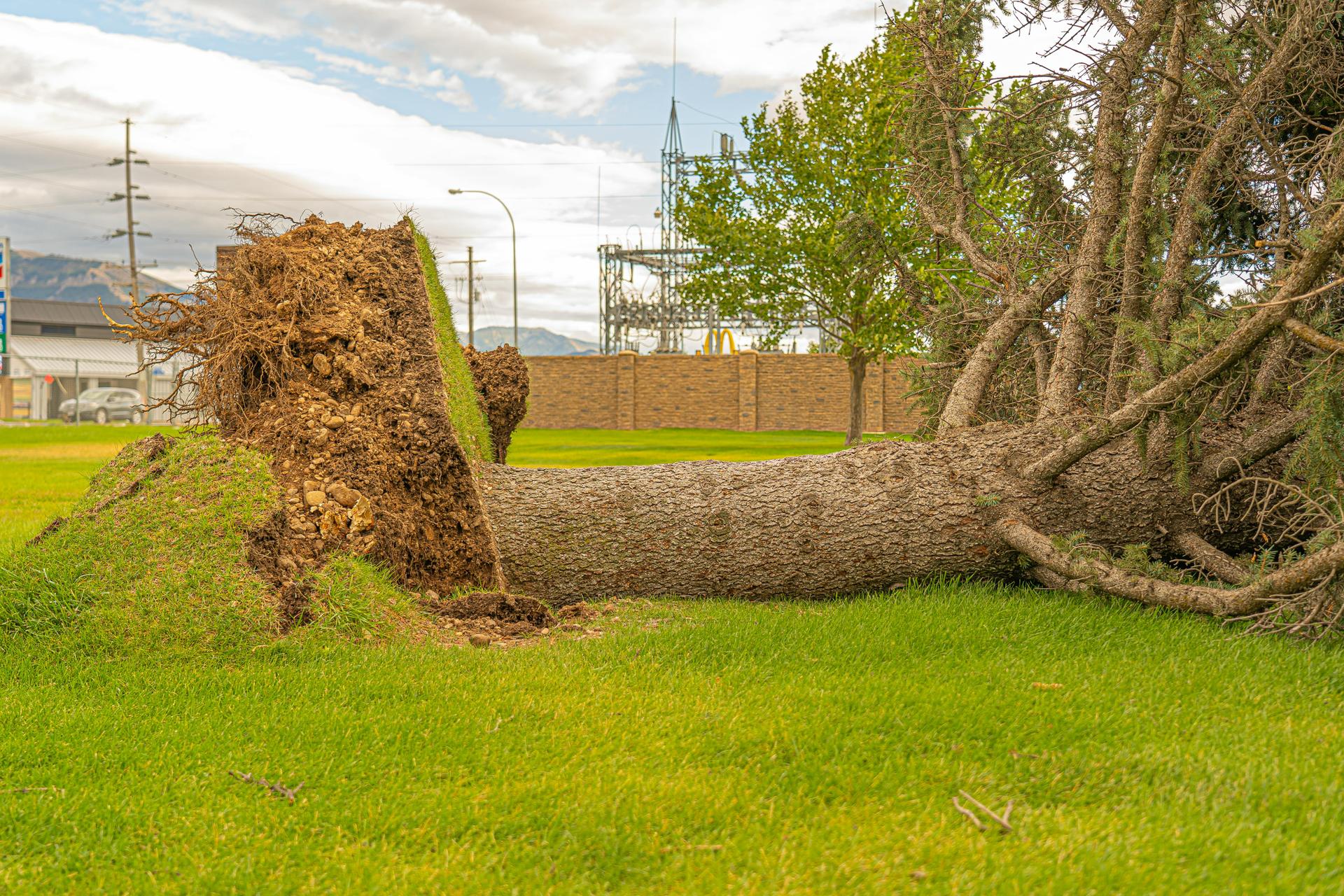
A large tree uprooted by a storm lies across a grassy lawn and a paved road near a residential building.
March 24, 2026
Learn how storms weaken trees, the hidden risks after severe weather, and when professional inspection or removal is needed.
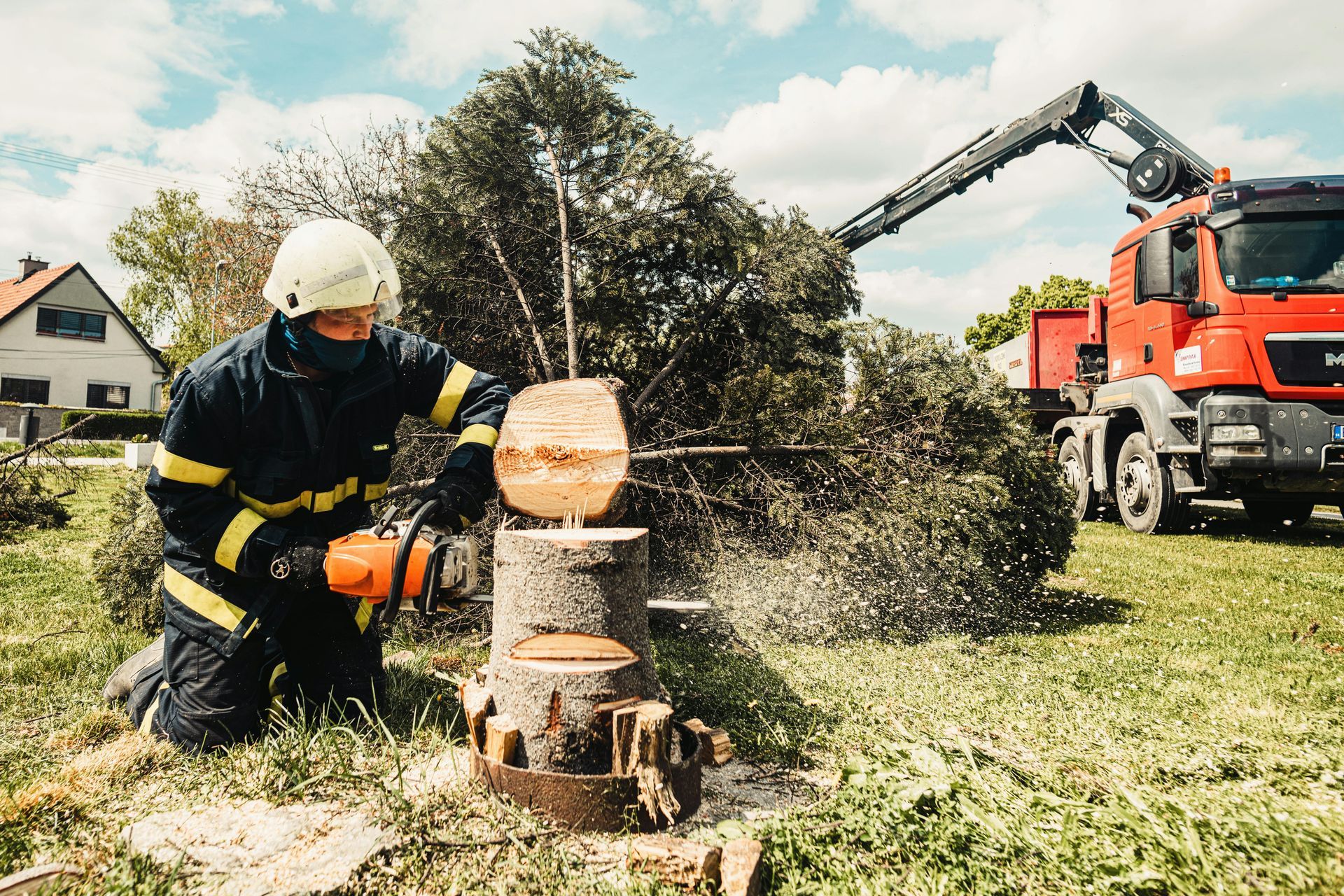
Firefighter using a chainsaw to cut a tree trunk; truck with a crane in the background.
March 9, 2026
Do you need a permit to remove a tree in Pennsylvania? Learn PA tree removal laws, local rules, and how to avoid fines.
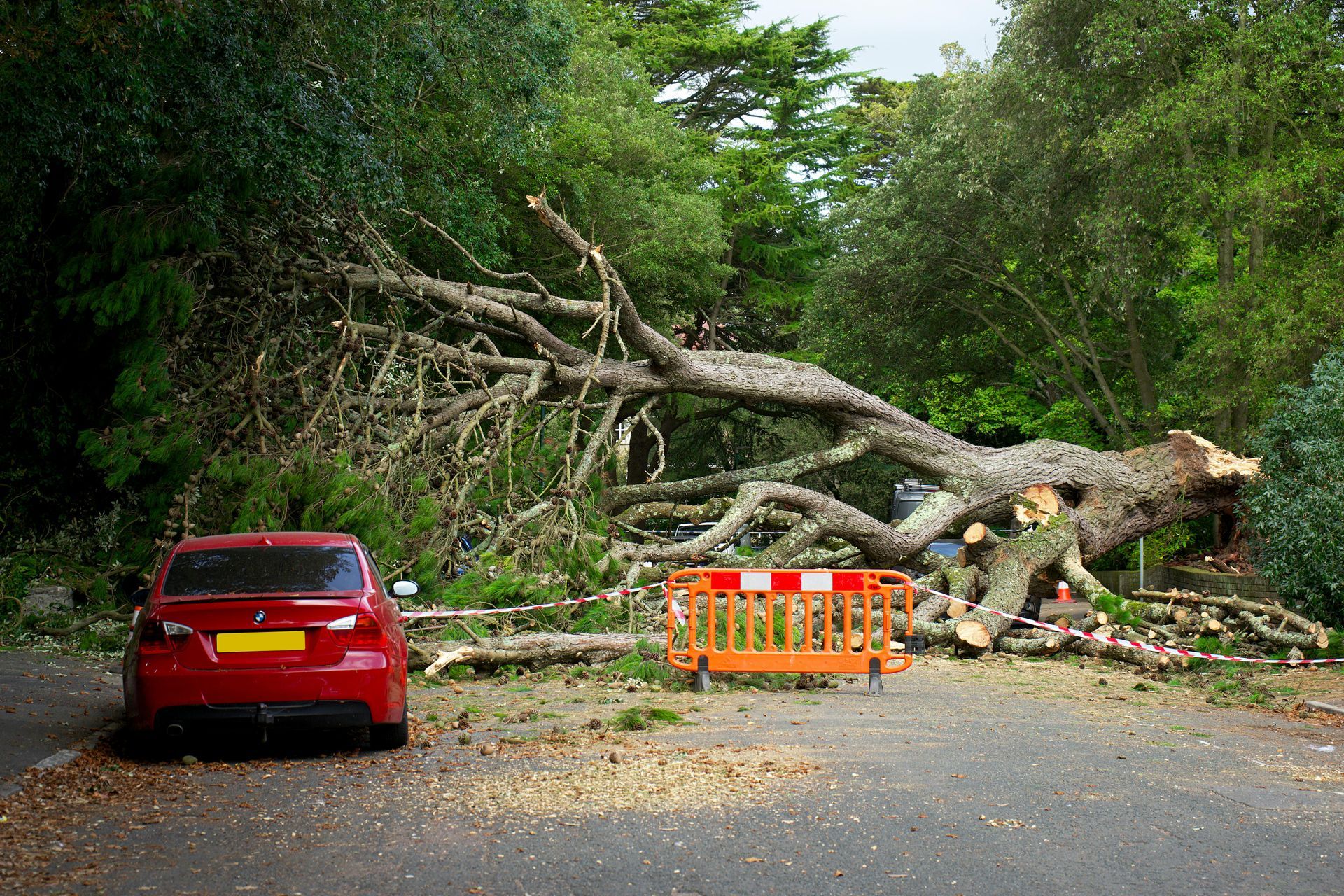
Red car parked near a fallen tree blocking a road, with an orange barrier.
February 20, 2026
Learn when tree damage requires emergency removal and when it can wait. Serving PA, NJ, and DE with fast response, expert service, and reliable care you can trust.
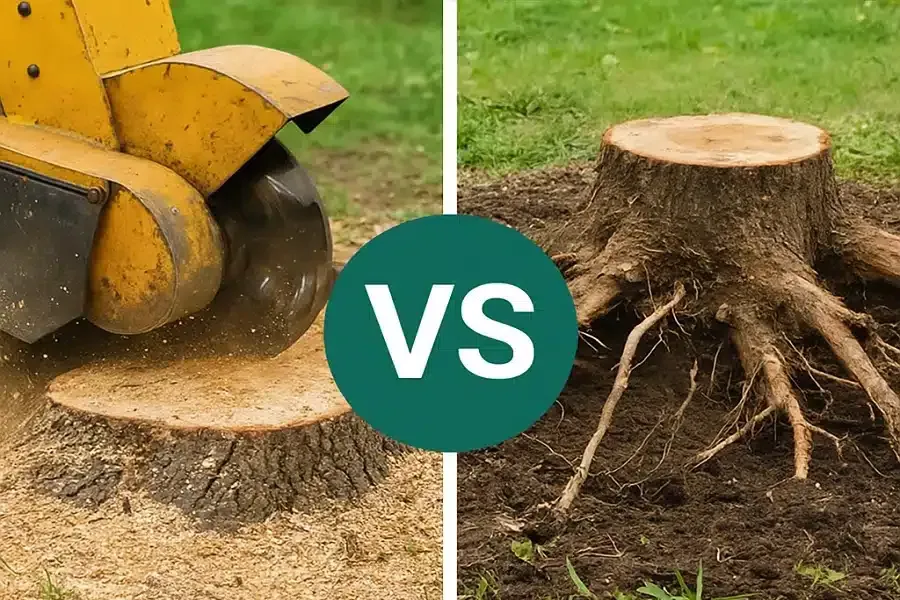
A stump grinder grinding a tree stump vs a tree stump with exposed roots in a grassy area.
February 4, 2026
Learn the difference between tree removal and stump grinding, when each service is needed, and how to choose the right option for your property.
Cross-section of a tree trunk with a large, hollowed-out center. The wood is brown and tan.
January 20, 2026
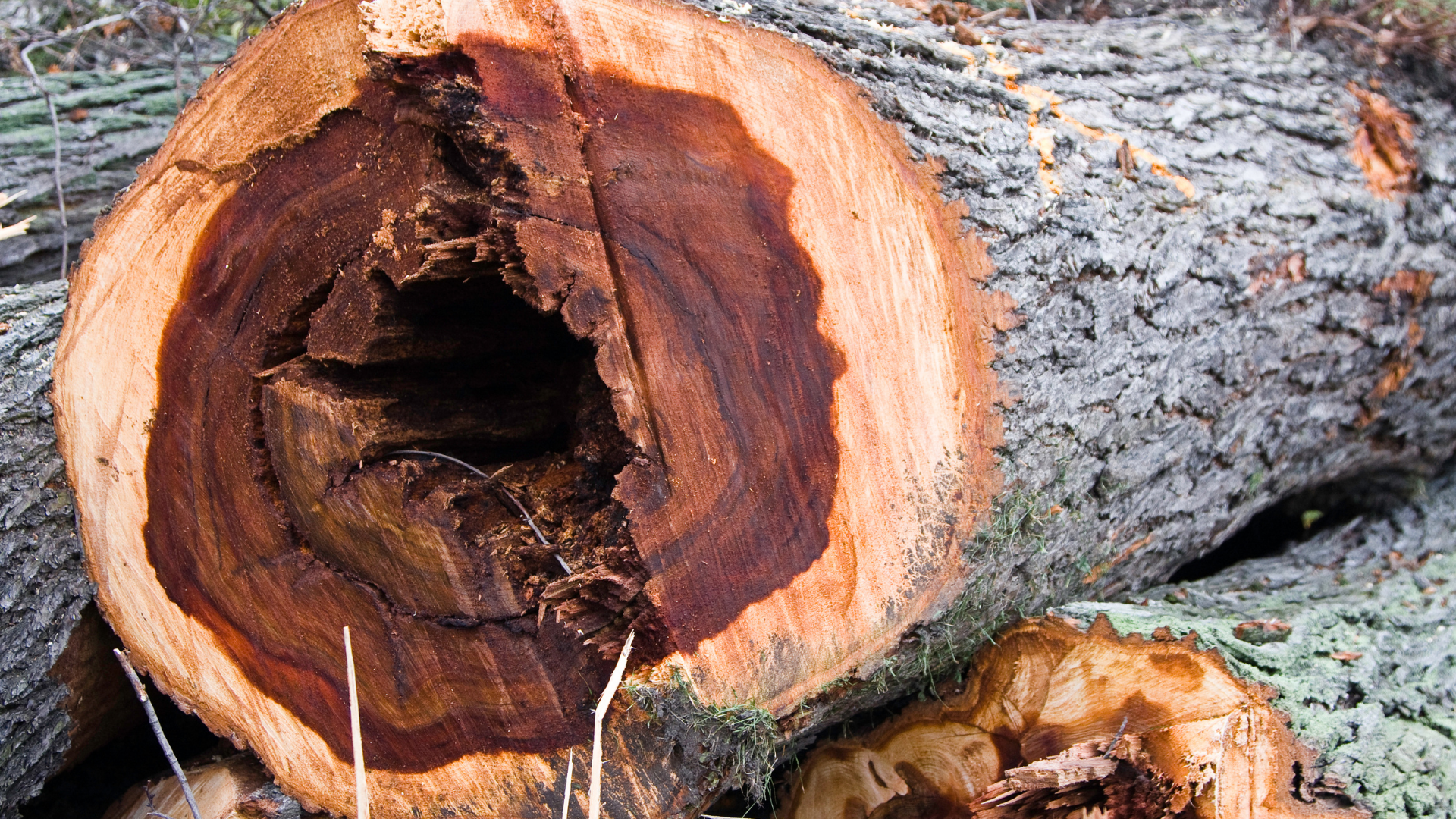
Learn the warning signs of a dead or dying tree and when removal is necessary. Serving PA, NJ, and DE.
White Bobcat skid steer holding a large tree trunk, with a wood chipper in the background on a residential street.
December 26, 2025
How much does tree removal cost in Pennsylvania, New Jersey, and Delaware? Get 2025 pricing estimates and expert tips from Tree State PM.
Man wearing safety gear cutting a log with a chainsaw in a forest.
December 10, 2025
Tree down? Get emergency tree service 24/7 from Tree State PM. Serving PA, NJ, DE with fast, safe removal and storm response.
A green wood chipper next to a large tree, being used for tree removal. Cloudy sky and a building in the background.
November 25, 2025
Protect your trees and home this winter with expert tree care tips. Tree State PM offers storm prep and winter maintenance services.
Person pruning a tree with long-handled shears; trees in the background.
November 12, 2025
Find out how often to prune trees in PA, NJ, and DE. Expert pruning advice from Tree State PM for healthy growth and safety.
Hand with glove using saw to cut through tree branch.
October 28, 2025
DIY tree removal is risky and costly. Learn why Pennsylvania homeowners should trust licensed pros. Free estimates from Tree State PM.
Show More