Tree Removal vs. Stump Grinding: What’s the Difference?


When a tree needs to come down, many homeowners assume the entire job ends once the trunk is gone. In reality, tree removal and stump grinding are two separate services that address different parts of the same problem. Understanding the difference between them is essential for planning your project, budgeting correctly, and restoring your yard safely and efficiently.
In Pennsylvania, New Jersey, and Delaware—where mature trees are common and properties often have limited space—choosing the right combination of services can prevent long-term issues like pest infestations, regrowth, and tripping hazards.
This guide explains what tree removal and stump grinding actually involve, when each service is necessary, and how to decide what’s right for your property.
What Tree Removal Involves
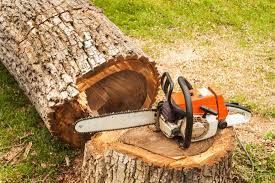
Tree removal is the process of safely cutting down a tree and removing all above-ground portions, including:
- The trunk
- Major limbs
- Smaller branches
- The canopy
Tree removal is typically required when a tree is:
- Dead or dying
- Structurally unsafe
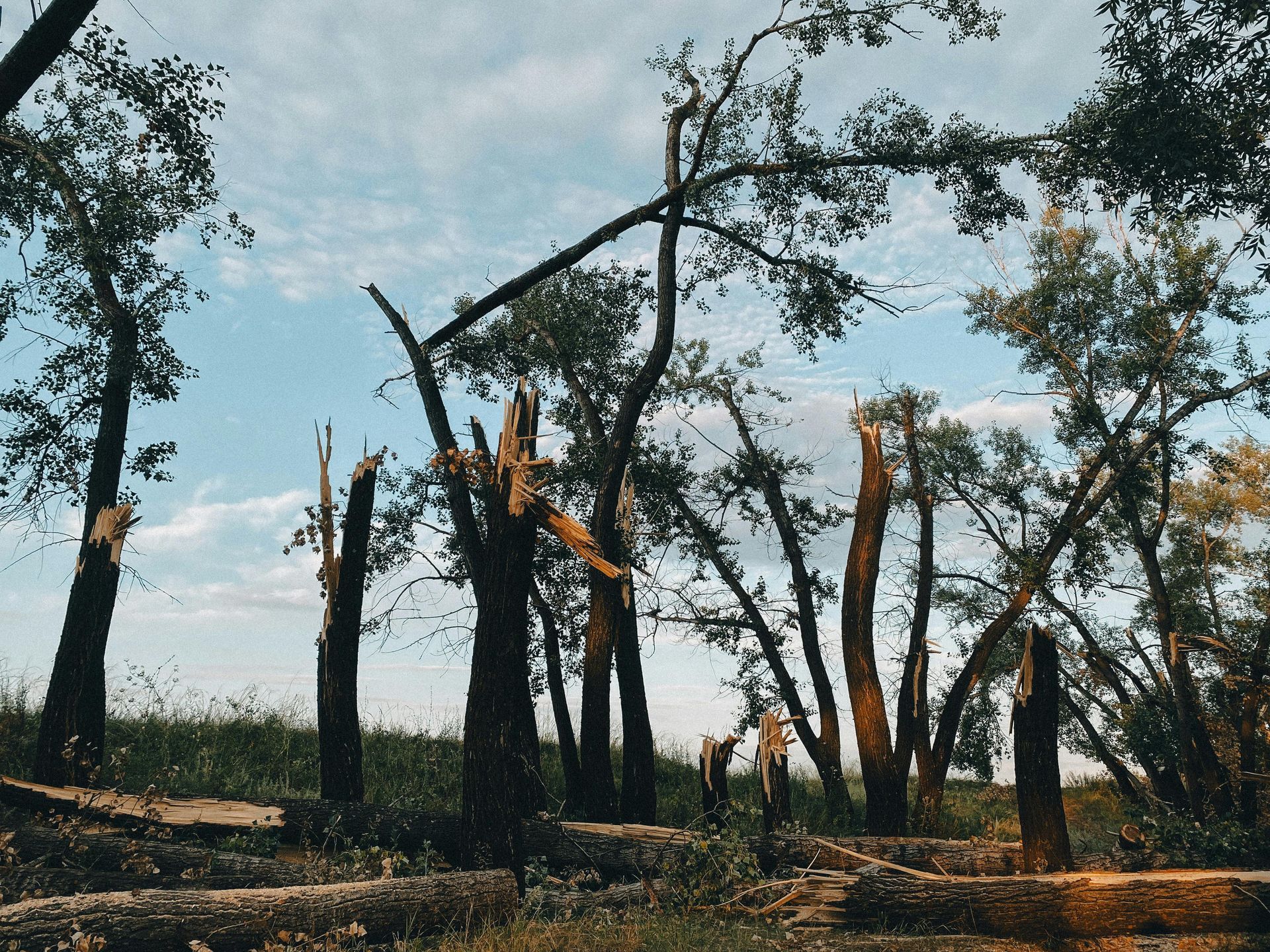
- Storm damaged
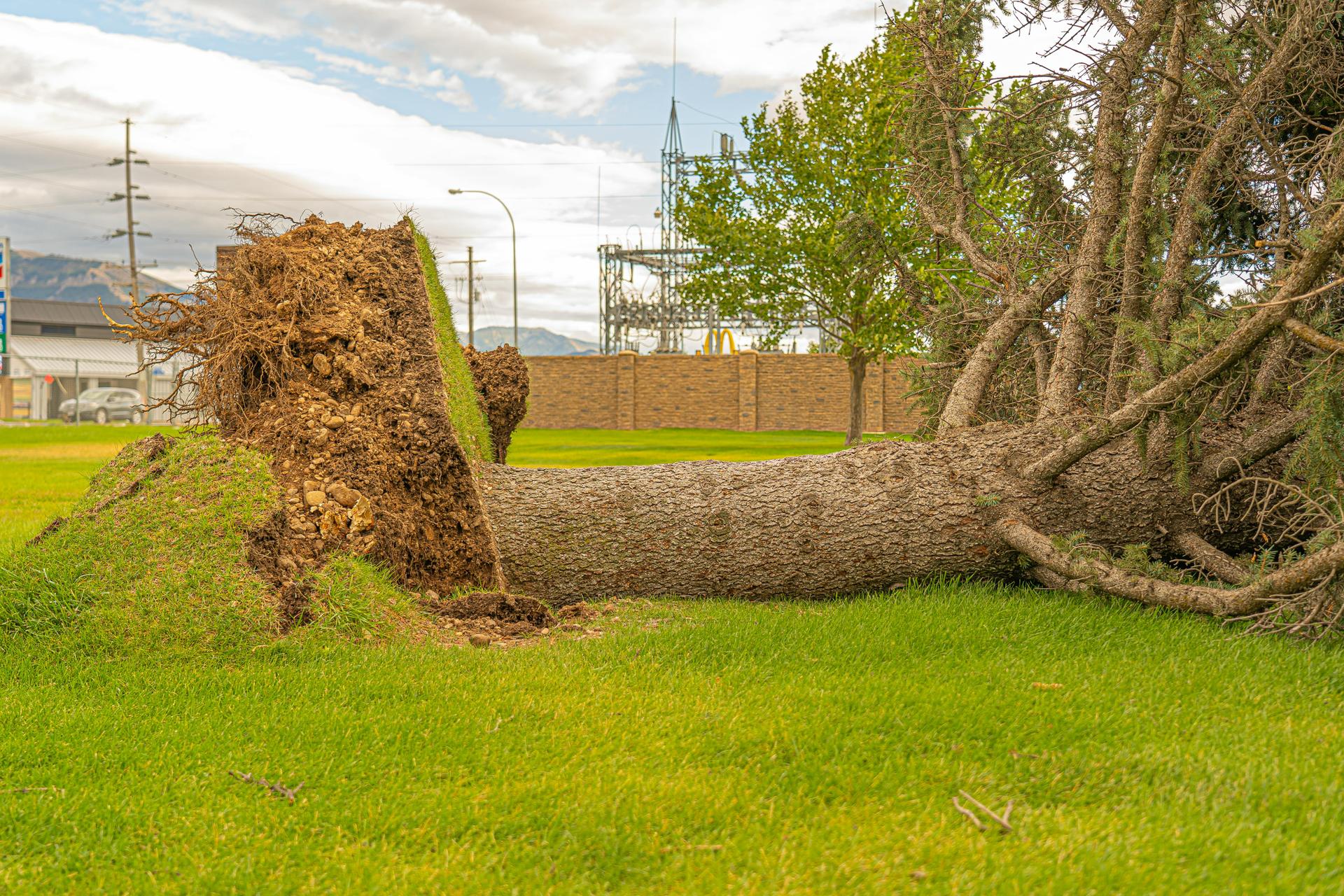
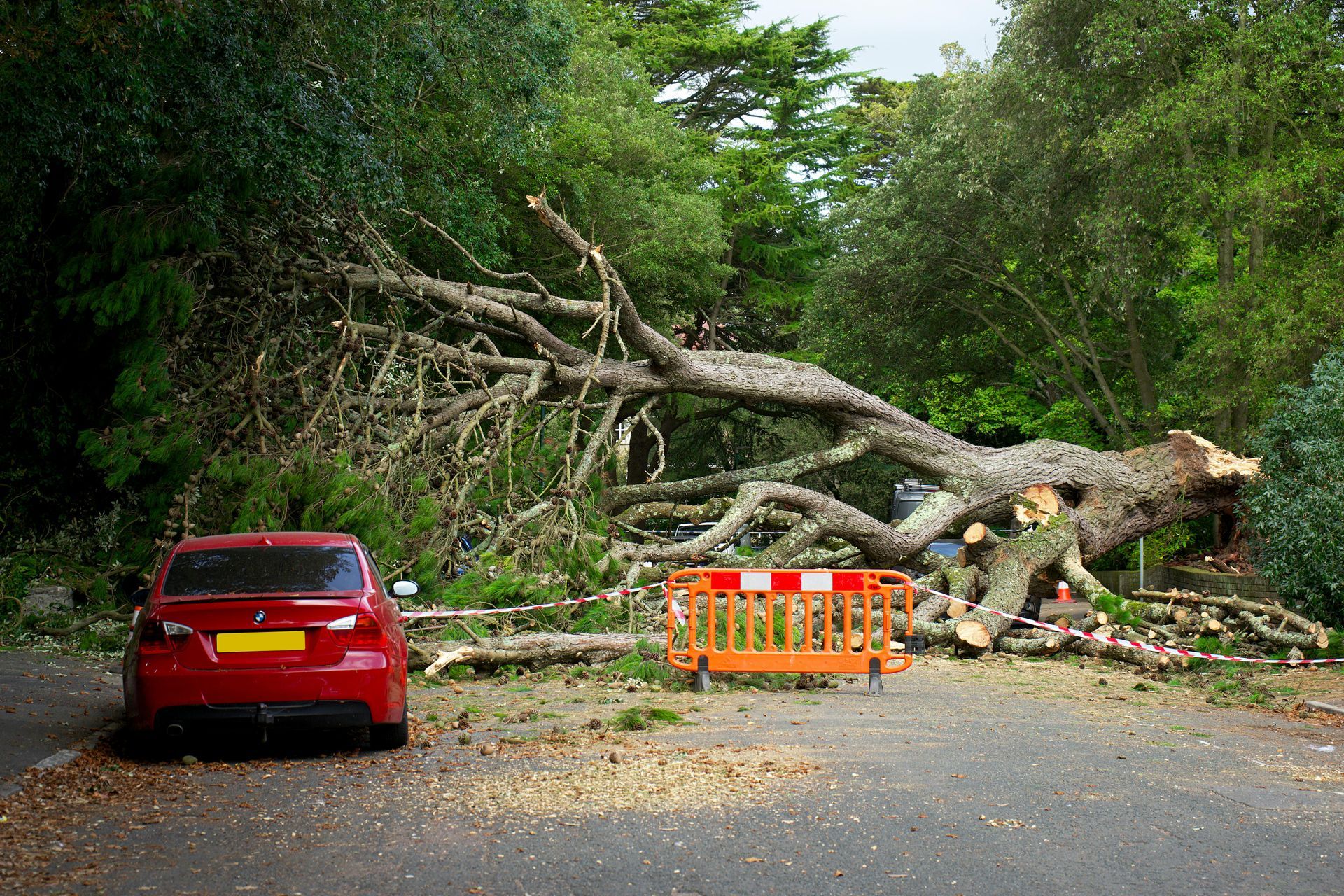
- Leaning or uprooted
- Interfering with buildings or power lines
- Causing foundation or drainage problems
How Professional Tree Removal Is Performed
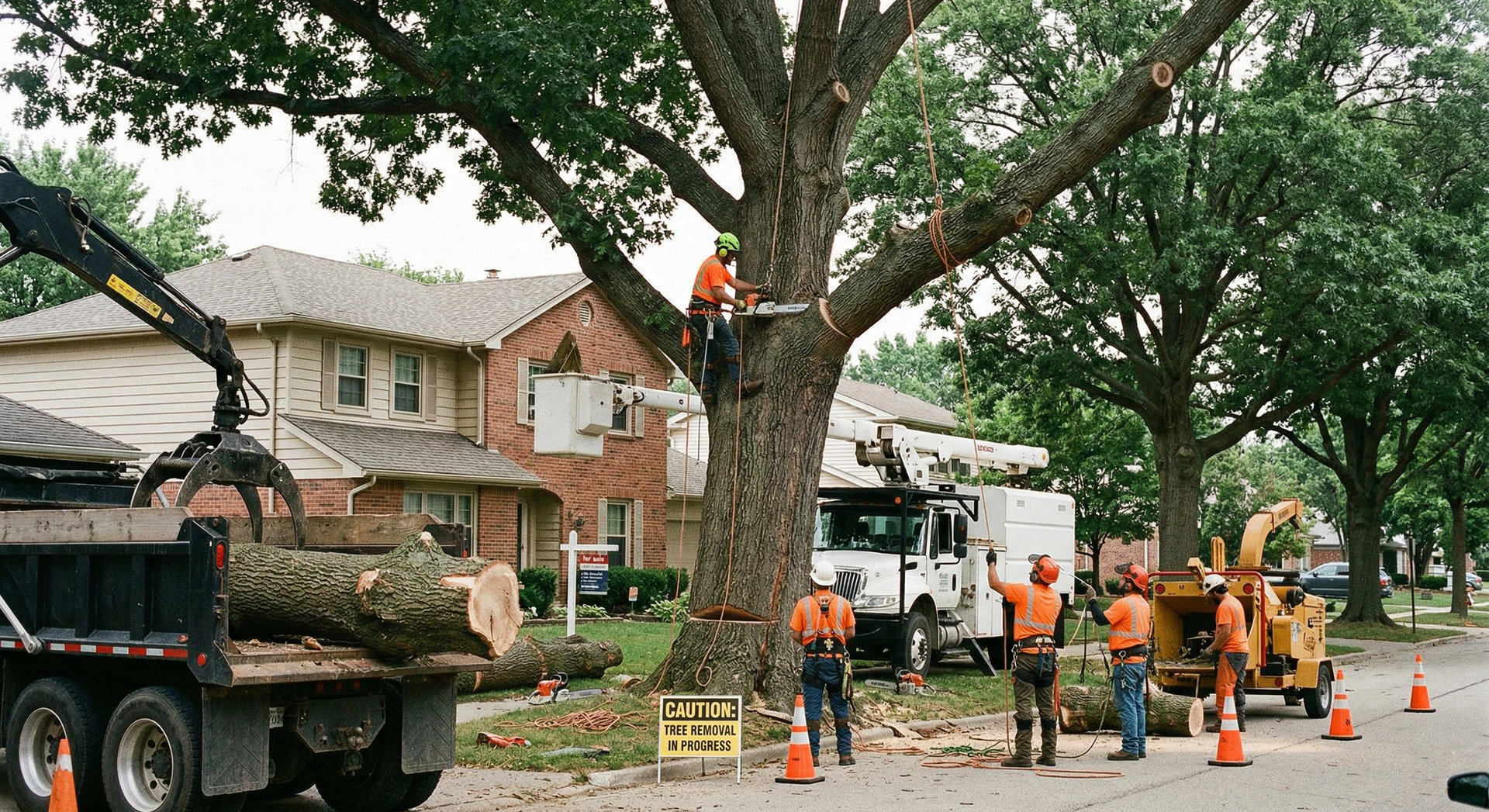
Tree removal is rarely as simple as cutting at the base and letting the tree fall. In residential settings, especially in the Northeast, trees are often close to homes, fences, neighboring properties, and utility lines.
Professional removal may involve:
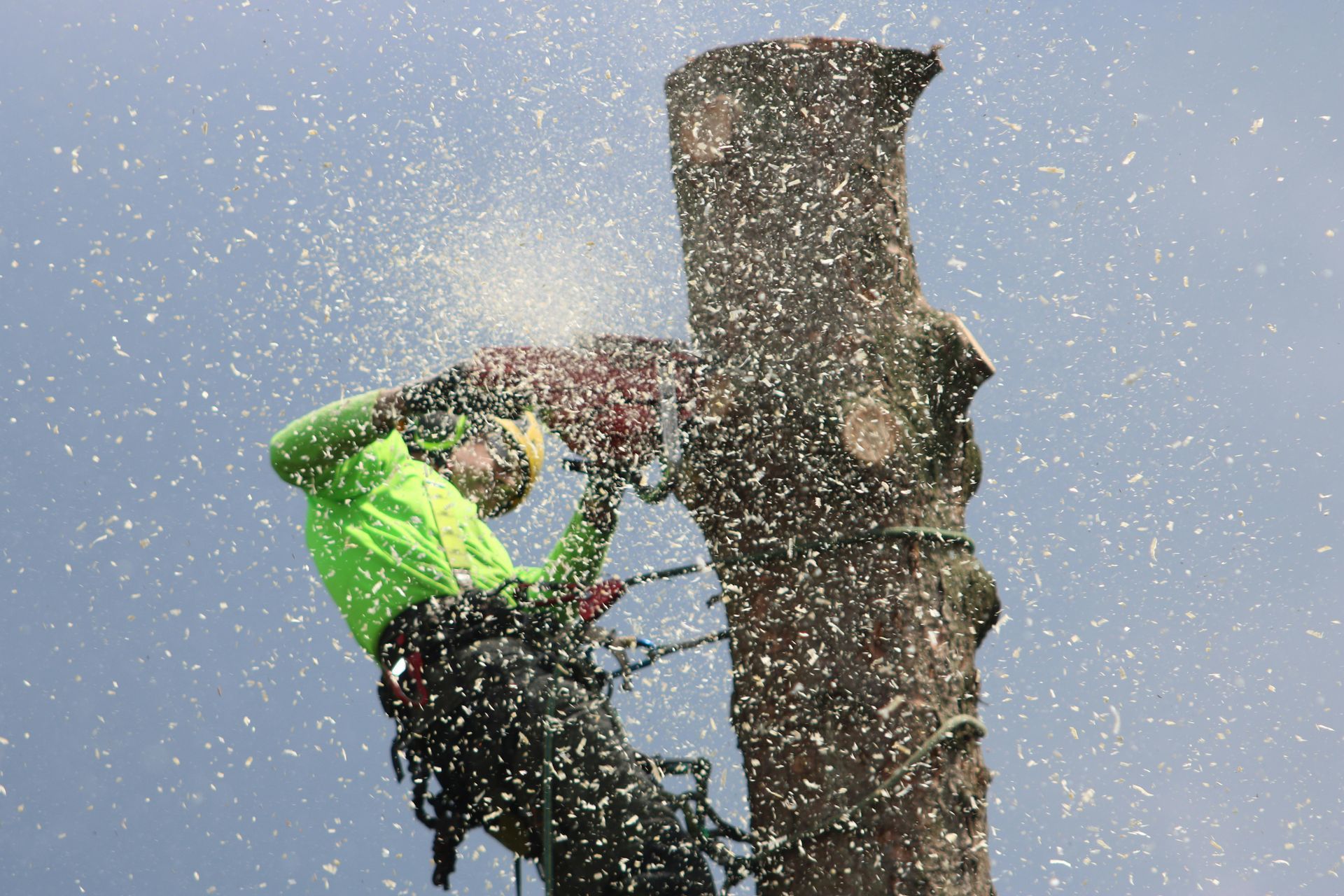
- Sectional cutting from the top down
- Rigging systems to lower limbs safely
- Controlled directional felling
- Crane assistance for large or hazardous trees
- Ground crews managing debris and safety zones
The goal is to remove the tree without causing additional damage to the property.
What Tree Removal Does Not Include
In most cases, tree removal does not include stump removal. Once the trunk is cut down to ground level, the remaining stump is left behind unless additional services are requested.
This is where stump grinding comes in.
What Is Stump Grinding?
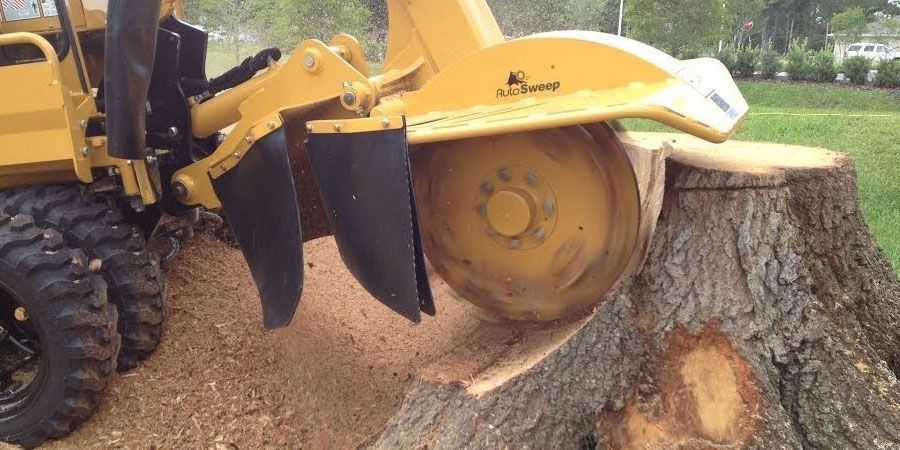
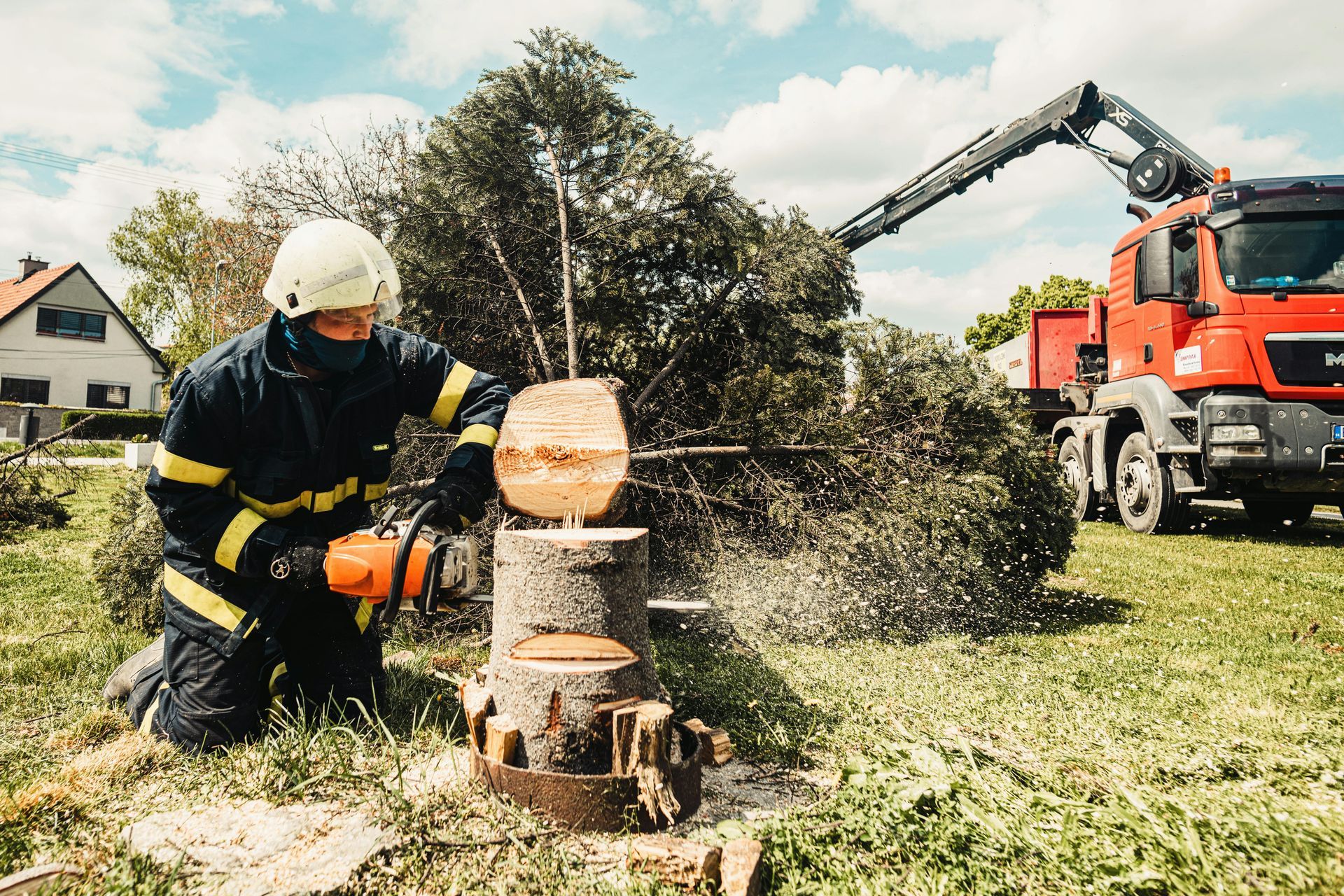
Stump grinding is a separate service that removes the visible stump left after a tree has been cut down. A specialized machine grinds the stump several inches below ground level, turning the wood into mulch.
What Stump Grinding Accomplishes
- Eliminates the visible stump
- Reduces tripping hazards
- Prevents most regrowth
- Allows for regrading or replanting
- Improves lawn appearance
Stump grinding does not remove the entire root system. Instead, the roots are left to decompose naturally underground over time.
Why Stump Grinding Is Often Necessary
Leaving a stump behind may seem harmless at first, but it can lead to ongoing problems.
1. Safety Hazards
Stumps are a common cause of trips and falls, especially when grass grows over them or snow obscures visibility in winter.
2. Pest Attraction
Decaying stumps attract insects such as:
- Termites
- Carpenter ants
- Beetles
These pests can spread to nearby healthy trees—or even into your home.
3. Unwanted Regrowth
Many tree species will continue to send up shoots from a stump. This regrowth is unsightly and difficult to control without grinding.
4. Lawn and Landscaping Problems
Stumps interfere with:
- Mowing
- New sod installation
- Garden beds
- Hardscaping projects
Grinding allows you to reclaim usable space in your yard.
Tree Removal vs. Stump Grinding: Side-by-Side Comparison

| Feature | Tree Removal | Stump Grinding |
|---|---|---|
| Removes standing tree | Yes | No |
| Removes visible stump | No | Yes |
| Eliminates overhead hazards | Yes | No |
| Prevents regrowth | Partial | Mostly |
| Improves lawn usability | Limited | Significant |
| Required for full restoration | Sometimes | Often |
In most cases, tree removal solves the immediate safety issue, while stump grinding completes the job by restoring the landscape.
When You Need Tree Removal Only
Tree removal alone may be sufficient if:
- The tree fell naturally and the stump is not in the way
- The stump is located in a wooded area
- The stump does not pose a safety or aesthetic concern
- Budget constraints require delaying stump grinding
However, leaving the stump is usually a temporary solution rather than a long-term one.
When You Need Stump Grinding Only
Stump grinding may be needed even when the tree was removed years ago. Common scenarios include:
- Old stumps resurfacing due to soil erosion
- Yard renovations or landscaping projects
- Repeated regrowth from an old stump
- Safety concerns as children or pets use the yard
Grinding can be done independently of tree removal.
When You Should Combine Both Services
Most homeowners choose to combine tree removal and stump grinding when:
- A tree is permanently removed
- Lawn restoration is planned
- Property value and curb appeal matter
- Safety is a priority
Bundling services is often more cost-effective and allows the job to be completed in one visit.
Tree State Property Maintenance frequently performs both services together to minimize disruption and provide a finished result.
Cost Considerations
Tree Removal Costs Are Based On:
- Tree size and height
- Location and accessibility
- Proximity to structures or power lines
- Condition of the tree
- Equipment required
Stump Grinding Costs Are Based On:
- Stump diameter
- Number of stumps
- Depth of grinding requested
- Access for equipment
While stump grinding is an added cost, it often prevents future expenses related to pests, injuries, or regrowth.
Why DIY Stump Removal Is Not Recommended
Some homeowners attempt to remove stumps themselves using digging, burning, or chemical treatments. These methods are often:
- Labor-intensive
- Ineffective
- Dangerous
- Harmful to surrounding soil
Professional stump grinding is faster, safer, and far less disruptive.
Environmental Impact of Stump Grinding
Stump grinding is one of the most environmentally responsible ways to deal with tree remnants. The wood chips produced can be:
- Used as mulch
- Left to decompose naturally
- Removed if preferred
Because roots remain underground, soil structure is preserved, and erosion risk is reduced compared to full excavation.
Frequently Asked Questions
Can a stump rot away on its own?
Yes, but it can take 5–10 years and often attracts pests.
Will grass grow over a ground stump?
Yes, once the area is properly filled with soil and seeded.
Is stump grinding messy?
The process creates wood chips, but professional crews manage debris and clean the area afterward.
Does stump grinding damage nearby plants?
When done correctly, impact is minimal and localized.
Making the Right Choice for Your Property
Tree removal addresses immediate safety risks. Stump grinding completes the process by restoring your yard and preventing future problems. For most homeowners, combining both services is the most practical and cost-effective solution.
Tree State Property Maintenance provides licensed, insured tree removal and stump grinding services throughout Pennsylvania, New Jersey, and Delaware. Our team evaluates each property individually to recommend the safest and most efficient approach.