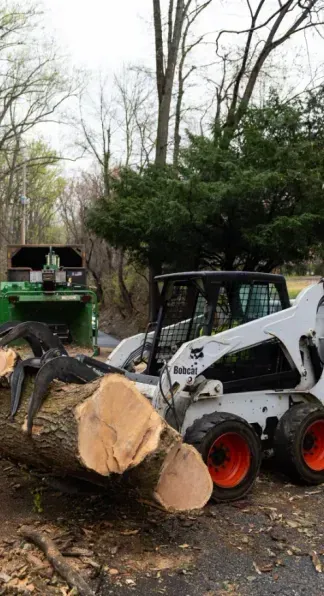
When a tree suddenly cracks in half during a storm, crashes onto your roof, blocks your driveway, or becomes dangerously unstable overnight, you can’t afford to wait until morning. Tree emergencies aren’t predictable, and they rarely happen at convenient times. That’s why true
24/7 emergency tree service is essential for homeowners in Pennsylvania, New Jersey, and Delaware.
But what does “24/7 emergency service” actually include? Is it just a hotline? Does someone actually come out overnight? How do you know if your situation qualifies as an emergency? And what can you expect when a professional crew arrives at your property in the dark, in the rain, or during a winter storm?
This expanded guide explains everything you need to know about emergency tree service and how Tree State Property Maintenance supports homeowners across the tri-state area when urgent help is needed most.
What Qualifies as a Tree Emergency?
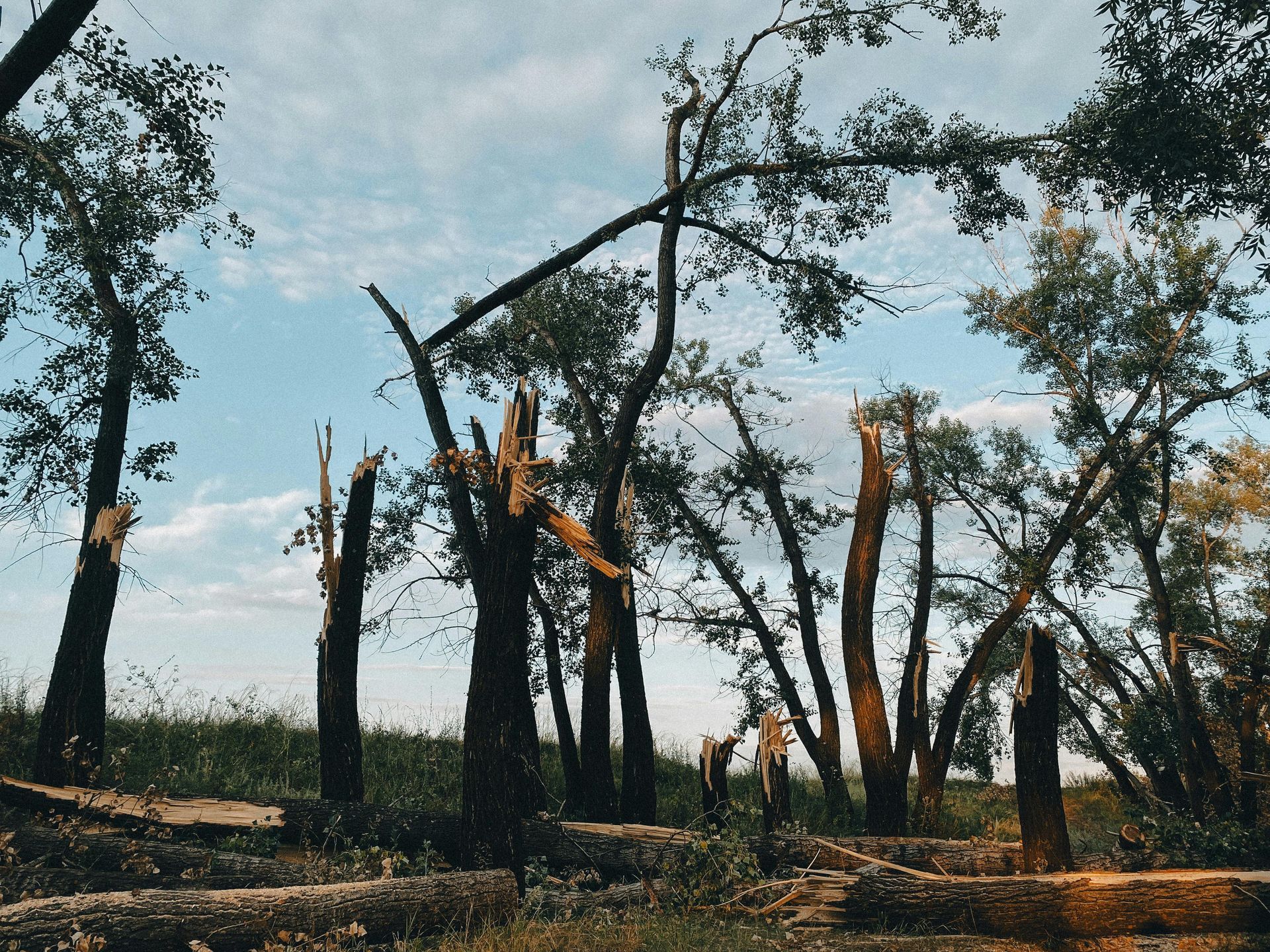
Not every fallen branch or leaning tree requires immediate attention, but some situations absolutely do. Emergency tree service is reserved for cases where life, property, or public safety is at risk. If waiting could make the situation worse or create more danger, you’re dealing with an emergency.
Common Scenarios That Require Immediate Response
- Trees or limbs on homes, garages, or buildings
Even partial weight from a fallen tree can stress structures, crack supports, or open pathways for water intrusion.
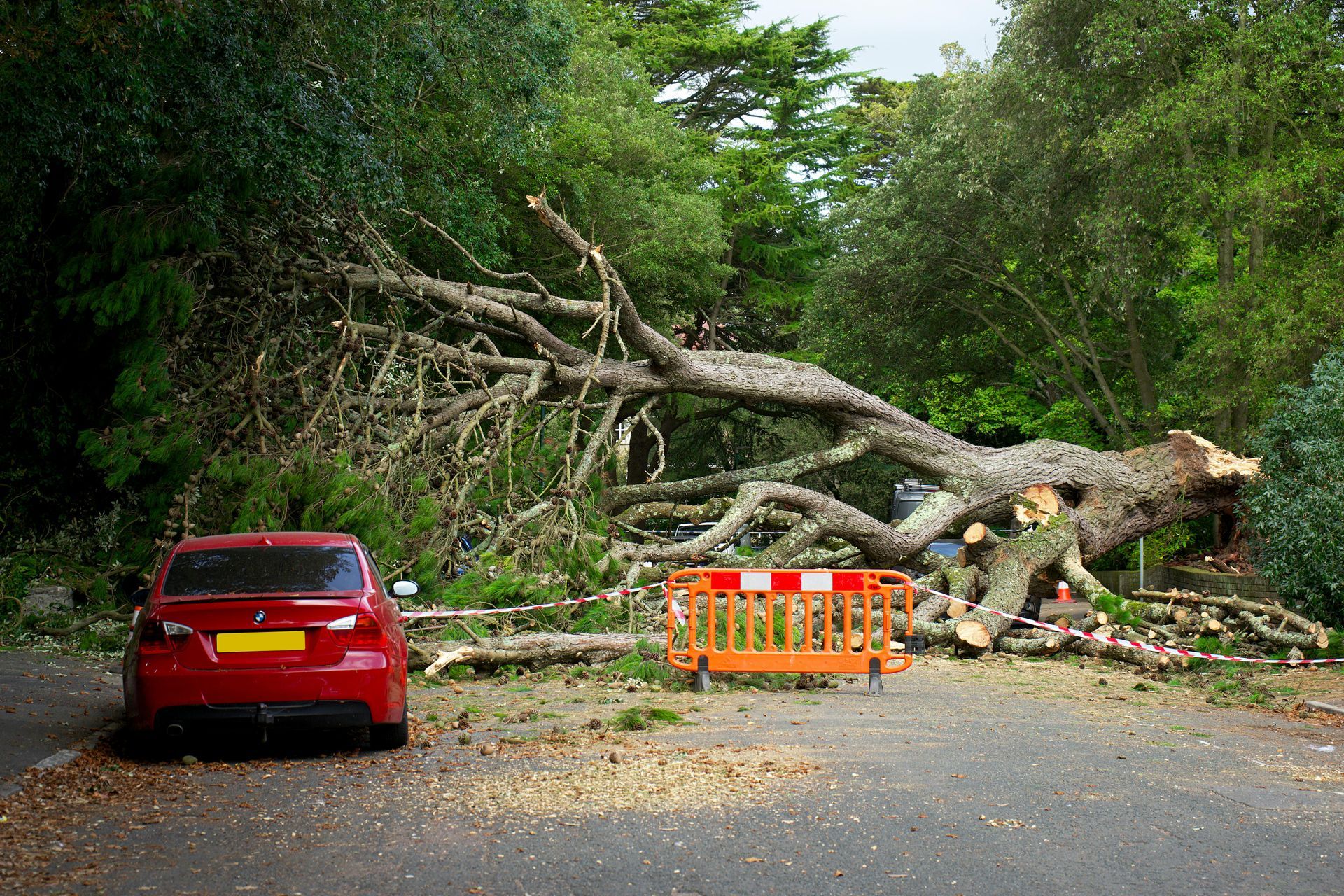
- Fallen trees blocking driveways, roads, sidewalks, or building access
This can trap you on your property—or prevent emergency responders from reaching you.
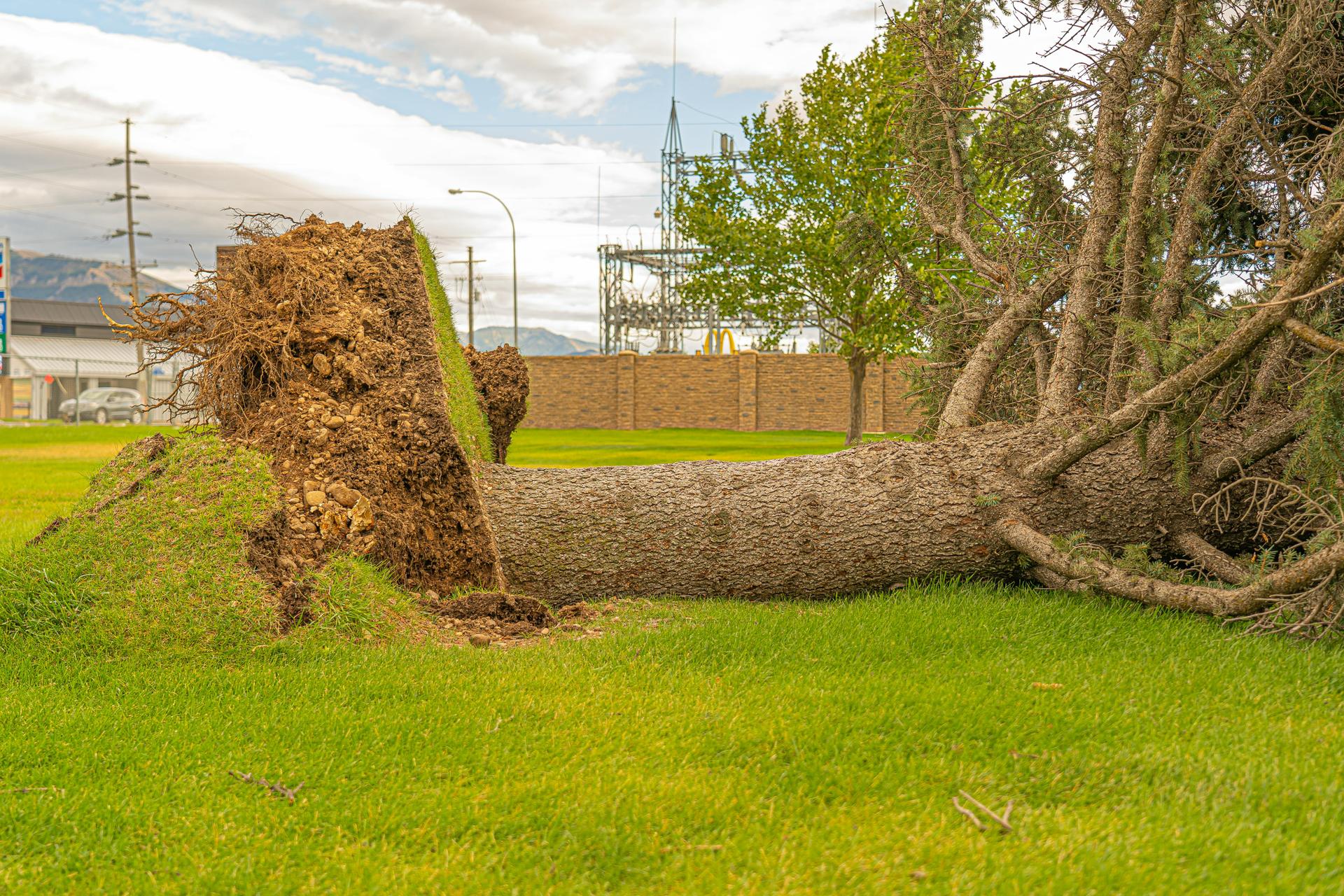
- Trees leaning or uprooted after storms
Once the root system lifts from the ground, the tree can fall without warning.
- Cracked or split limbs hanging in the canopy
These “widowmaker” limbs are extremely dangerous and unpredictable.
- Branches resting on or entangled with power lines
This creates an electrical hazard and requires immediate professional coordination.
- Storm-damaged trees with unstable trunks
These can collapse even hours after the storm has passed.
If any of these situations apply, your property requires rapid, professional assistance—not a standard appointment several days later.
Why Timing Matters: The Real Risks of Waiting
Tree failures rarely get better on their own. In many cases, delaying service increases the chance of:
- Structural collapse of roofs, porches, or fences
- Water intrusion from roof damage
- Electrical hazards if limbs fall onto utility lines
- Injury to family members, neighbors, or pets
- Liability issues if the tree blocks public access or falls onto adjacent property
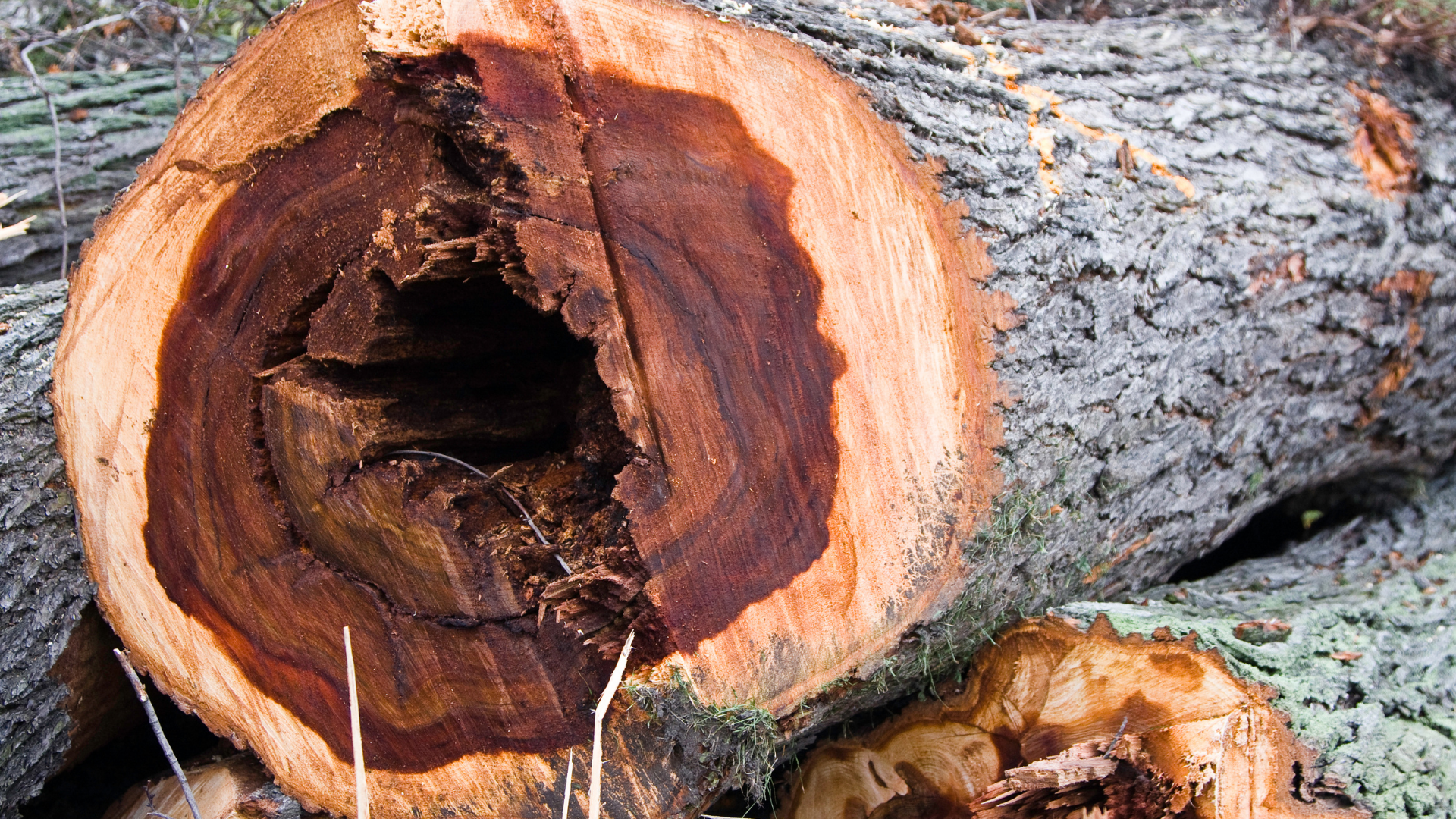
- Secondary falling events, where part of a tree fails later due to internal weakness
- Blocked emergency exits, preventing escape during a crisis
Winter storms, nor’easters, and summer thunderstorms are especially unpredictable in the Northeast, which is why round-the-clock availability is so important.
What 24/7 Emergency Tree Service Includes
True emergency service requires more than someone answering the phone at night. A professional company must be prepared to mobilize trained crews, equipment, and safety specialists at any hour.
Tree State Property Maintenance provides full-spectrum emergency response, which includes the following steps:
1. Immediate Response, Day or Night
Whether you call at 2 p.m. or 2 a.m., your situation is evaluated immediately. A trained team member assesses the urgency, gathers key details, and dispatches a crew equipped for emergency work.
Unlike some companies that offer “next business day” emergency appointments, 24/7 service means:
- Live support at all hours
- Mobilization on nights, weekends, and holidays
- Prioritized response for dangerous or blocked-access situations
- Real-time updates as the crew heads your way
In severe cases—especially for calls in Delaware County or nearby towns—arrival may be within
one hour, depending on weather and accessibility.
2. On-Site Evaluation and Hazard Mitigation
Before any cutting begins, professionals perform a
safety assessment to secure the site. Emergency tree work is often performed in hazardous conditions, such as:
- Wet ground
- Unstable limbs
- Active storm debris
- Snow or ice
- Poor visibility
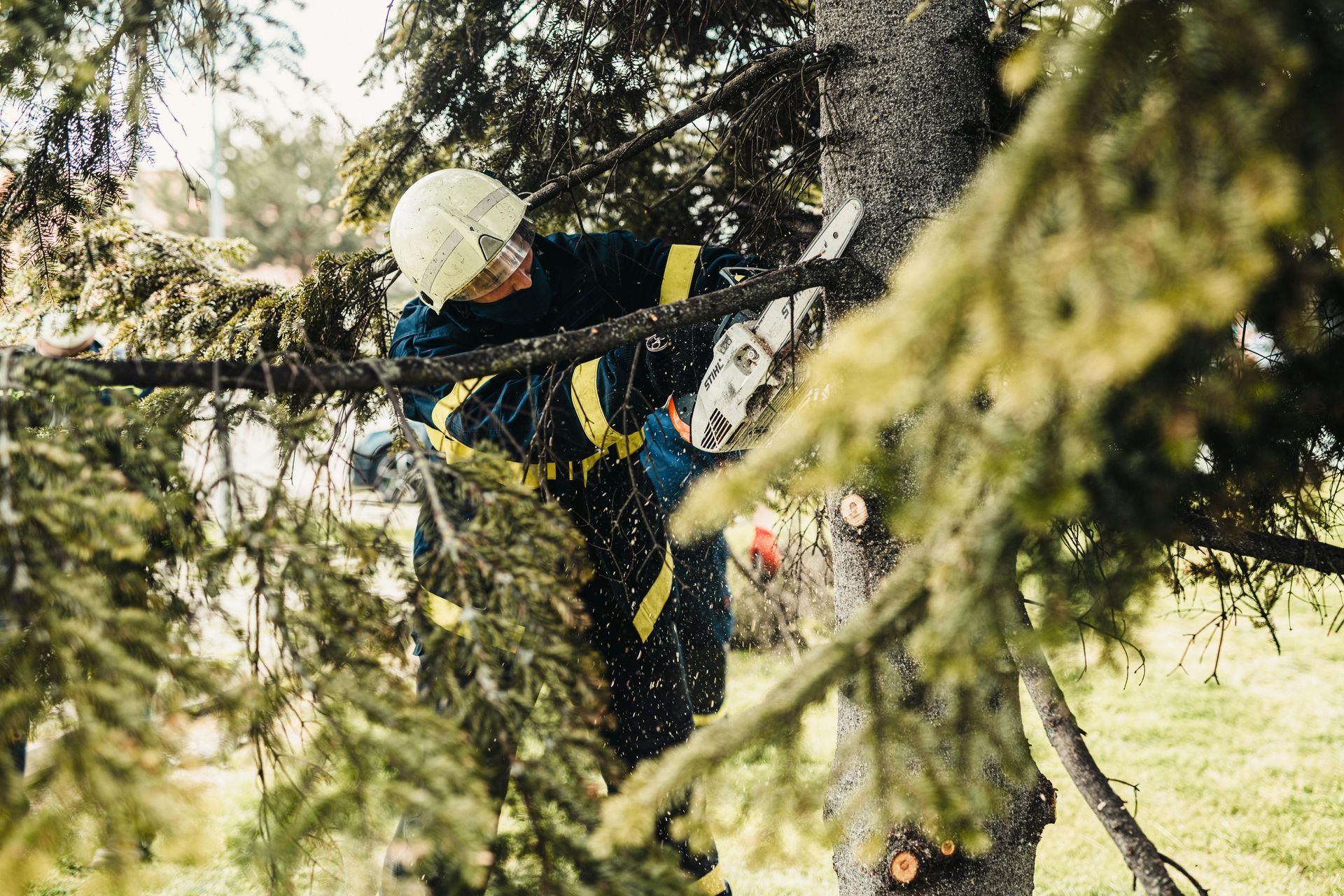
Crews quickly determine the safest strategy and take actions such as:
- Removing hanging or split limbs
- Stabilizing leaning trees with ropes or supports
- Marking off danger zones
- Addressing immediate threats to people or structures
- Tarping exposed areas of your roof if the home has been compromised
Hazard mitigation prevents additional damage while the full removal is planned.
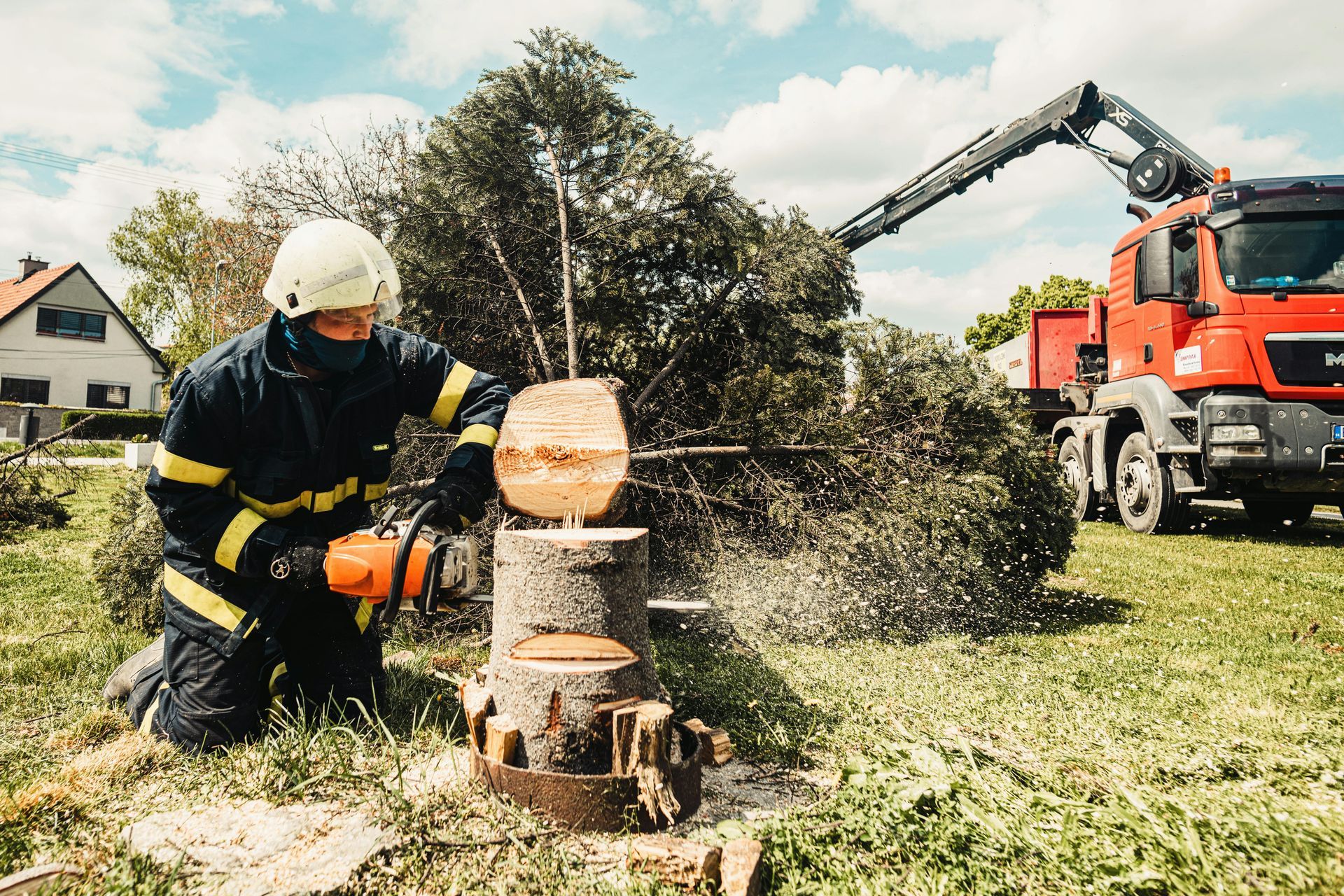
3. Safe Tree and Limb Removal
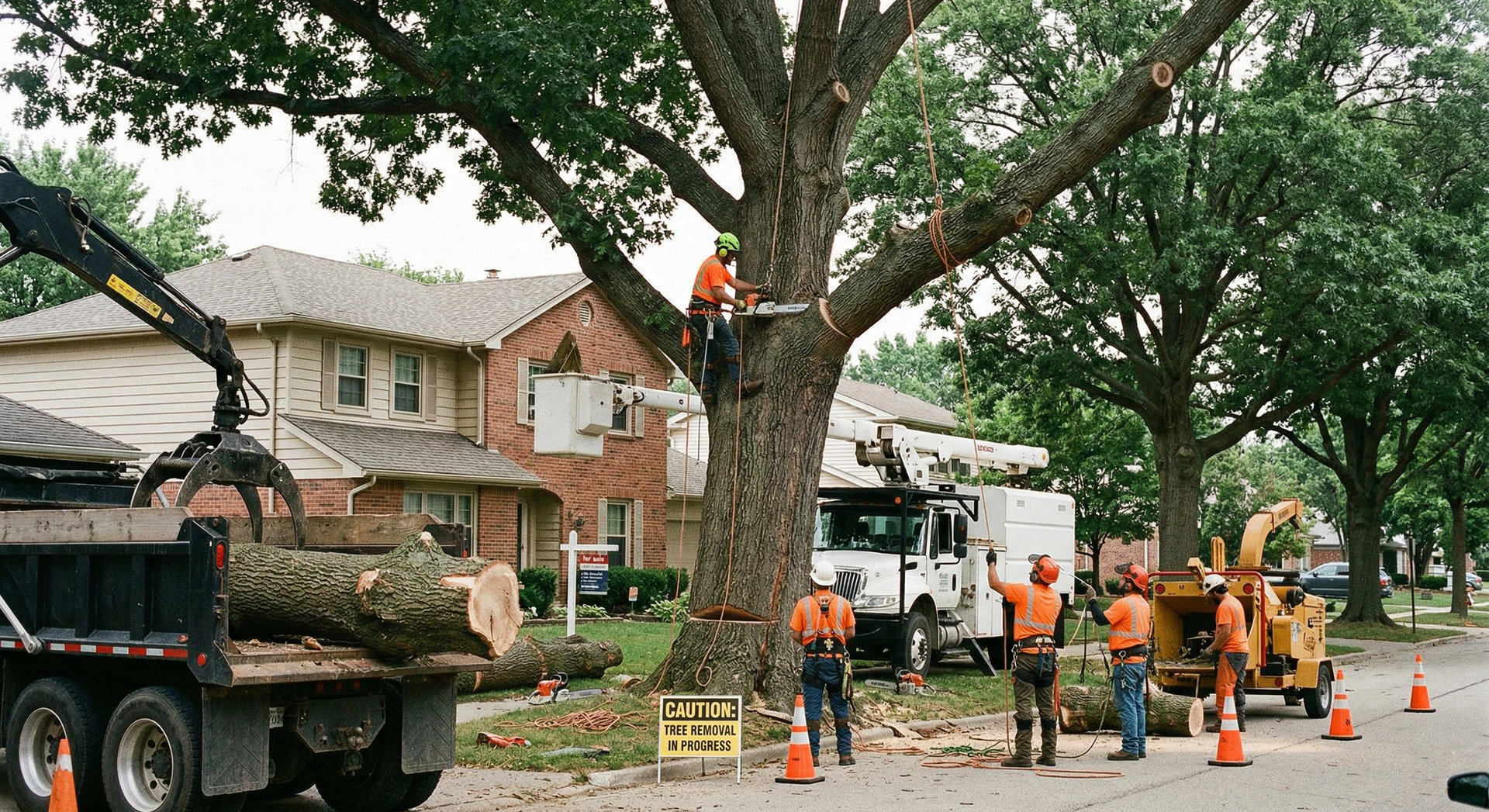
Emergency removals are different from routine tree service. They often involve:
- Cranes
- Rigging and lowering systems
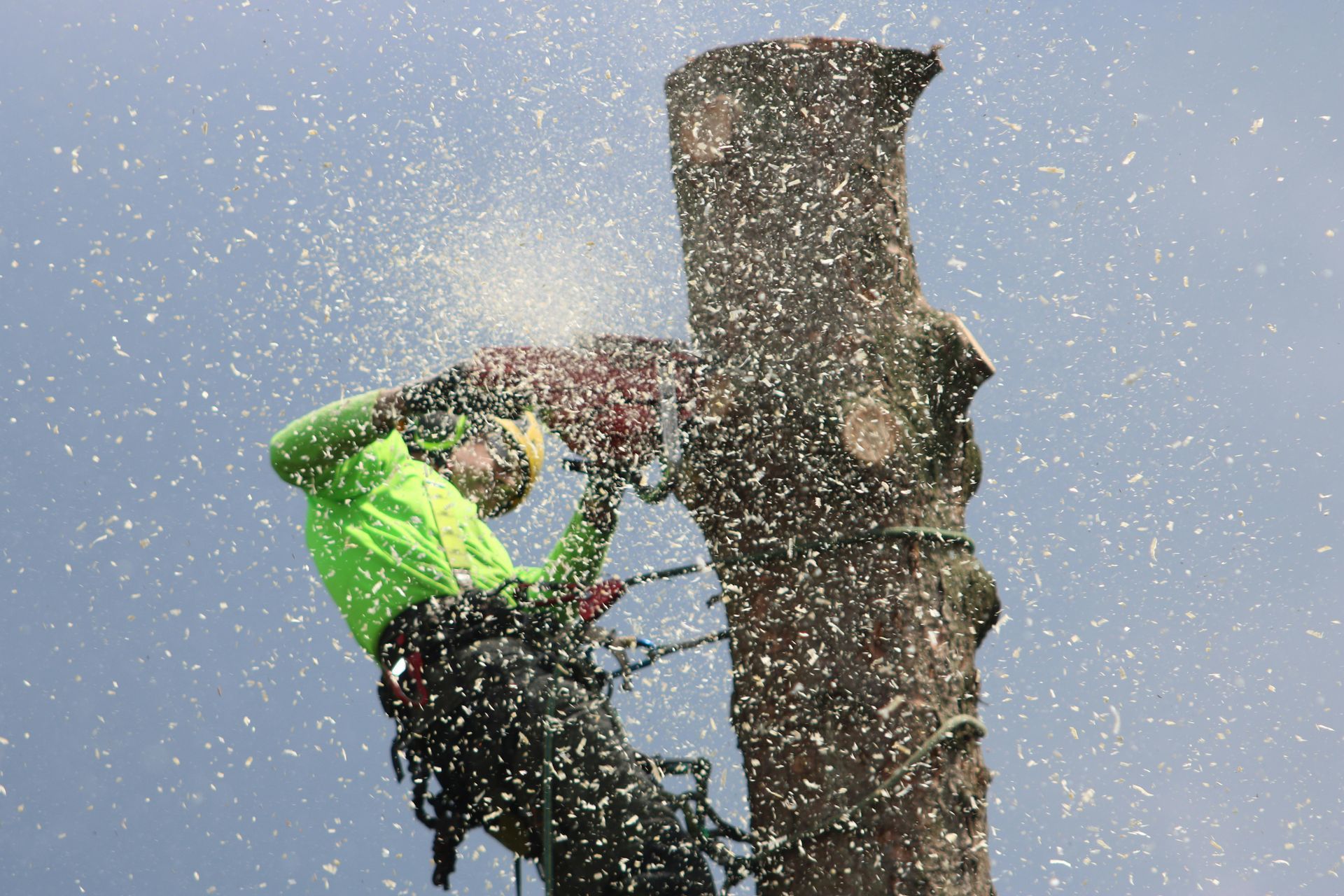
- Climbing gear
- Rope-operated cutting
- Load-bearing slings
- Specialized saws and ground equipment
Depending on the situation, trees may need to be:
- Disassembled piece by piece
- Lifted by crane off a roof or vehicle
- Lowered in controlled sections to avoid impact
- Cut away from power lines in coordination with utility companies
Each action is designed to minimize secondary damage. When a tree falls onto a structure, careful removal is essential to avoid worsening the impact or causing the roof to collapse further.
4. Cleanup, Hauling, and Optional Restoration
Once the tree is safely removed, the remaining work includes:
- Full debris cleanup
- Hauling away logs, branches, and brush
- Stump grinding (available upon request)
- Clear access to driveways, walkways, and doors
- Site leveling if the ground has been disturbed
If a homeowner is filing an insurance claim, the crew can also provide:
- Photographic documentation
- Measurements
- Impact details
- Written service reports
- Direct communication with adjusters
This support helps streamline claims and ensures you receive proper compensation.
What Makes Emergency Tree Service More Complex Than Standard Removal
Emergency work often occurs in conditions that demand specialized expertise. Hazards may include:
- Active electrical lines
- Unstable trees or partial failures
- High-risk cuts above homes
- Storm-soaked or frozen ground
- Reduced visibility
- Confined spaces
- Carbon monoxide risks from generators during outages
Because of these variables, emergency tree crews undergo advanced training in:
- Rigging under pressure
- Weight-load calculations
- Hazard analysis
- Structural protection
- After-hours safety protocols
A homeowner—or an untrained contractor—simply cannot manage these risks safely.
Why 24/7 Service Matters in the Tri-State Area
The Northeast experiences year-round weather conditions that can rapidly create tree hazards:
Summer & Fall
- Hurricanes
- Thunderstorms
- Tornadoes and microbursts
- Lightning strikes
Winter
- Nor’easters
- Ice storms
- Heavy wet snow
- High winds
Spring
- Saturated soil leading to uprooted trees
- Sudden wind gusts before full leaf-out
Fast response is crucial for preventing:
- Roof leaks and interior water damage
- Frozen pipes caused by open roof sections in winter
- Blocked driveways, preventing access to work or school
- Vehicle damage
- Branch shedding, where additional limbs fall after the initial storm
- Insurance complications, when documentation is not collected promptly
Tree State Property Maintenance is equipped to respond quickly in
Delaware County (PA), Southern New Jersey, and Northern Delaware, even during unpredictable weather.
How to Know If You Need Emergency Service
Ask yourself these questions:
- Is a tree or branch touching my home, roof, or siding?
- Has a tree fallen and is blocking my driveway or entrance?
- Is the tree uprooted or leaning dramatically?
- Are branches hanging overhead and likely to fall?
- Is the tree touching or near power lines?
- Could waiting worsen the damage or create danger?
If the answer is “yes” to any of these, emergency service is recommended.
FAQs About 24/7 Emergency Tree Removal
How fast can you respond?
In many cases, arrival is within
hours. For high-risk situations or properties close to our service area in Delaware County, same-hour response is often possible.
Does insurance cover emergency tree removal?
Generally, yes—if the tree
damaged a covered structure, like a home, garage, or fence. Insurance often covers removal, repairs, and even tarping. Crews provide documentation to support your claim.
What about trees on power lines?
Do not approach them. Contact your utility company or 911 immediately. After the lines are cleared or deemed safe, our team can handle the removal.
Can emergency work happen during a storm?
If the environment is too dangerous—high winds, lightning, or active icefall—crews may stabilize the area first, then complete removal when conditions are safe.
Reaching Out for Assistance
When you face a tree emergency, rapid help can make all the difference. Tree State Property Maintenance is ready at all hours to secure your property, remove dangerous or fallen trees, and restore safety after storms. Homeowners throughout Pennsylvania, New Jersey, and Delaware rely on our crews for fast response and safe, professional emergency service.
If you need immediate help—day or night—you can reach Tree State Property Maintenance at
610-338-5008 or submit an emergency request online at:
https://www.treestatepm.com/contact