Trees add beauty, shade, and value to your property—but when a tree begins to decline, it can quickly become a serious safety hazard. Many homeowners assume trees will “bounce back” on their own, but in reality, trees often show visible warning signs long before they fail. In Pennsylvania, New Jersey, and Delaware, where mature trees, unpredictable storms, and seasonal stress are common, failing to recognize these signs can result in costly property damage or dangerous emergencies.
Understanding how to tell if a tree is dead or dying allows you to act early, protect your home, and make informed decisions about pruning, treatment, or removal. This guide explains the most reliable signs of tree decline, what causes trees to die, and when removal is the safest option.
Why Identifying a Dying Tree Early Matters
A declining tree is not just a landscaping concern—it’s a liability. As internal decay progresses, a tree becomes increasingly unstable. Dead wood loses flexibility, roots weaken, and the tree’s ability to withstand wind, snow, and ice is compromised.
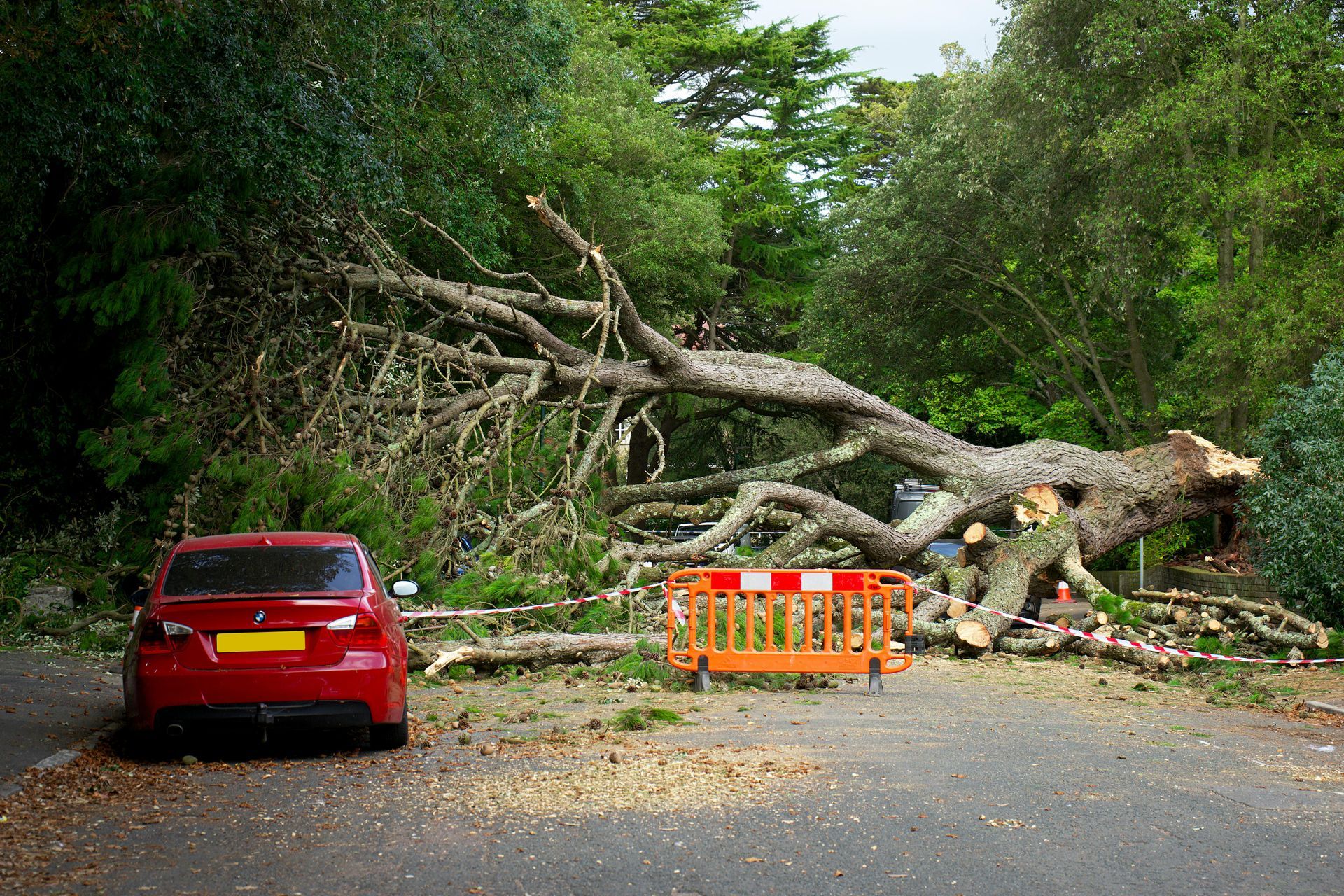
Failing trees are responsible for:
- Roof and siding damage
- Crushed vehicles
- Broken fences and decks
- Blocked driveways and roads
- Injuries to people and pets
- Power outages from downed lines
Early identification allows homeowners to schedule controlled removal instead of dealing with emergency response during storms, when costs and risks are significantly higher.
Common Causes of Tree Decline in the Northeast
Before looking at symptoms, it’s helpful to understand why trees die in the first place. In PA, NJ, and DE, the most common causes include:
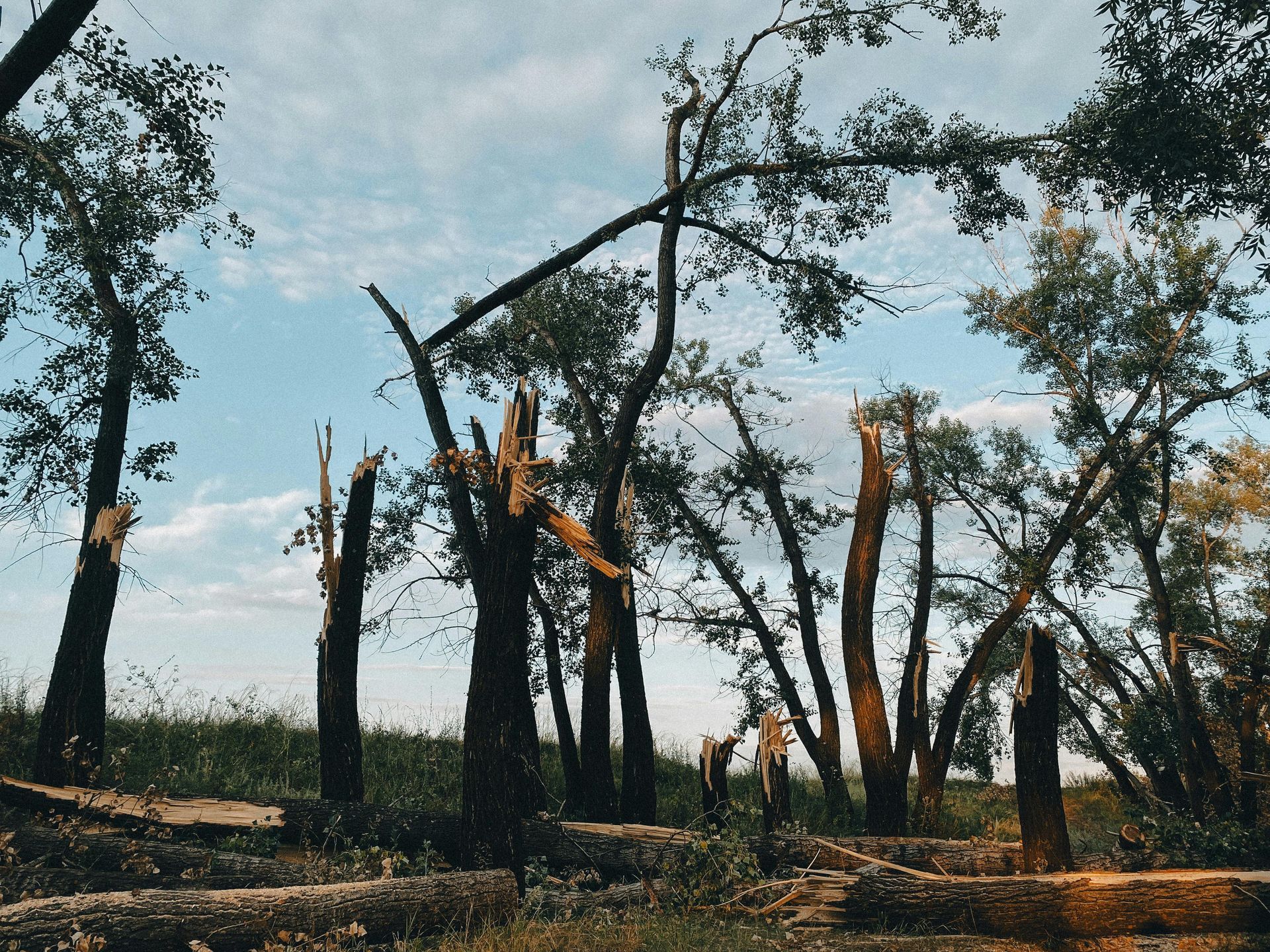
- Storm damage from wind, lightning, or ice
- Root damage from construction or soil compaction
- Pest infestations, including borers and beetles
- Fungal or bacterial disease
- Drought stress or flooding
- Poor planting location or lack of space
- Old age, especially in unmanaged landscapes
Often, decline is caused by a combination of these factors rather than a single event.
Visible Signs a Tree May Be Dying
1. Sparse, Uneven, or Missing Leaves
One of the earliest and most noticeable signs of tree decline is abnormal leaf growth. Healthy trees produce full, evenly distributed foliage during the growing season.
Warning signs include:
- Sections of the canopy that never leaf out
- Leaves appearing only on one side of the tree
- Smaller-than-normal leaves
- Yellowing or browning leaves during early summer
- Premature leaf drop
In the Northeast, a tree that remains mostly bare well into late spring is often already dead or beyond recovery.
2. Dead or Brittle Branches
Dead branches are a major red flag. Unlike healthy limbs, dead branches:
- Snap cleanly instead of bending
- Feel dry or hollow
- Often fall without warning
If dead branches are present throughout the canopy—especially in the upper sections—the tree’s internal structure is likely failing.
3. Peeling, Cracked, or Missing Bark
Bark protects a tree’s vascular system, which transports water and nutrients. Significant bark damage disrupts this system and exposes the tree to disease and pests.
Signs of serious bark problems include:
- Large sections of bark peeling away
- Long vertical strips of missing bark
- Deep cracks in the trunk
- Exposed wood that looks dry or brittle
Once bark loss becomes extensive, recovery is unlikely.
4. Fungal Growth at the Base or on the Trunk
Mushrooms, conks, or shelf fungi growing at the base of a tree are often signs of internal rot. These fungi feed on decaying wood inside the trunk or roots, weakening the tree from the inside out.
This type of decay cannot be reversed and significantly increases the risk of sudden failure.
5. Leaning or Sudden Changes in Position
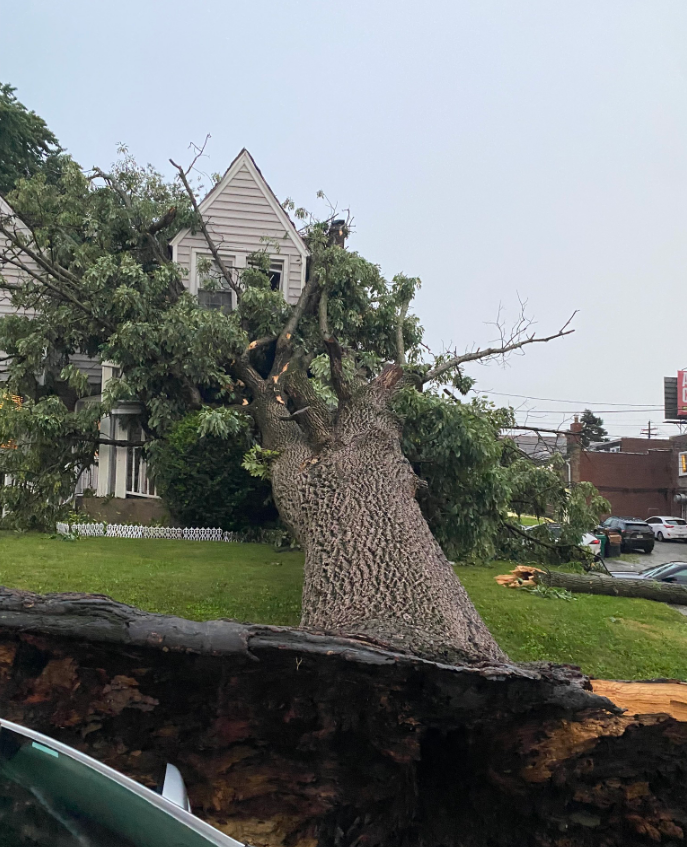
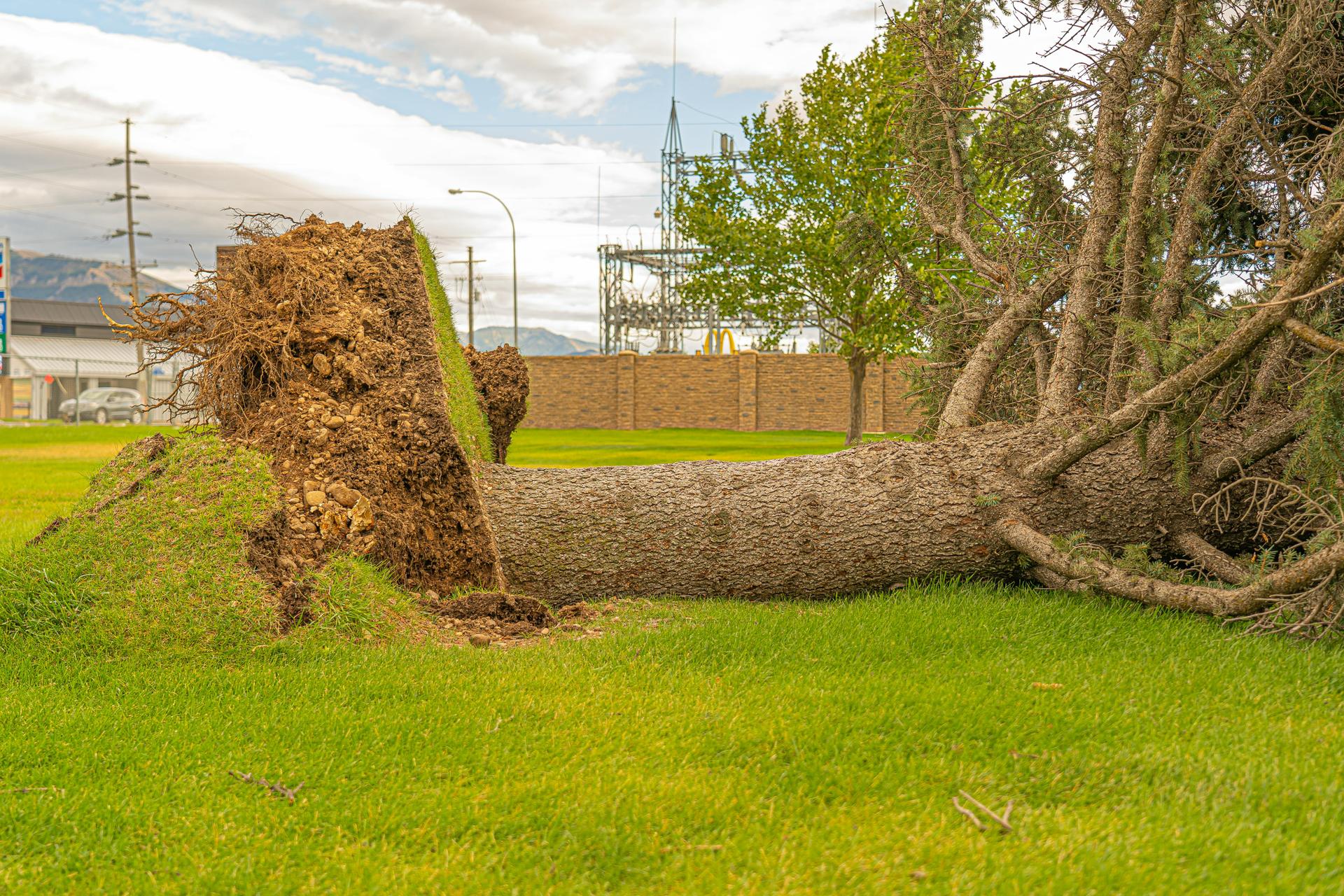
A tree that begins leaning suddenly—especially after a storm—often has root failure. This is one of the most dangerous conditions, as uprooted trees can fall without warning.
Signs include:
- Soil lifting or cracking around the base
- Exposed roots
- A tree that shifts after wind or rain
Trees with compromised root systems rarely recover and typically require removal.
Below-Ground Signs of Tree Decline
Many serious tree problems start below the surface, where homeowners don’t usually look.
Root-related warning signs include:
- Mushy or waterlogged soil near the trunk
- Sinkholes or depressions near roots
- Exposed roots that appear decayed
- Reduced stability during mild winds
Root damage often results from nearby construction, trenching, or long-term soil compaction.
The Scratch Test: A Simple Check
For smaller branches, a scratch test can help determine whether tissue is alive.
How to perform it:
- Lightly scrape the bark with a fingernail or knife
- Green, moist tissue underneath indicates life
- Brown, dry tissue suggests dead wood
If several branches fail the scratch test, the tree may be in advanced decline.
Dead vs Dying Trees: Understanding the Difference
A
dying tree still has some living tissue but is declining due to stress, disease, or damage. In some cases, corrective pruning or treatment can slow decline if caught early.
A
dead tree has no living tissue and will not recover.
General guidelines used by professionals:
- Less than 25% dead canopy: tree may recover
- 25–50% dead canopy: high risk, professional evaluation needed
- More than 50% dead canopy: removal usually recommended
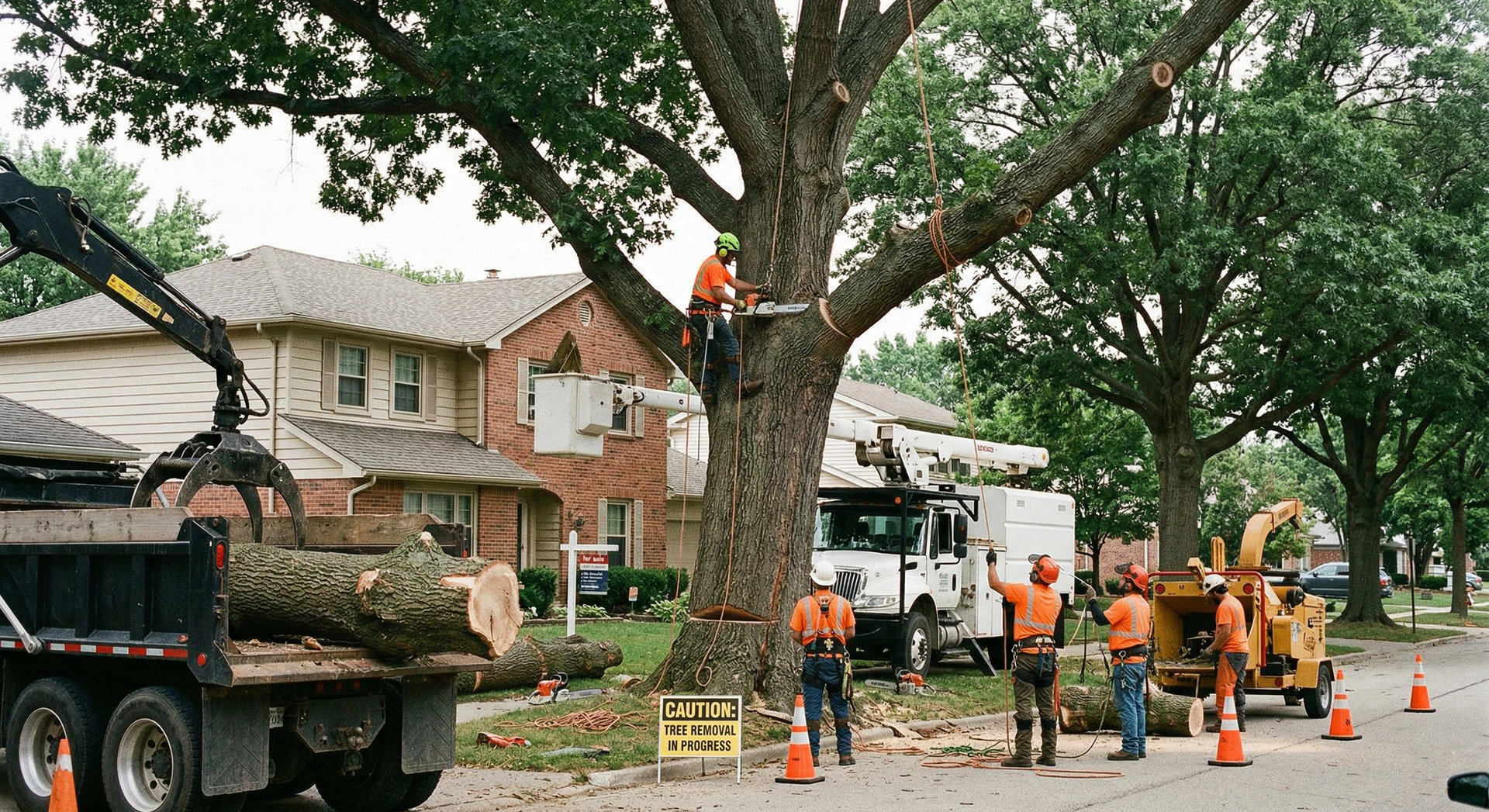
When Tree Removal Is the Safest Option
Tree removal is typically necessary when:
- The tree is completely dead
- Large dead limbs are present
- Structural integrity is compromised
- The tree leans toward a structure
- The tree is near power lines, roads, or neighboring property
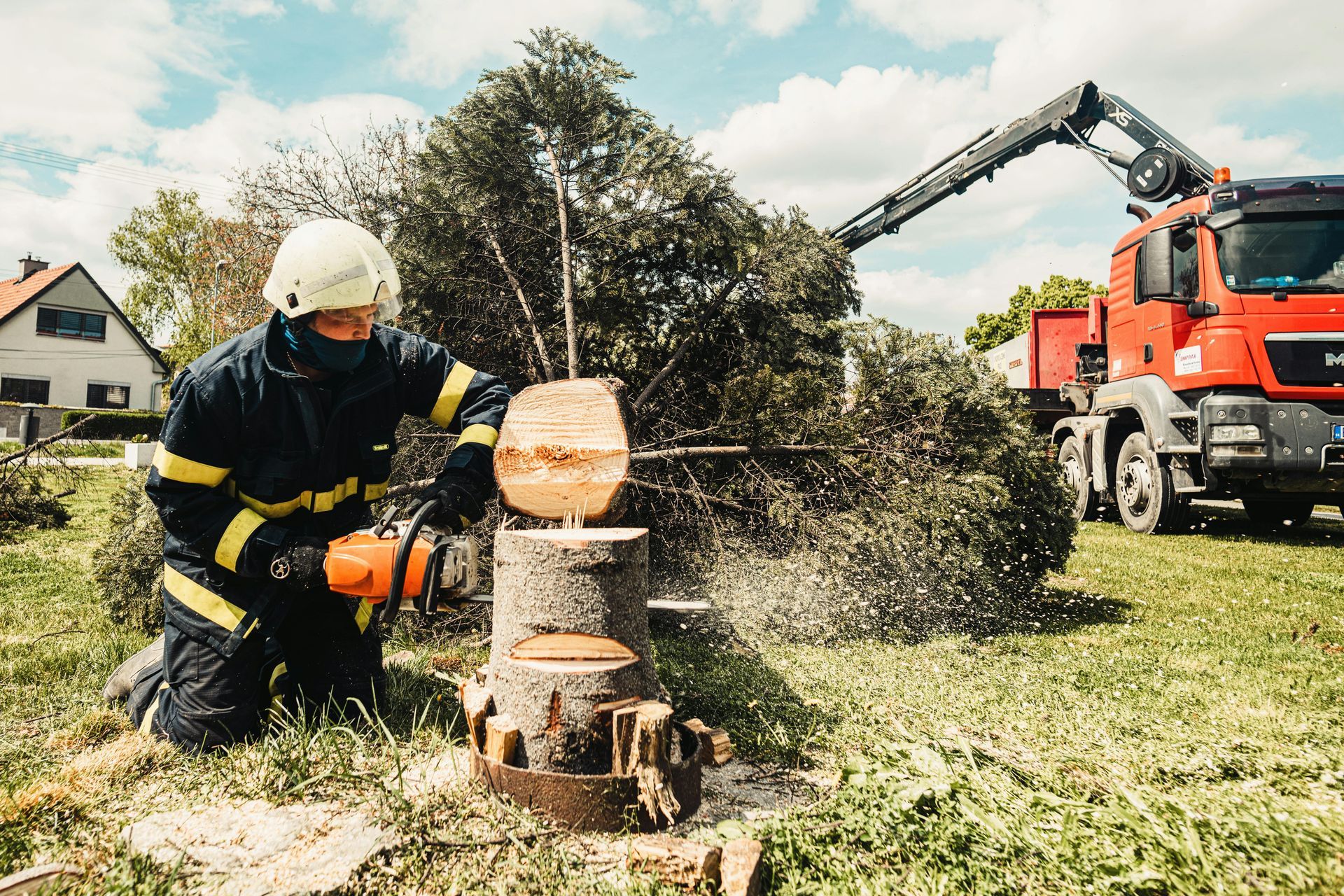
Dead and dying trees are unpredictable, especially during wind or snow events. Removing them proactively reduces risk and often costs less than emergency removal.
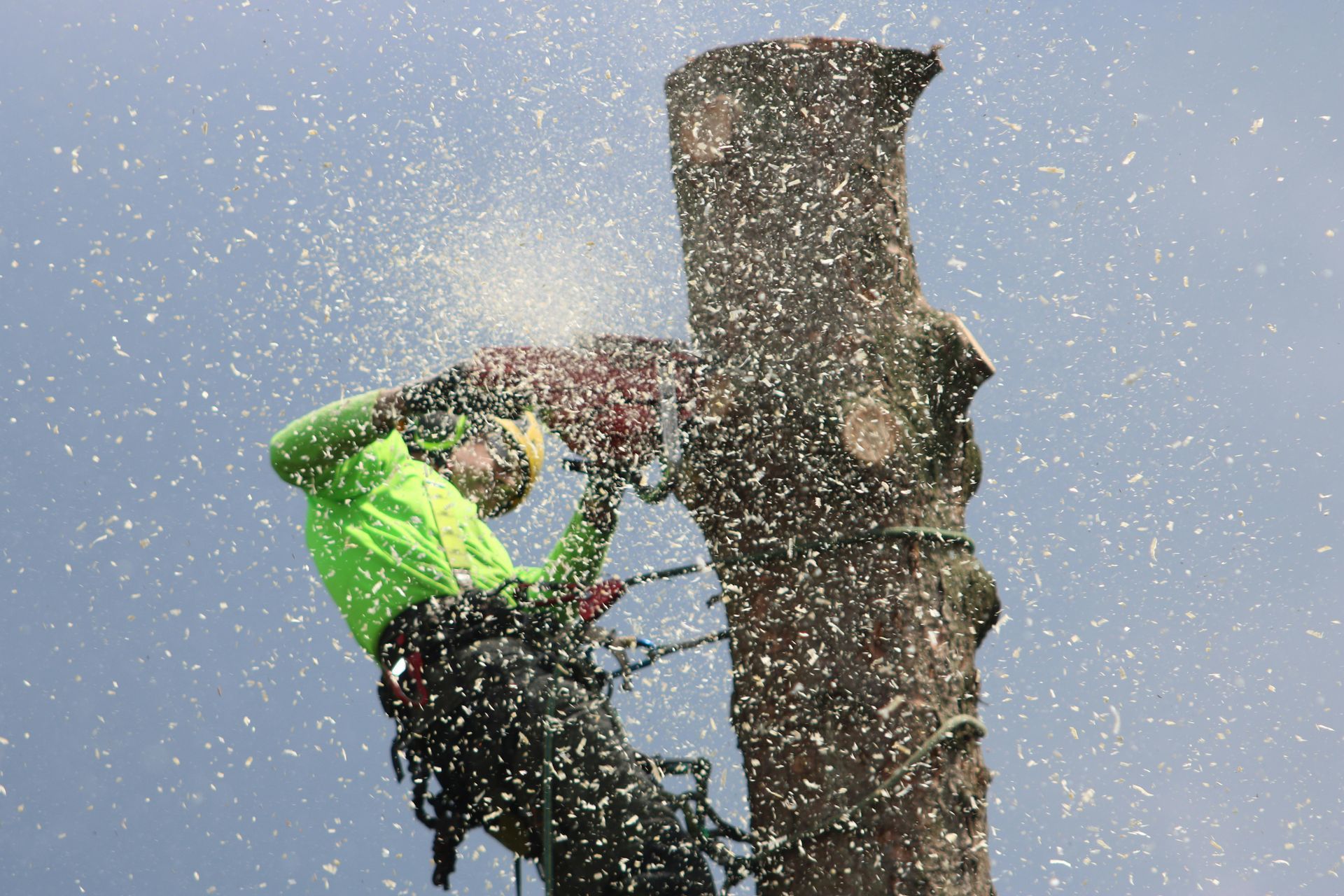
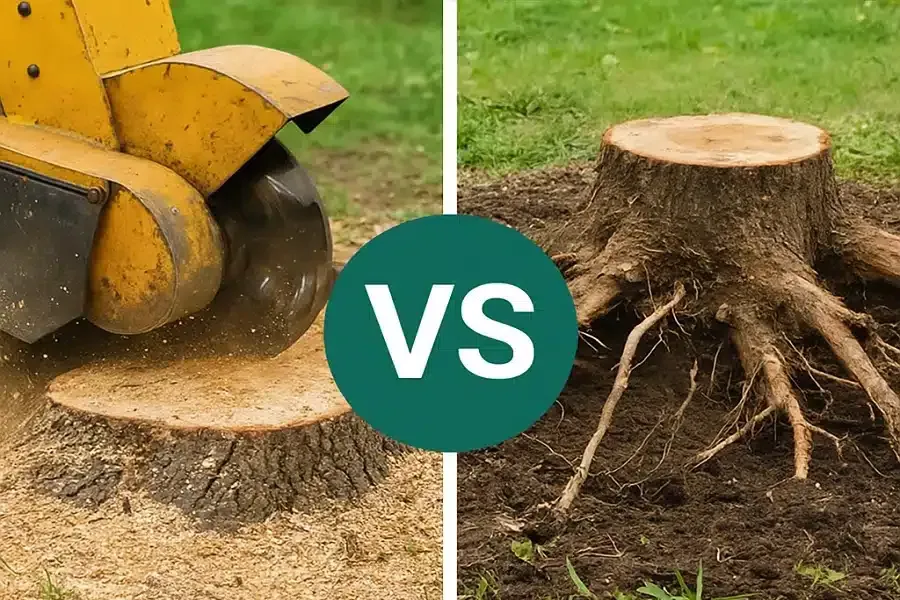
Tree State Property Maintenance provides licensed, insured tree removal across Pennsylvania, New Jersey, and Delaware, with full cleanup and optional stump grinding.
Frequently Asked Questions
Can a dead tree fall even without a storm?
Yes. Dead trees can fail during calm conditions due to internal decay.
Are dead trees more expensive to remove?
Often yes, because brittle wood increases safety risks and requires more controlled removal.
Will insurance cover removal of a dead tree?
Usually only if the tree damages a covered structure.
Why Professional Evaluation Matters
Determining whether a tree is dead or dying is not always straightforward. Professional assessments consider:
- Structural strength
- Root stability
- Disease and decay
- Risk to surrounding property
Tree State Property Maintenance offers expert evaluations to help homeowners make safe, informed decisions before problems escalate.