How Tree Roots Can Damage Your Property
Trees provide shade, privacy, and curb appeal, but their root systems can cause serious and expensive problems when they grow too close to structures or underground utilities. Many homeowners focus on what they see above ground and overlook what’s happening below the surface—where tree roots are constantly expanding in search of water, oxygen, and nutrients.
In Pennsylvania, New Jersey, and Delaware, older neighborhoods often feature mature trees planted decades ago, long before modern foundations, sewer lines, and hardscaping were considered. As these trees grow, their roots can interfere with foundations, sidewalks, driveways, patios, and even plumbing systems.
Understanding how tree roots grow, the types of damage they can cause, and when professional intervention is needed can help homeowners prevent costly repairs and protect their property.
How Tree Roots Grow and Spread
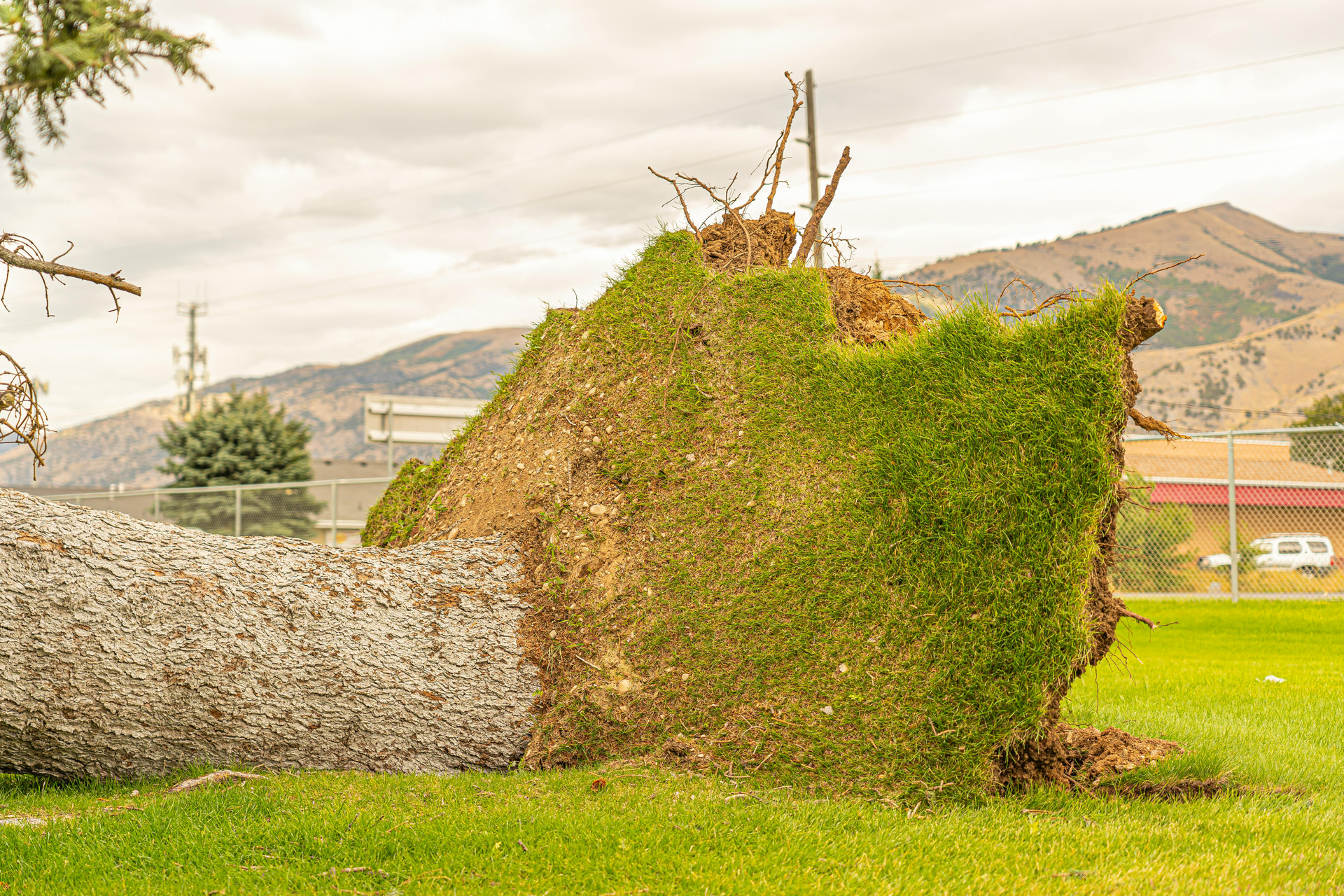
A common misconception is that tree roots grow straight down. In reality, most roots grow
horizontally, spreading outward far beyond the tree’s canopy.
Key facts about root growth:
- Most tree roots are found in the top 12–24 inches of soil
- Roots can extend 2–3 times the width of the canopy
- Roots grow toward moisture and oxygen, not necessarily away from structures
- Larger, older trees have extensive root systems
Roots are not actively “seeking to damage” structures, but they will exploit weak points, cracks, and loose soil wherever they find them.
Common Ways Tree Roots Damage Property
1. Foundation Damage
Tree roots can cause foundation problems in several ways, especially in older homes.
How Roots Affect Foundations
- Roots absorb moisture from the soil, causing soil shrinkage
- Uneven soil moisture can lead to foundation settling
- Roots can exert pressure on foundation walls
- Existing cracks can widen as roots grow
While roots don’t usually break solid concrete on their own, they can significantly worsen existing weaknesses.
Warning Signs
- Cracks in foundation walls
- Uneven floors
- Doors or windows sticking
- Gaps between walls and ceilings
Foundation damage is one of the most expensive issues caused by tree roots and should never be ignored.
2. Sidewalk, Driveway, and Patio Damage
One of the most visible signs of root damage is lifted or cracked concrete.
Why Hardscapes Are Vulnerable
- Roots grow just below the surface
- As roots thicken, they push upward
- Concrete slabs are lifted and cracked over time
This can lead to:
- Tripping hazards
- Vehicle damage
- Code violations
- Costly replacement projects
Municipalities may even require homeowners to repair damaged sidewalks adjacent to their property.
3. Damage to Underground Plumbing and Sewer Lines
Tree roots are strongly attracted to moisture. Even small leaks in underground pipes can draw roots toward them.
How Roots Invade Pipes
- Roots enter through tiny cracks or joints
- Once inside, they expand and block flow
- Pipes can crack further under root pressure
This is especially common in older homes with clay or cast iron sewer lines.
Signs of Root Intrusion
- Slow drains
- Frequent clogs
- Gurgling sounds in pipes
- Sewage backups
Ignoring root-related plumbing issues can lead to major repairs and health hazards.
4. Damage to Septic Systems
For homes with septic systems, tree roots can cause serious complications.
Roots may:
- Infiltrate septic pipes
- Damage tanks
- Interfere with drain fields
Certain tree species are particularly aggressive and should never be planted near septic systems.
5. Impact on Retaining Walls and Hard Landscaping
Roots growing near retaining walls, stonework, or landscaping features can push materials out of alignment.
This can cause:
- Wall bulging or cracking
- Shifting pavers
- Drainage problems
- Soil erosion
Once roots begin to disturb these structures, repairs can become complex and costly.
Tree Species Most Likely to Cause Root Damage
Some trees are more aggressive than others due to fast growth and extensive root systems.
High-risk species common in the Northeast include:
- Silver maple
- Willow
- Poplar
- Elm
- Ash
- Sycamore
This doesn’t mean these trees are bad—but they require careful placement and maintenance.
How Close Is Too Close? Tree Placement Guidelines
As a general rule:
- Small trees should be planted at least 10–15 feet from structures
- Medium trees should be 20–30 feet away
- Large trees may need 40 feet or more of clearance
Many older properties do not meet these guidelines, which is why root damage becomes an issue years later.
Early Warning Signs of Tree Root Problems
Catching root damage early can prevent major repairs.
Look for:
- Raised or cracked concrete
- Foundation cracks near trees
- Soil heaving around hardscapes
- Repeated plumbing issues
- Trees leaning toward structures
If multiple signs appear together, professional evaluation is recommended.
Can Root Damage Be Fixed Without Removing the Tree?
In some cases, yes—but it depends on severity.
Possible Solutions
- Root pruning
- Installation of root barriers
- Structural pruning of the canopy
- Soil management
However, cutting roots improperly can destabilize the tree and create new hazards. Root work should always be handled by professionals.
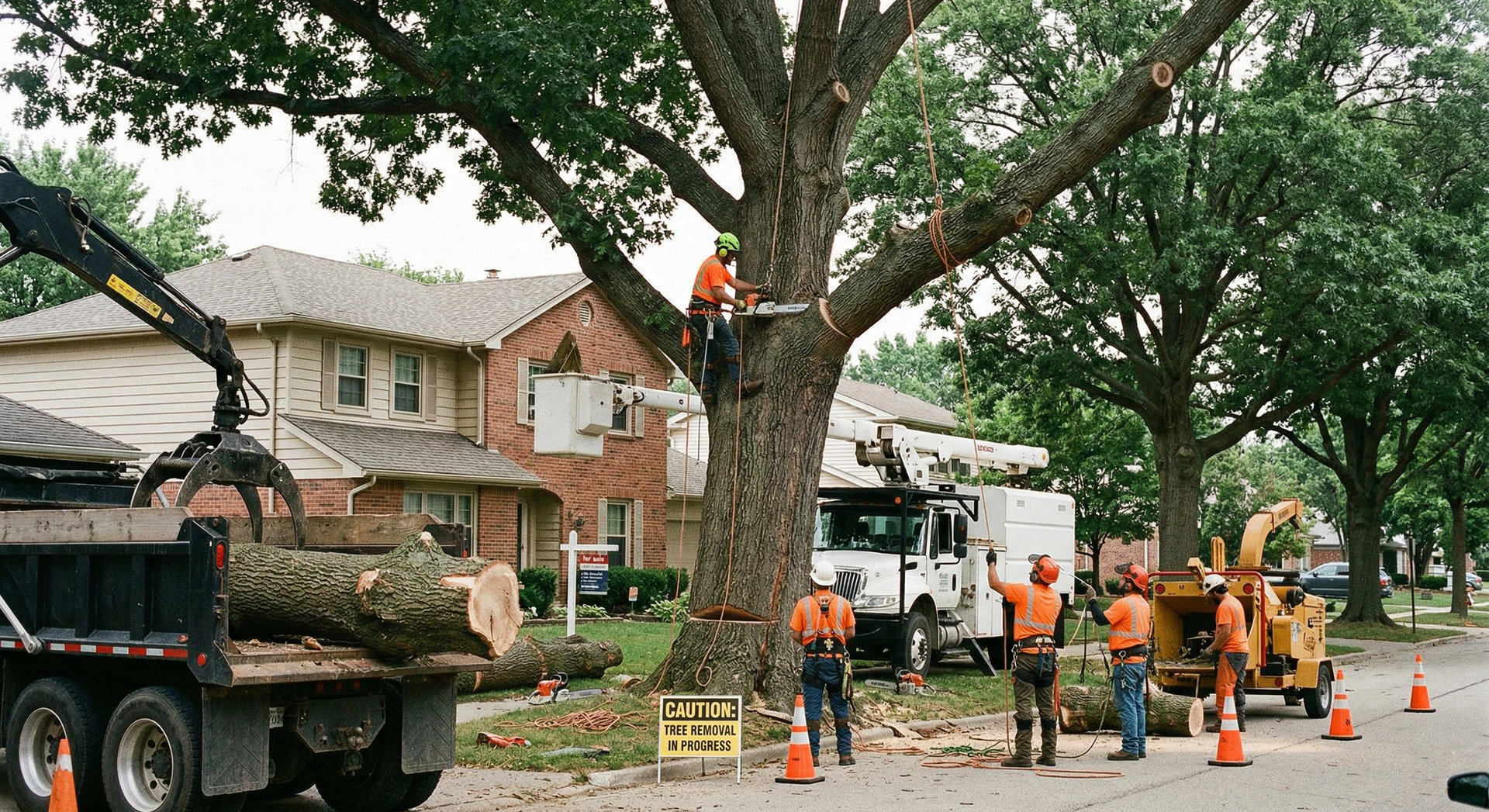
When Tree Removal Becomes Necessary
Tree removal may be the safest option when:
- Roots are causing structural damage
- The tree is too close to the foundation
- Root pruning would compromise stability
- Repeated repairs are becoming costly
Removing a problematic tree early can prevent long-term damage and expense.
Why DIY Root Cutting Is Dangerous
Cutting roots without proper knowledge can:
- Cause the tree to fall
- Kill the tree slowly
- Lead to unexpected failure during storms
Professionals understand how much root mass can be safely removed and when removal is the better option.
Preventing Future Root Damage
Homeowners can reduce risk by:
- Choosing appropriate tree species
- Planting trees at proper distances
- Scheduling regular tree inspections
- Addressing early warning signs promptly
- Removing problematic trees before damage escalates
Preventive care is far less expensive than repairing foundations or sewer lines.
Professional Evaluation Makes the Difference
Tree-related property damage often involves both visible and hidden factors. A professional assessment evaluates:
- Tree health and size
- Root spread and risk areas
- Proximity to structures
- Long-term safety concerns
Tree State Property Maintenance works with homeowners across Pennsylvania, New Jersey, and Delaware to identify root-related risks and recommend safe, effective solutions.
Frequently Asked Questions
Can tree roots break concrete?
Roots usually exploit existing weaknesses, but over time they can lift and crack concrete slabs.
Will removing a tree stop root damage immediately?
Yes, root growth stops once the tree is removed, though existing roots take time to decompose.
Are root barriers always effective?
They can help in some cases, but they are not a solution for all situations.
Protecting Your Property Starts Below Ground
Tree roots are a powerful force beneath the surface. Understanding how they grow and the damage they can cause helps homeowners make smarter decisions about tree placement, maintenance, and removal.
If you suspect tree roots may be damaging your property, early professional evaluation can save thousands of dollars in repairs and prevent future safety risks.