Do I Need a Permit to Remove a Tree in Pennsylvania?

One of the most common questions Pennsylvania homeowners ask before removing a tree is whether a permit is required. The short answer is:
sometimes. Unlike some neighboring states, Pennsylvania does not have a single, statewide tree removal law. Instead, regulations vary by municipality, zoning district, property type, and even by tree location.
Because of this patchwork of rules, it’s easy for homeowners to assume a permit isn’t needed—only to discover later that they’ve violated a local ordinance. This guide explains when permits are required, when they are not, and how to make sure your tree removal project stays compliant in Pennsylvania.
Pennsylvania Tree Removal Laws: The Big Picture
At the state level, Pennsylvania generally allows property owners to remove trees on private residential property without a permit. However, this freedom is limited by local governments, homeowners associations, and special zoning or environmental protections.
Tree removal permits in Pennsylvania are most often governed by:
- Borough or township ordinances
- Zoning and land development codes
- Historic district regulations
- Environmental protection rules
- Homeowners association bylaws
As a result, permit requirements can differ dramatically from one town to the next.
When You Typically Do NOT Need a Permit in Pennsylvania
In many cases, homeowners can remove a tree without formal approval when all of the following apply:
- The tree is fully on private property
- The property is a single-family residence
- The tree is not within a protected zone
- The tree is not part of a development plan
- The tree is not located in the public right-of-way
For example, removing a dead or dangerous tree in a backyard in a standard residential neighborhood often does not require a permit.
That said, it’s never wise to assume. Local ordinances can add restrictions even in residential areas.
Situations Where a Permit May Be Required
1. Trees Near the Public Right-of-Way
Trees located near sidewalks, roads, or curbs are often considered part of the public right-of-way—even if they appear to be on your property.
In these cases:
- The tree may technically belong to the municipality
- Removal may require approval from public works
- Unauthorized removal can result in fines
Street trees almost always require a permit.
2. Trees in Historic Districts
If your home is located in a designated historic district, tree removal may be regulated to preserve neighborhood character.
Historic district rules often:
- Require permits for removal of mature trees
- Limit removal to dead or hazardous trees only
- Require documentation or arborist reports
Even pruning can be regulated in some districts.
3. Trees on Commercial or Multi-Family Properties
Commercial properties, rental properties, and multi-family developments are far more likely to face permit requirements.
Common triggers include:
- Tree size thresholds
- Parking lot landscaping requirements
- Buffer or screening regulations
- Stormwater management plans
In these cases, tree removal is often reviewed as part of zoning compliance.
4. Trees in Environmentally Sensitive Areas
Some Pennsylvania municipalities protect trees in:
- Floodplains
- Wetlands
- Stream buffers
- Steep slope areas
Removing trees in these zones may require:
- Environmental review
- State or county approval
- Mitigation or replanting
Unauthorized removal in protected areas can lead to serious penalties.
5. Trees Required by a Development or Landscaping Plan
If your property was developed under a land development plan, certain trees may be required to remain in place to meet zoning or stormwater requirements.
Removing these trees without approval can:
- Violate zoning codes
- Delay future permits
- Trigger replanting requirements
This is common in newer subdivisions and commercial sites.
Tree Size and Permit Thresholds
Unlike some states, Pennsylvania does not have a uniform trunk-size rule. However, some municipalities set their own thresholds.
For example:
- Trees over a certain diameter (often 24–36 inches) may be protected
- Heritage or landmark trees may require special approval
- Removal of multiple trees at once may trigger review
Always check your local ordinance before removing large or mature trees.
What About Dead or Dangerous Trees?
Most Pennsylvania municipalities allow dead, dying, or hazardous trees to be removed without a permit—or with an expedited process.
However, documentation is often required, such as:
- Photos of the damage
- A written assessment from a tree professional
- Evidence of storm damage
Removing a tree without proof that it was hazardous can still result in penalties if questioned later.
Storm-Damaged Trees and Emergency Removal
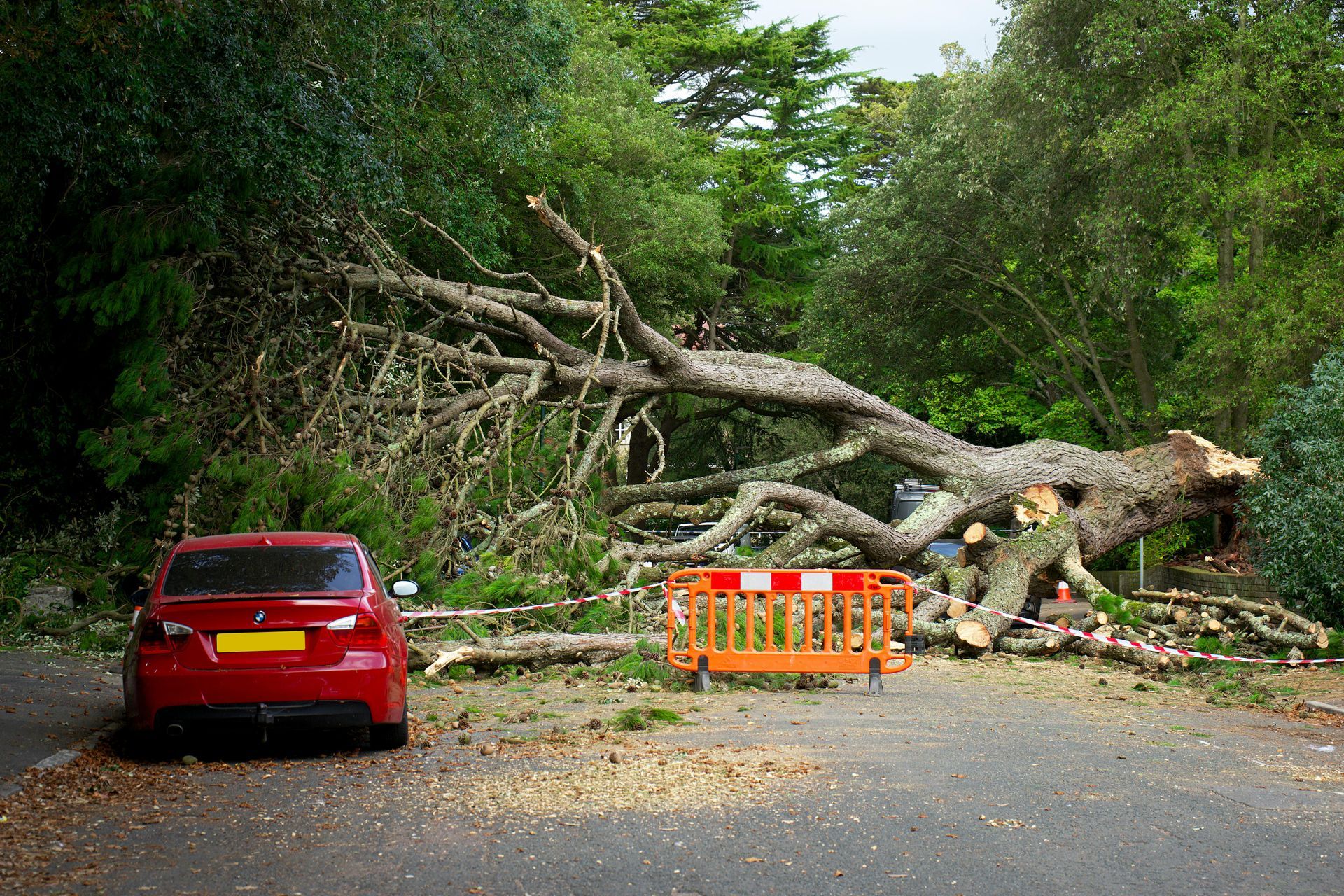
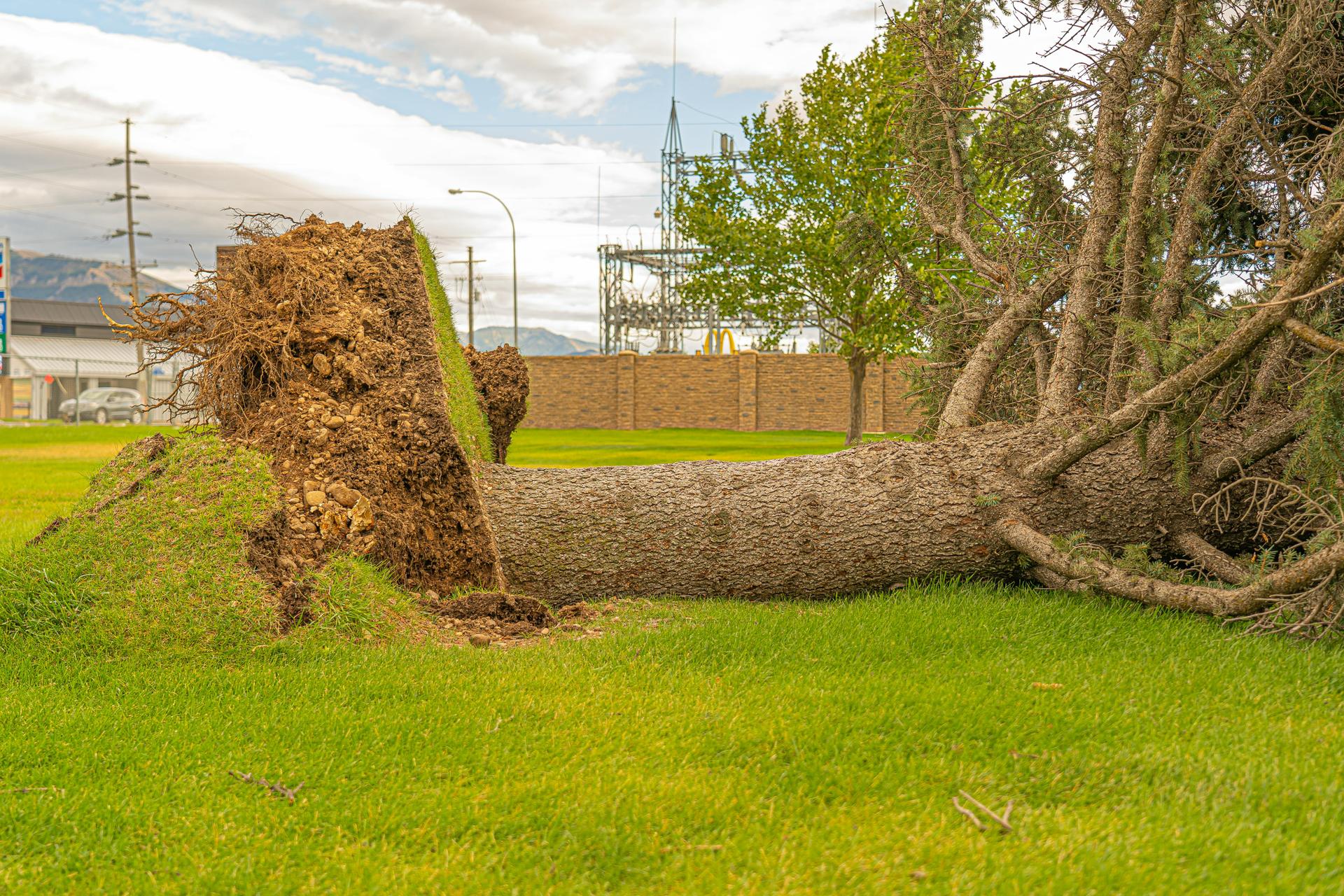
Emergency tree removal is usually exempt from standard permit rules, especially when a tree:
- Falls on a structure
- Blocks access or roadways
- Threatens immediate safety
That said, some municipalities require post-removal notification, meaning you must inform the town after the emergency work is completed.
Professional tree services can assist with documentation for these situations.
Penalties for Removing a Tree Without a Permit
If you remove a protected tree without approval, penalties may include:
- Fines ranging from hundreds to thousands of dollars
- Mandatory replanting
- Replacement tree requirements
- Delays or denials for future permits
- Legal action in severe cases
In some municipalities, fines increase based on tree size or number of trees removed.
How to Check If You Need a Permit
Before removing a tree, homeowners should take these steps:
1. Contact your township or borough office
Ask specifically about tree removal permits and ordinances.
2. Check zoning and planning department guidelines
Especially important for commercial or multi-family properties.
3. Review HOA rules if applicable
HOAs often have stricter requirements than municipalities.
4. Have a professional tree service evaluate the tree
Licensed services are familiar with local regulations and can guide you.
How a Professional Tree Service Helps With Permits
Experienced tree service companies don’t just remove trees—they help homeowners navigate local rules.
Professional assistance may include:
- Determining whether a permit is required
- Providing written tree assessments
- Supplying photos and documentation
- Coordinating with local officials
- Ensuring compliant removal methods
This reduces the risk of costly mistakes or delays.
Common Myths About Tree Removal Permits in PA
“It’s my tree, so I can remove it.”
Not always—local ordinances may override private ownership rights.
“Dead trees never need permits.”
Some municipalities still require documentation or notification.
“Permits are only for commercial properties.”
Residential properties can also be regulated, especially in special zones.
FAQs
Do I need a permit to remove a tree from my backyard?
Often no, but it depends on local ordinances and zoning.
How long does it take to get a permit if needed?
Anywhere from a few days to several weeks, depending on the municipality.
Who applies for the permit—the homeowner or the tree company?
It varies. Some towns require the homeowner to apply; others allow contractors to assist.
Staying Compliant Saves Time and Money
Tree removal permits can seem confusing, but skipping the process can lead to fines, forced replanting, and legal issues. Taking a few minutes to verify requirements can save significant time and expense later.
Tree State Property Maintenance works with homeowners across Pennsylvania to ensure tree removals are handled
safely, legally, and efficiently,
whether a permit is required or not.