One of the most common questions homeowners ask when planning tree removal is whether timing matters. While trees can technically be removed at any time of year, the
season you choose can affect cost, safety, scheduling, and overall results. In the Northeast—particularly in Pennsylvania, New Jersey, and Delaware—weather patterns, soil conditions, and tree growth cycles all play an important role.
Understanding the advantages and disadvantages of each season helps homeowners plan tree removal more strategically, avoid emergencies, and make cost-effective decisions. This guide explains the best times of year for tree removal, when immediate removal is necessary regardless of season, and how professional tree services adapt to seasonal conditions.
Can Trees Be Removed Year-Round?
Yes—tree removal is possible year-round, including winter. Professional tree services are equipped to work safely in all seasons. However, that doesn’t mean every season is equal.
The “best” time depends on:
- Tree health and condition
- Risk level
- Proximity to structures
- Local weather patterns
- Scheduling flexibility
Emergency situations always override seasonal preferences.
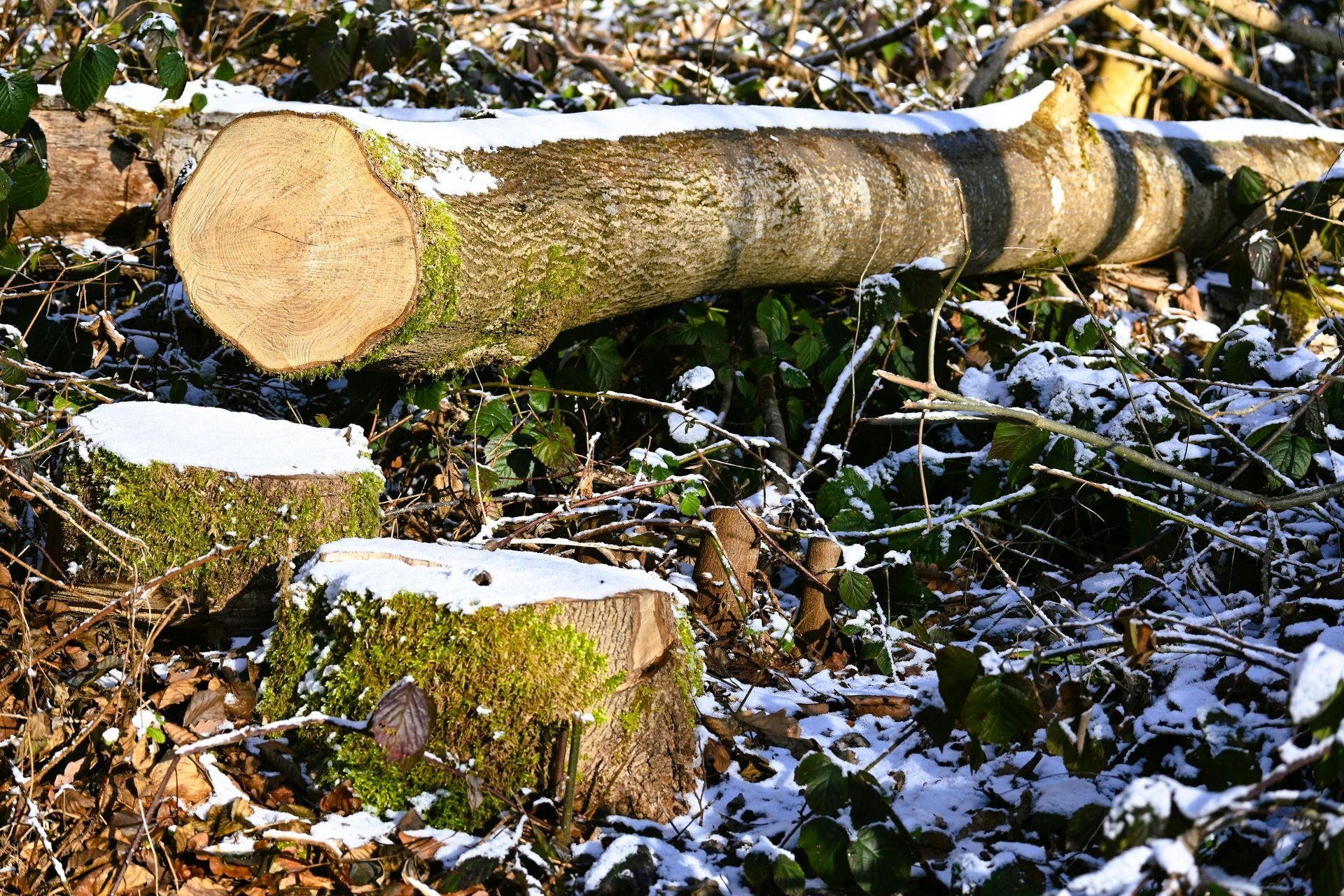
Winter: Often the Best Time for Tree Removal
Why Winter Is Ideal in Many Cases
Winter is widely considered the
best time of year for non-emergency tree removal in the Northeast.
Key advantages include:
1. Trees Are Dormant
During winter, deciduous trees are dormant, meaning:
- No active growth
- Reduced sap flow
- Less stress on surrounding plants
This makes removal less disruptive to the landscape.
2. No Leaves Improve Visibility
Without foliage, tree structure is easier to assess. Crews can clearly see:
- Deadwood
- Weak branch unions
- Structural defects
This improves safety and precision.
3. Lower Impact on Lawns
Frozen or firm ground reduces soil compaction and lawn damage from equipment.
4. Faster Scheduling and Potential Cost Savings
Winter is often a slower season for tree services, which may mean:
- More flexible scheduling
- Faster turnaround
- Potentially lower pricing
Winter Challenges to Consider
- Snow and ice can delay work
- Extreme cold may limit certain operations
- Access issues during storms
Despite these factors, winter remains the preferred season for planned removals.
Spring: Good Timing With Some Caveats
Spring is a popular season for homeowners to address outdoor projects, including tree removal.
Benefits of Spring Removal
- Easy identification of dead trees that failed to leaf out
- Preparation for landscaping and lawn projects
- Moderate temperatures
Spring is also a good time to remove trees before full canopy development increases wind resistance.
Potential Downsides
- Saturated soil from snowmelt and rain can reduce stability
- Equipment may cause lawn damage in soft ground
- Increased demand can lead to longer wait times
Early spring is generally better than late spring, before full leaf-out.
Summer: Acceptable but Not Always Ideal
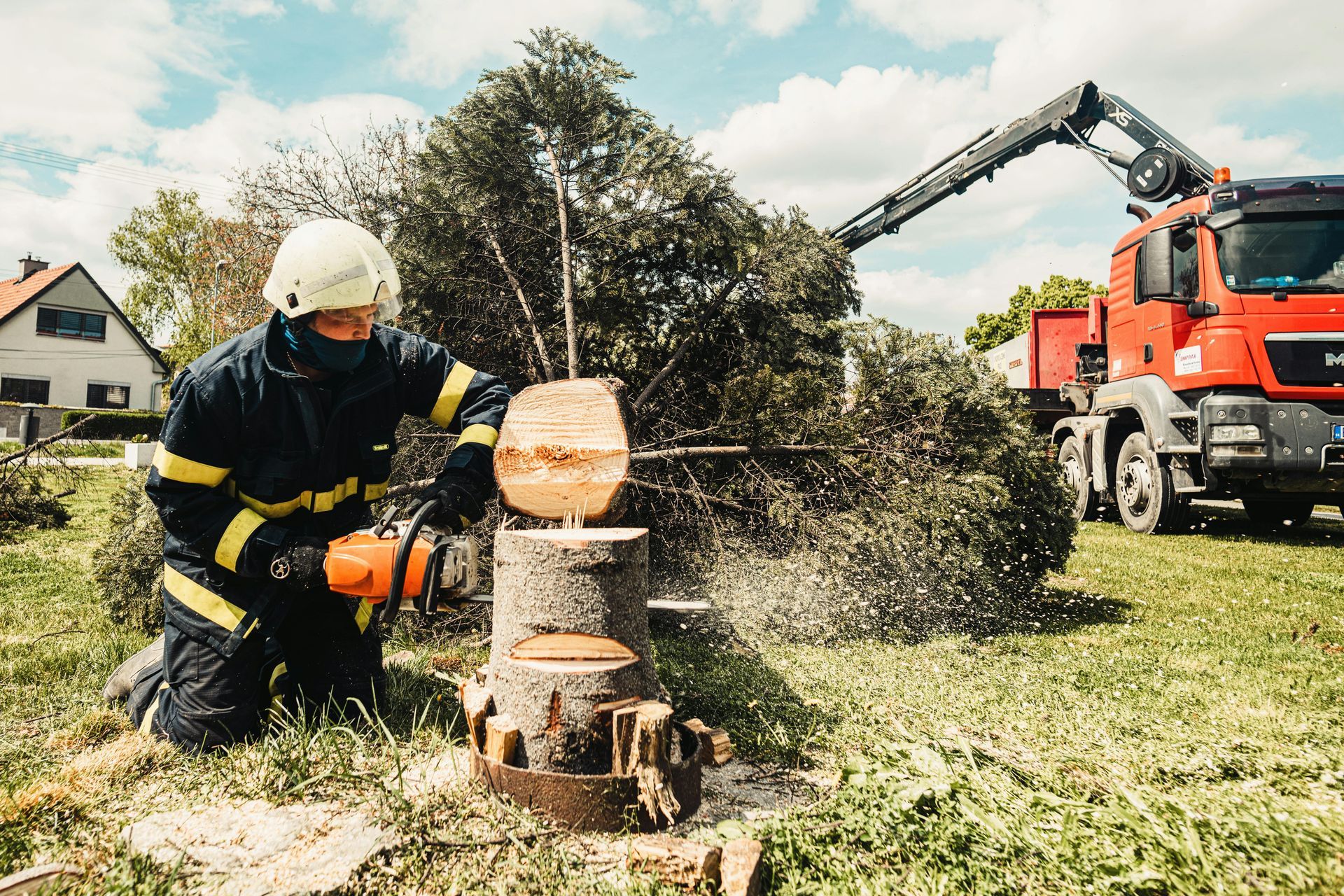
Tree removal can absolutely be done during summer, especially when safety issues arise.
When Summer Removal Makes Sense
- Storm-damaged or hazardous trees
- Trees interfering with construction or repairs
- Emergency situations
Professional crews take extra care to protect surrounding plants during summer removal.
Challenges of Summer Removal
- Heat increases physical stress on crews
- Fully leafed trees are heavier and more wind-resistant
- Landscaping damage is more likely
- Higher demand may increase costs
Summer is often best reserved for necessary or urgent removals rather than optional ones.
Fall: A Popular and Practical Choice
Fall is another excellent season for tree removal in PA, NJ, and DE.
Why Fall Works Well
- Cooler temperatures improve working conditions
- Trees begin entering dormancy
- Lawns are less stressed than in summer
- Preparation for winter storms
Removing weak or dead trees in fall can reduce the risk of winter storm damage.
Fall Considerations
- Increased demand due to storm season
- Wet leaves can make ground conditions slippery
- Early snowstorms may cause delays
Scheduling earlier in fall often provides the best results.
Emergency Tree Removal: Timing Doesn’t Matter
While seasonal timing is helpful for planning,
emergency tree removal happens whenever it’s needed.
Emergency situations include:
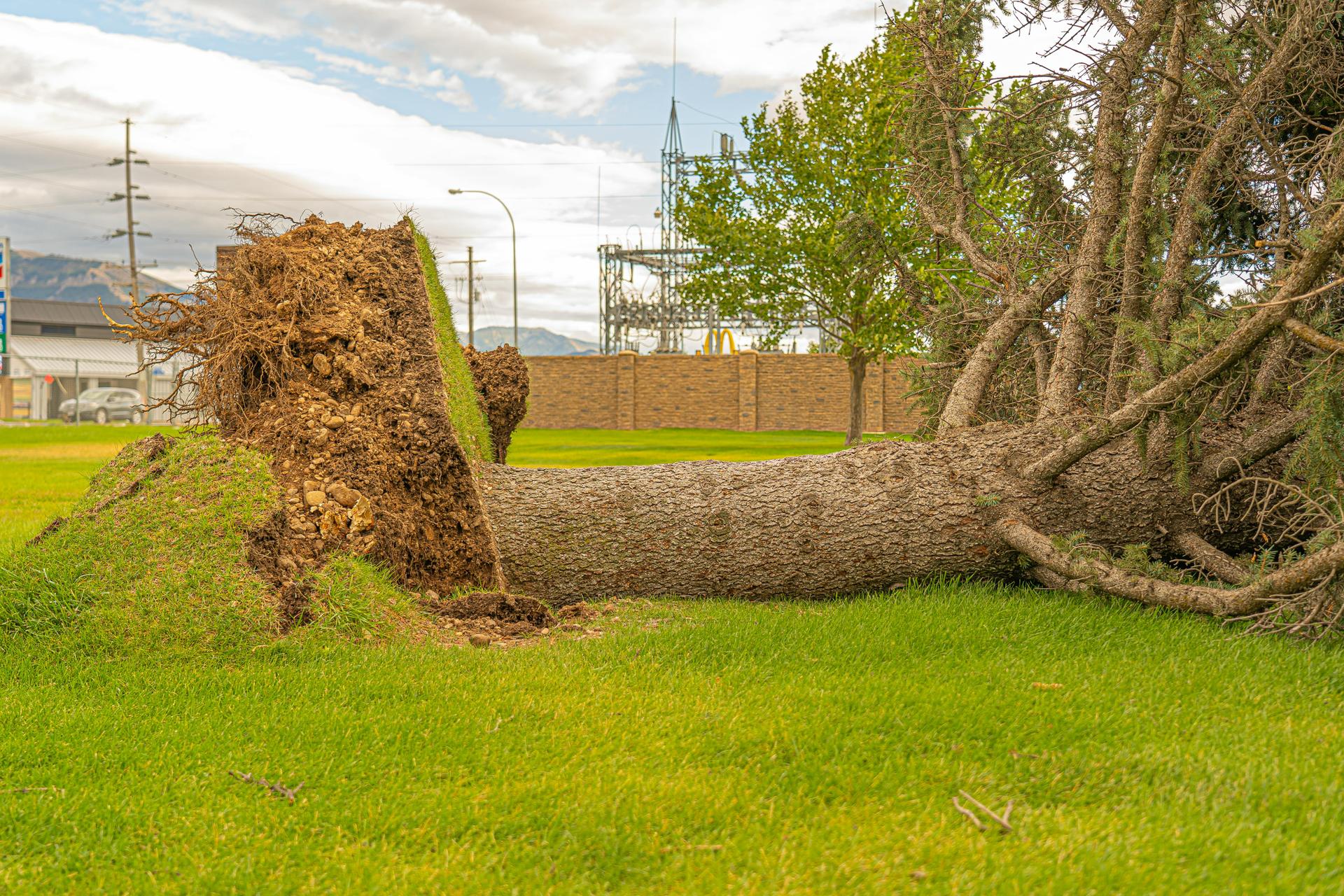
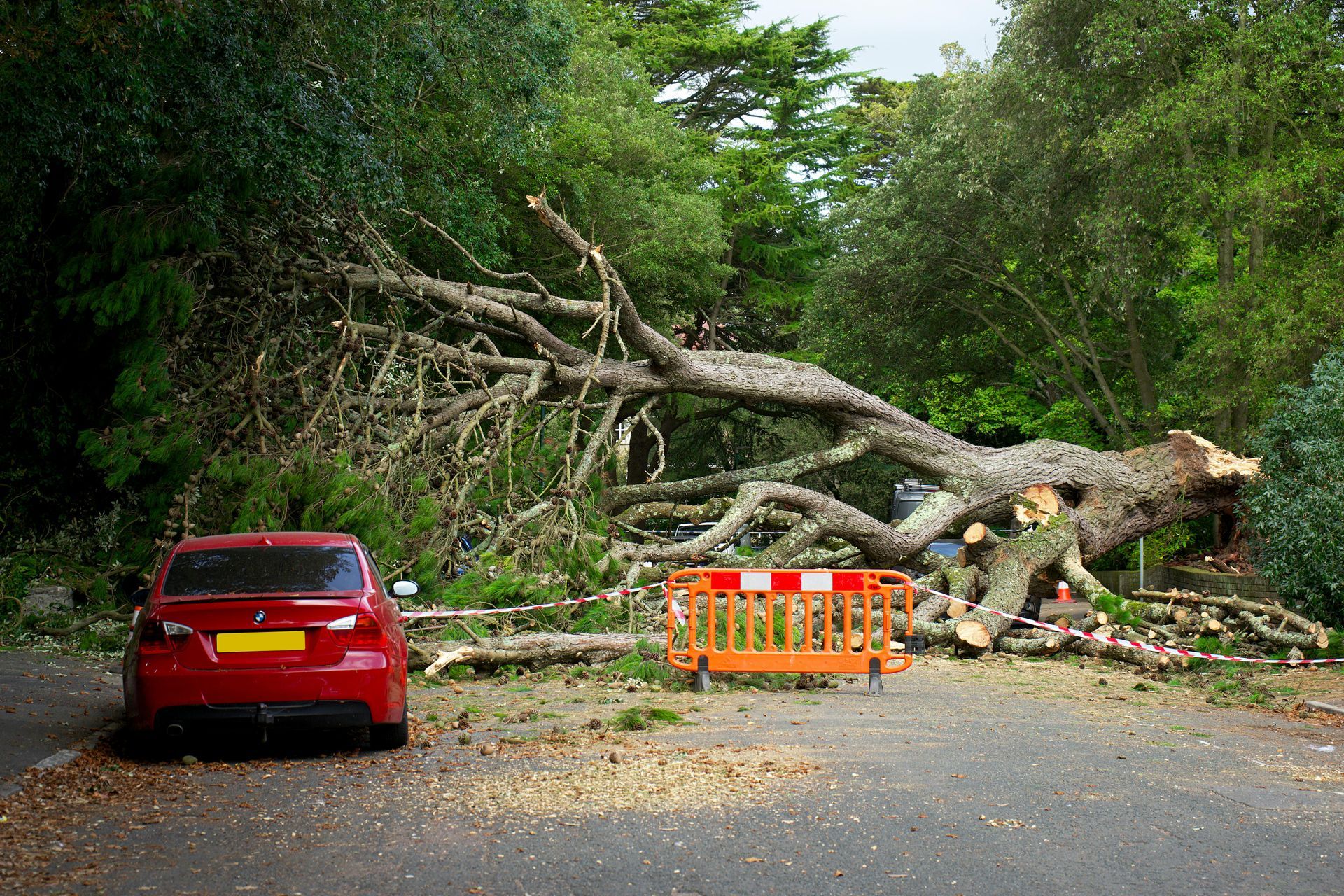
- Trees fallen on homes or vehicles
- Trees blocking access or roads
- Trees leaning dangerously
- Limbs hanging over structures
- Trees contacting power lines
In these cases, safety takes priority over season or weather. Professional crews respond as soon as conditions allow.
Tree Health and Timing
The condition of the tree often matters more than the season.
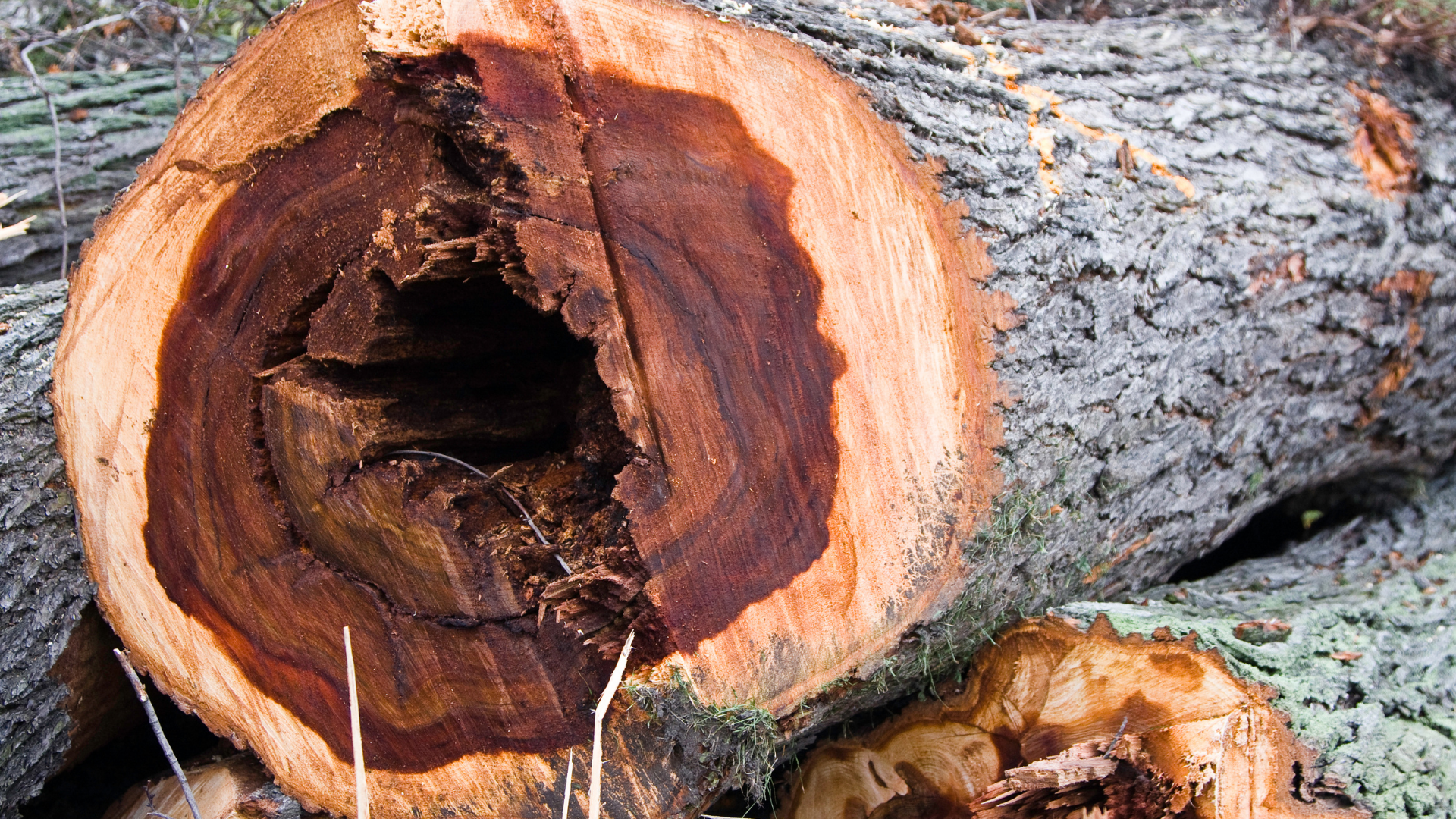
Dead or Dying Trees
- Should be removed as soon as possible
- More likely to fail during storms
- Often more dangerous to remove later
Storm-Damaged Trees
- May require immediate attention
- Can worsen over time if left standing
Waiting for the “best season” is not advisable when a tree poses a safety risk.
How Timing Affects Cost
Seasonal timing can influence pricing in several ways:
- Winter and early spring: Often lower demand
- Summer and fall: Higher demand may increase costs
- Emergency removals: Higher cost regardless of season
Planning removal during off-peak seasons can help manage budget—but only when safety allows.
Permits and Seasonal Considerations
Some municipalities process tree removal permits faster during off-peak seasons. In high-demand months, approvals may take longer.
Seasonal wildlife considerations may also apply:
- Nesting birds in spring and early summer
- Protected habitats in certain zones
Professional tree services are familiar with these considerations and help ensure compliance.
Best Time by Tree Type
Deciduous Trees
- Best removed in winter or early spring
Evergreen Trees
- Can be removed year-round
- Winter removal reduces sap flow and stress
Large or Hazardous Trees
- Best removed when ground conditions are stable
- Winter or dry fall conditions often preferred
Planning Ahead vs Waiting Too Long
One of the biggest mistakes homeowners make is delaying removal of a known problem tree. Waiting for the “perfect time” can result in:
- Emergency removal
- Higher costs
- Greater property damage
- Increased safety risks
If a tree is compromised, removal should be scheduled as soon as conditions safely allow.
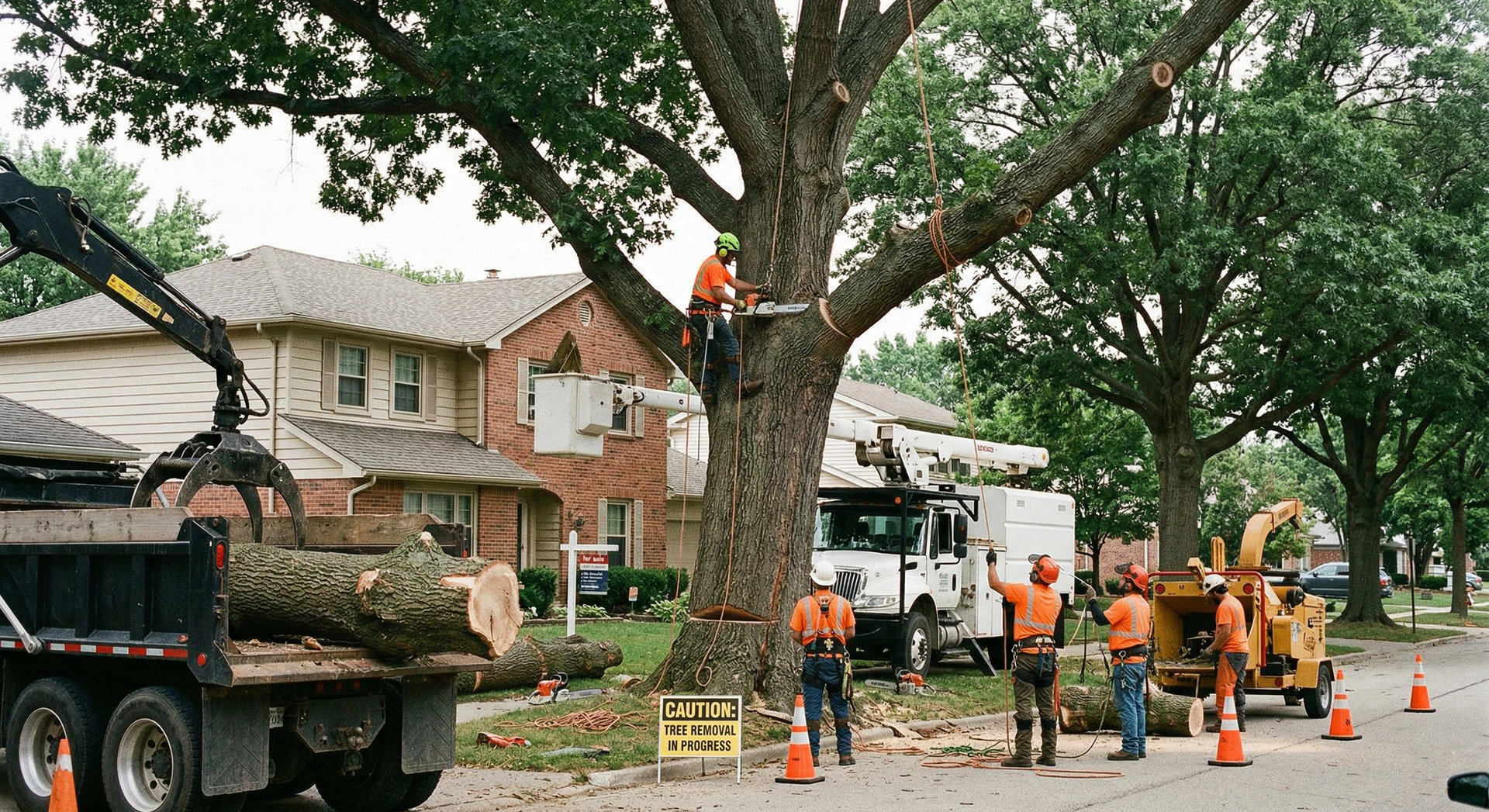
Professional Assessment Helps Determine Timing
A professional evaluation considers:
- Tree health and stability
- Proximity to structures
- Soil conditions
- Seasonal risks
- Permit requirements
This allows homeowners to choose the safest and most cost-effective timing.
Tree State Property Maintenance provides expert assessments throughout Pennsylvania, New Jersey, and Delaware to help homeowners plan tree removal responsibly.
Frequently Asked Questions
Is winter tree removal safe?
Yes. Professional crews are trained to work safely in winter conditions.
Will removing a tree in winter damage my lawn less?
Often yes, due to frozen or firm ground.
Can I wait until spring to remove a dead tree?
Waiting increases risk. Dead trees should be removed promptly.
Is tree removal cheaper in winter?
It can be, due to lower demand, but pricing depends on many factors.
Choosing the Right Time Protects Your Property
While tree removal can be done any time of year, choosing the right season can improve safety, reduce cost, and minimize landscape disruption. Winter and early spring are often ideal for planned removals, while fall is excellent for storm preparation.
Most importantly, hazardous trees should never be delayed based on season alone.
Tree State Property Maintenance helps homeowners across PA, NJ, and DE determine the safest, most practical timing for tree removal—whether planned or urgent.