Many homeowners view tree trimming as a cosmetic or optional landscaping task. In reality, regular tree trimming is one of the most effective ways to
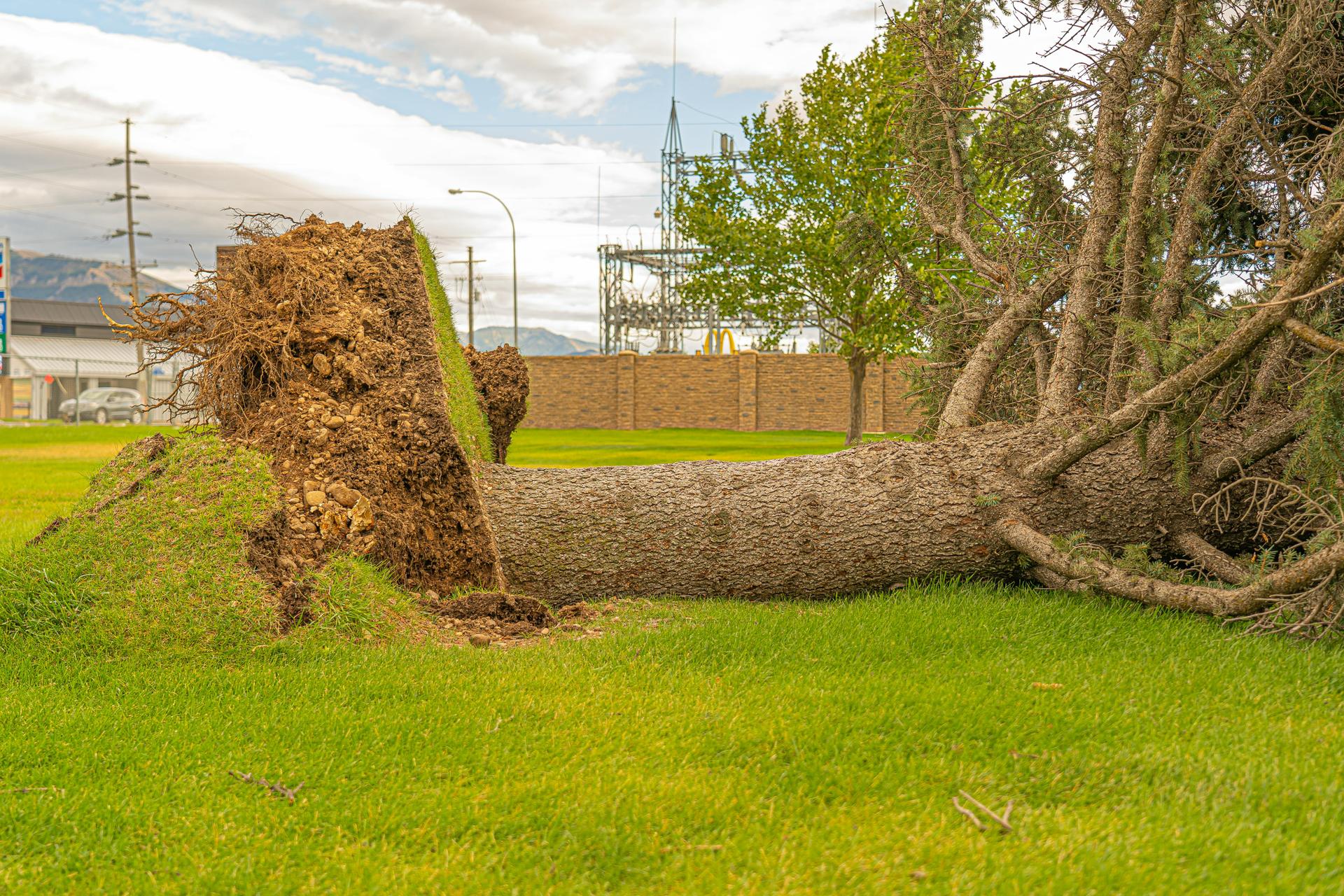
prevent expensive property damage and reduce the risk of emergency tree removal. In Pennsylvania, New Jersey, and Delaware—where storms, high winds, heavy snow, and mature trees are common—unmaintained trees are a leading cause of roof damage, vehicle damage, power outages, and insurance claims.
Tree trimming is not about cutting trees back aggressively. It’s about
strategic, professional pruning that improves structural strength, removes hazards, and helps trees withstand environmental stress. This guide explains how trimming protects your home, why neglected trees fail, and how routine maintenance can save thousands of dollars over time.
How Trees Cause Property Damage When Not Trimmed
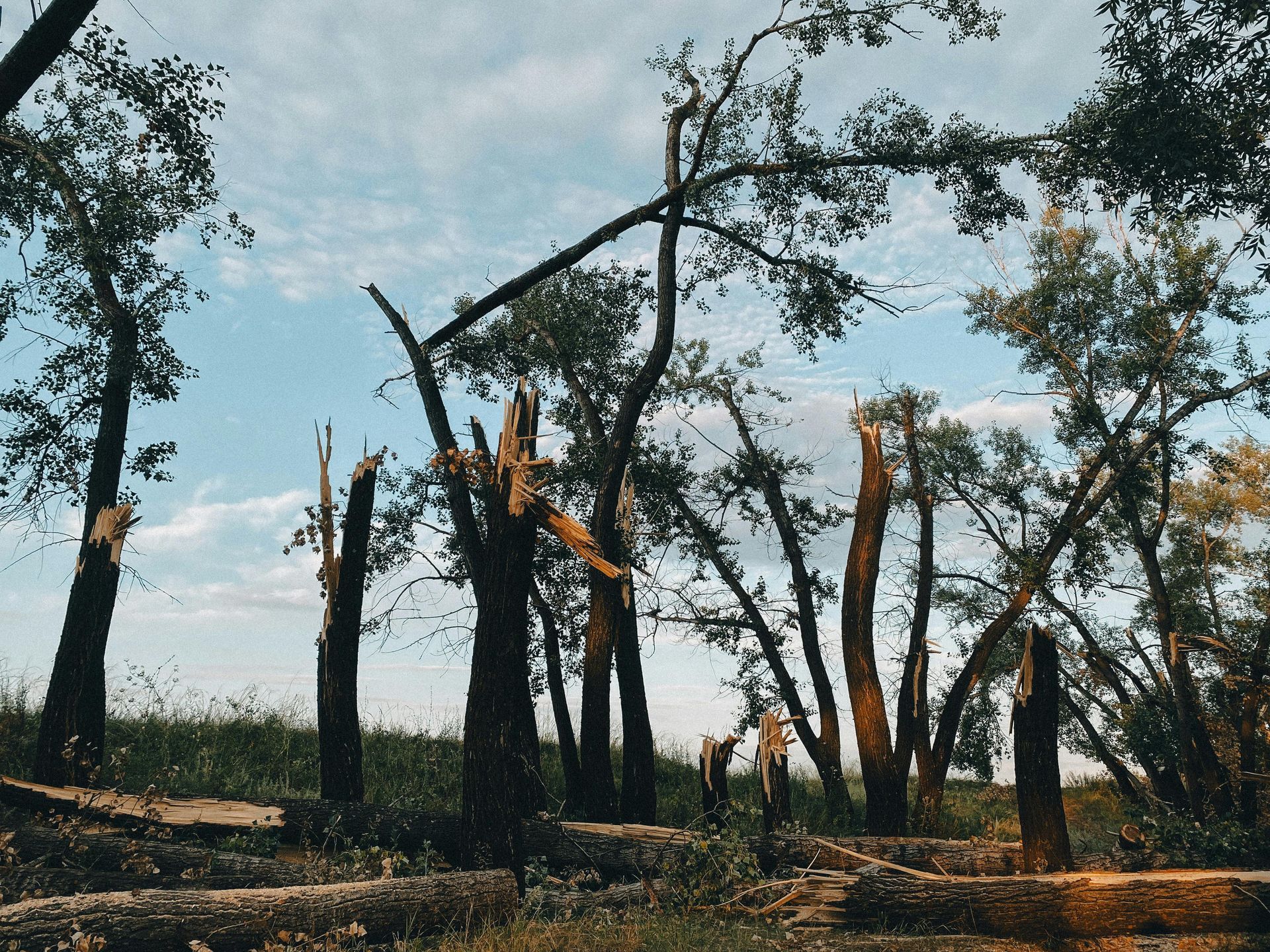
Trees don’t usually cause damage overnight. Problems develop gradually as branches grow heavier, canopies become unbalanced, and deadwood accumulates. Without trimming, even healthy trees can become dangerous.
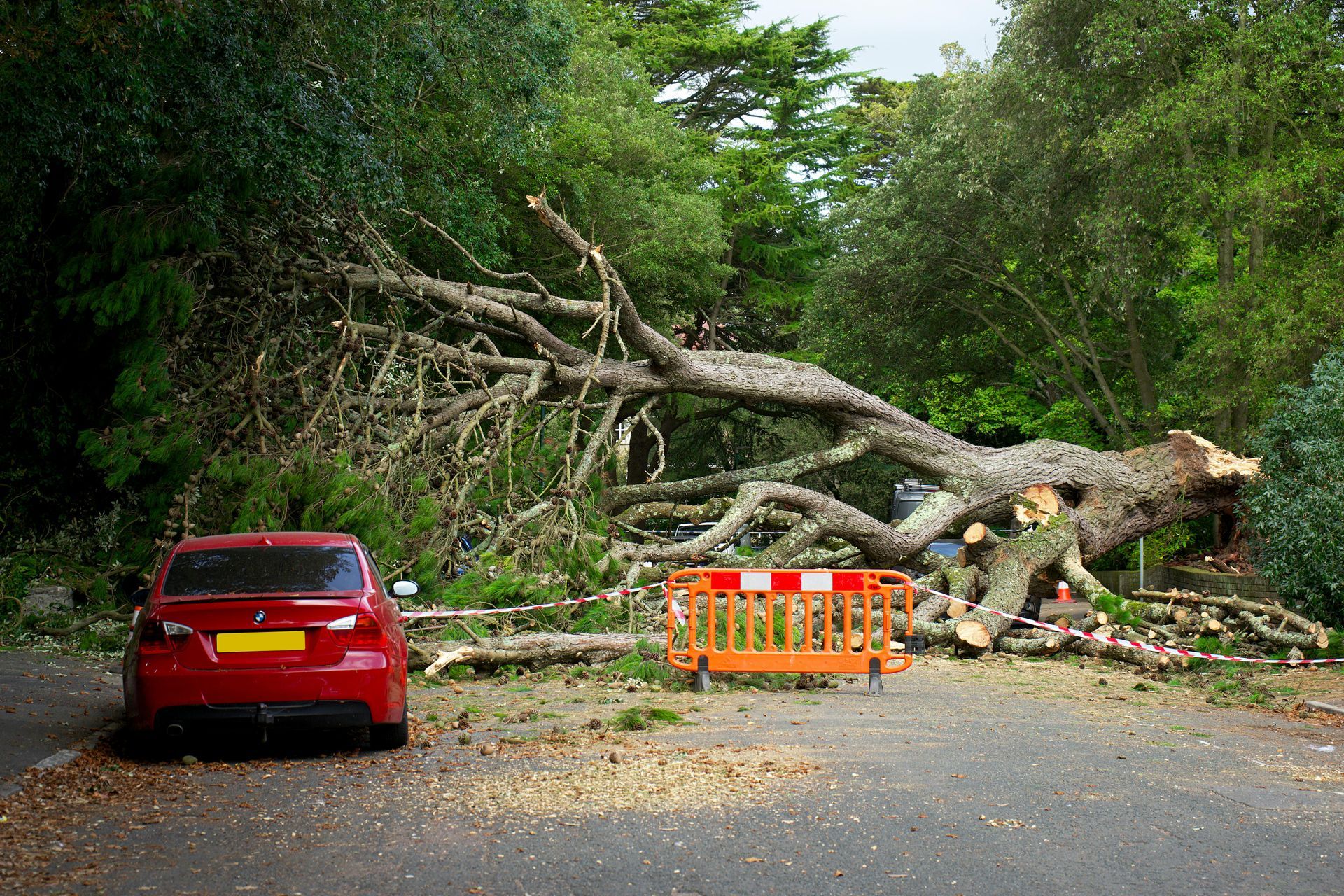
Common types of tree-related property damage include:
- Roof and gutter damage
- Broken windows and siding
- Crushed vehicles
- Fence and deck destruction
- Downed power lines
- Blocked driveways and roads
In many cases, these issues could have been prevented with timely trimming.
The Hidden Weight of Overgrown Branches
As trees grow, their branches become heavier and longer. When limbs extend outward without support, they place increasing stress on the tree’s structure.
Why Weight Matters
- Heavy limbs act like levers during wind
- Snow and ice add significant load
- Overextended branches are more likely to snap
A single large limb can weigh hundreds of pounds. When that limb breaks, it often falls onto whatever is beneath it—homes, vehicles, fences, or people.
Strategic trimming reduces this load and redistributes weight more evenly throughout the canopy.
Tree Trimming and Roof Protection
One of the most common and costly problems caused by untrimmed trees is roof damage.
How Trees Damage Roofs
- Branches rub against shingles during wind
- Limbs scrape flashing and vents
- Falling branches puncture roofing materials
- Leaves clog gutters, leading to water backup
Even light, repeated contact can wear down roofing materials over time, leading to leaks and premature roof failure.
Keeping branches trimmed away from roofs and gutters significantly reduces maintenance costs and extends roof lifespan.
Preventing Storm Damage Through Trimming
Storms are a major threat in the Northeast. High winds, heavy rain, snow, and ice all interact with trees differently—but trimming helps in every scenario.
Wind Resistance
A dense, overgrown canopy catches wind like a sail. Trimming:
- Reduces wind resistance
- Allows air to pass through the canopy
- Decreases the chance of uprooting or limb failure
Snow and Ice Accumulation
Snow and ice collect more easily on dense branches. Proper trimming:
- Reduces surface area
- Prevents excessive weight buildup
- Minimizes splitting and breakage
Many storm-related tree failures occur because trees were never properly pruned.
Removing Deadwood Before It Falls
Dead branches are one of the most dangerous parts of any tree. Unlike living wood, deadwood:
- Becomes brittle
- Fails without warning
- Breaks even during calm conditions
Deadwood often falls during:
- Mild wind
- Rain
- Temperature changes
- Freeze-thaw cycles
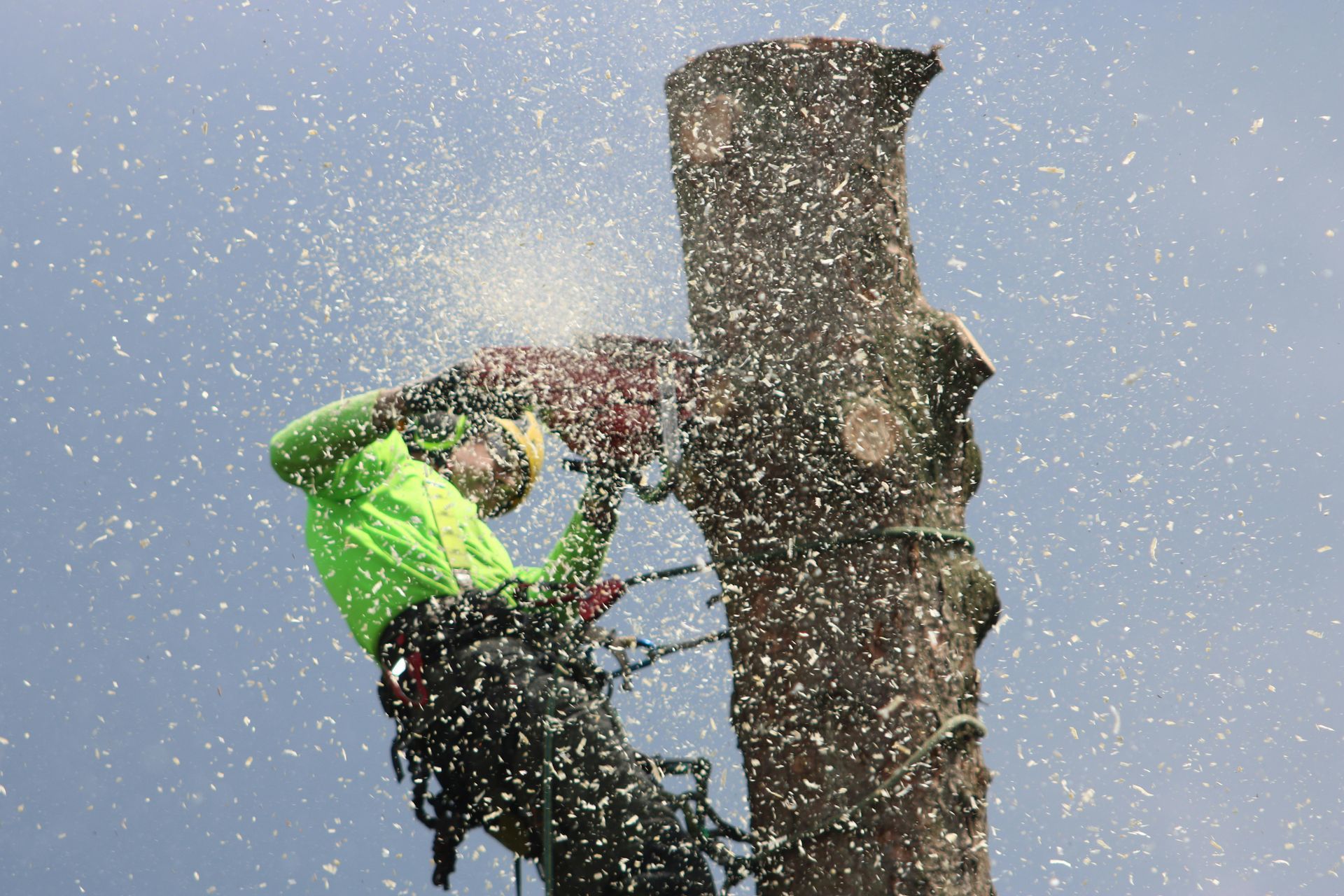
Removing dead limbs proactively prevents sudden damage and reduces liability risk.
Tree Trimming and Power Line Safety
Trees growing near power lines pose serious safety risks. Untrimmed branches can:
- Cause power outages
- Create fire hazards
- Lead to electrocution risks
- Trigger emergency utility shutdowns
While utility companies manage main power lines, homeowners are typically responsible for trees on their property. Professional trimming ensures safe clearance without putting people at risk.
Protecting Driveways, Walkways, and Vehicles
Low-hanging or overgrown branches often extend over driveways and walkways. These branches can:
- Scratch vehicles
- Break mirrors or windshields
- Injure pedestrians
- Block visibility
Trimming improves access, safety, and visibility—especially important during winter when snow and ice reduce reaction time.
How Trimming Improves Tree Structure and Longevity
Proper trimming doesn’t just protect property—it also improves tree health.
Structural Benefits
- Encourages strong branch unions
- Reduces weak, crossing limbs
- Promotes balanced growth
Trees with good structure are far less likely to fail during storms.
Health Benefits
- Improves air circulation
- Reduces disease risk
- Allows sunlight to reach inner branches
Healthier trees are safer trees.
The Cost of Neglect vs the Cost of Trimming
Some homeowners delay trimming to save money, but this often leads to higher costs later.
Costs of Neglect
- Emergency tree removal
- Roof or siding repairs
- Insurance deductibles
- Vehicle damage
- Fence replacement
Cost of Routine Trimming
- Predictable
- Significantly lower
- Prevents emergencies
In most cases, routine trimming costs far less than repairing damage from a fallen limb.
How Often Should Trees Be Trimmed?
While needs vary by species and location, general guidelines include:
- Young trees: every 1–2 years
- Mature trees: every 3–5 years
- Trees near structures: more frequent inspection
Trees exposed to frequent storms or heavy traffic areas may require more regular maintenance.
Why Professional Trimming Matters
Improper trimming can actually increase risk. Common DIY mistakes include:
- Topping trees
- Removing too much canopy at once
- Cutting at incorrect angles
- Ignoring weight distribution
Poor pruning creates weak regrowth, increases decay, and destabilizes trees.
Professional tree trimming focuses on:
- Safety
- Structural integrity
- Long-term health
Seasonal Benefits of Tree Trimming
Winter and Early Spring
- Best visibility of structure
- Less stress on trees
- Reduced disease spread
Summer
- Removal of dead or hazardous limbs
- Clearance for structures and access
Fall
- Storm preparation
- Reducing snow and ice load
Professional services tailor trimming schedules to seasonal conditions.
Trimming vs Removal: Knowing the Difference
Not every problematic tree needs to be removed. In many cases, trimming can:
- Eliminate hazards
- Extend tree lifespan
- Improve safety
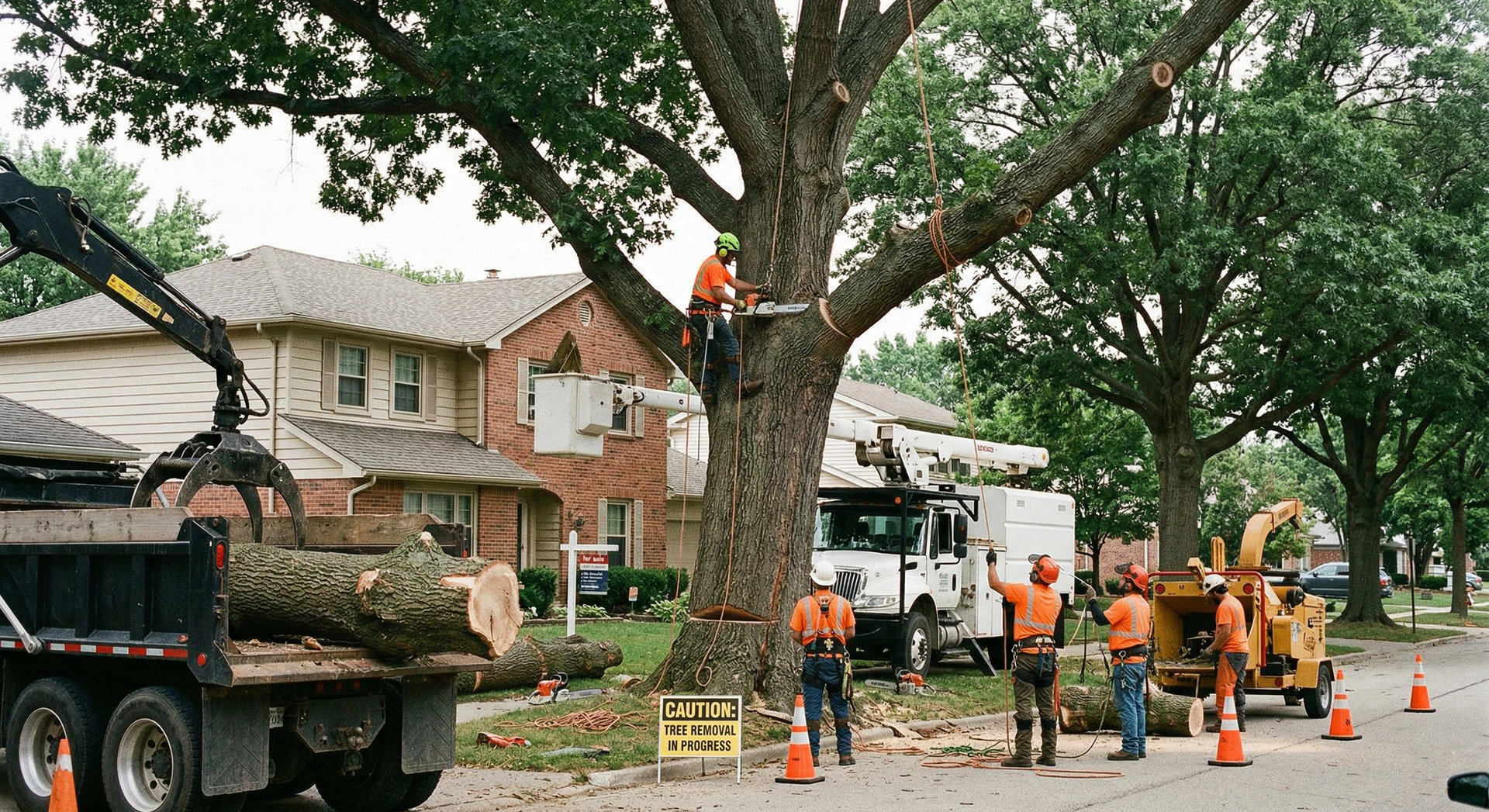
A professional assessment determines whether trimming is sufficient or removal is the safer option.
Insurance and Liability Considerations
Homeowners can be held liable if a poorly maintained tree damages neighboring property or injures someone. Regular trimming demonstrates responsible maintenance and can reduce liability exposure.
Insurance claims involving neglected trees may be disputed, especially if warning signs were present.
Signs Your Trees Need Trimming Now
You should consider professional trimming if:
- Branches touch or hang over your roof
- Dead limbs are visible
- Trees interfere with power lines
- Branches block walkways or driveways
- Trees sway excessively in wind
Early action prevents emergencies.
Professional Tree Trimming in the Tri-State Area
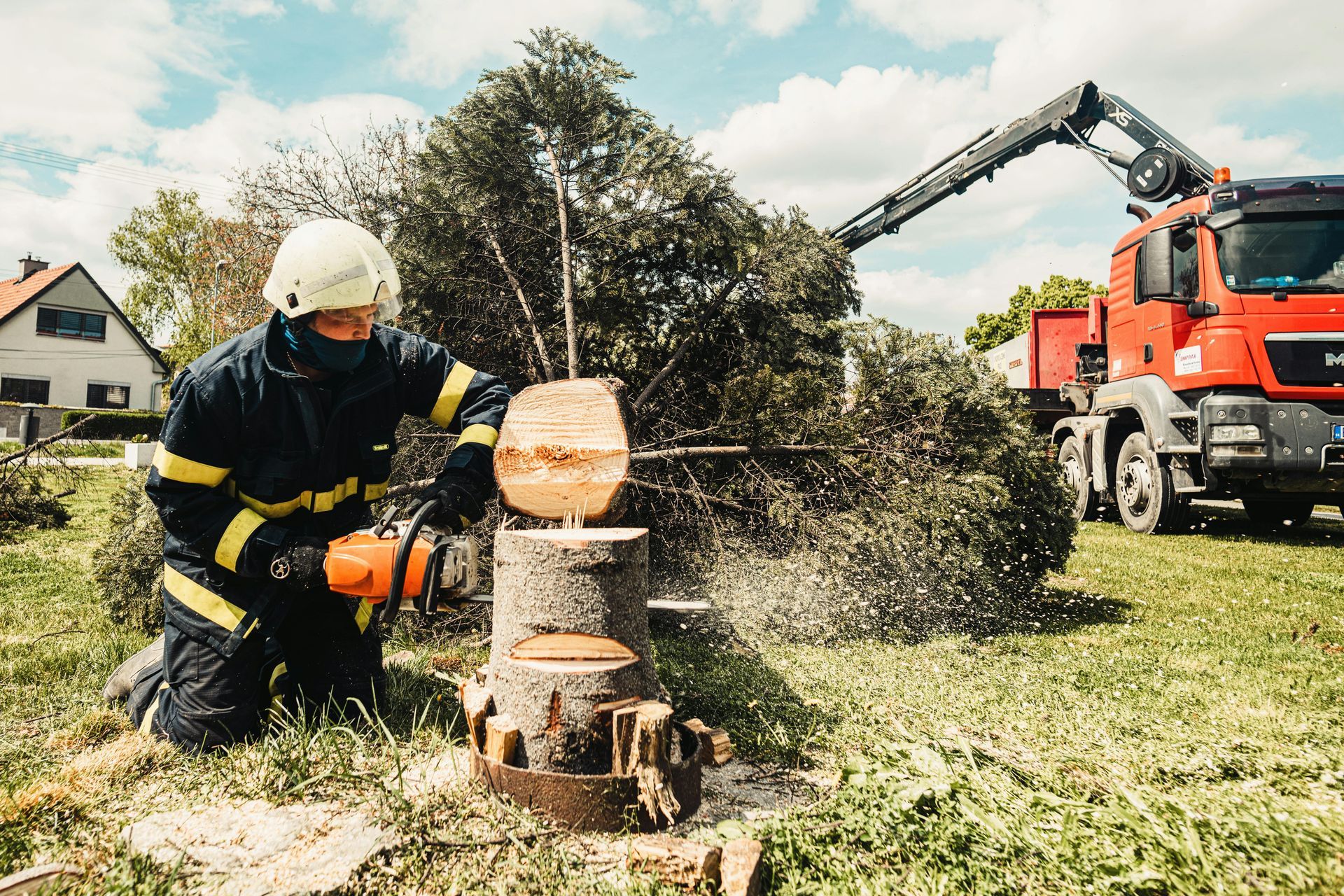
Tree State Property Maintenance provides professional tree trimming services throughout Pennsylvania, New Jersey, and Delaware. Our team evaluates each tree individually to determine the safest and most effective trimming approach.
From storm prevention to routine maintenance, proper trimming protects your property, your investment, and your peace of mind.
Frequently Asked Questions
Can trimming prevent a tree from falling?
Trimming reduces risk but cannot eliminate all hazards. Structural issues may still require removal.
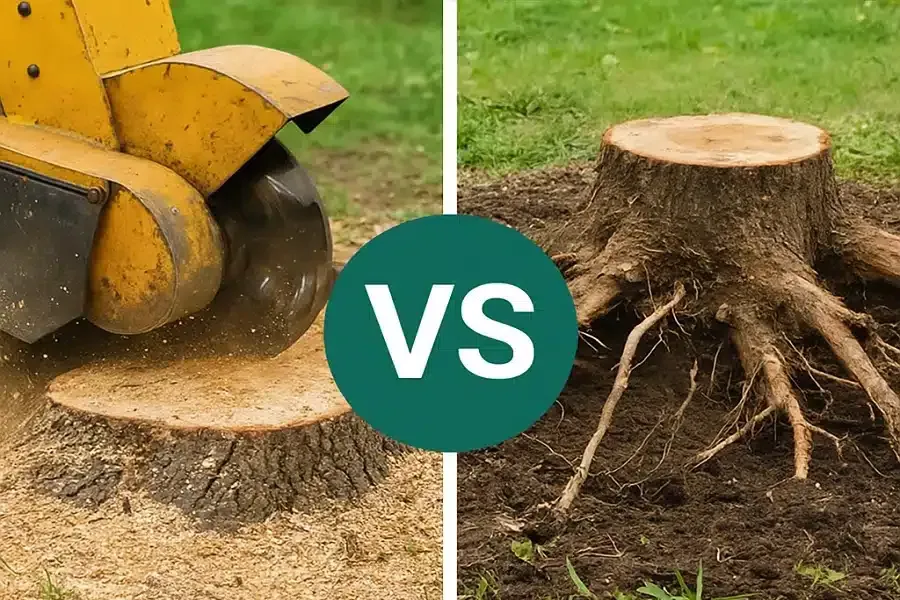
Is trimming cheaper than removal?
Yes. Trimming is significantly less expensive than removing a mature tree.
Can trimming be done year-round?
Yes, though timing depends on tree species and goals.